
Last updated November 22, 2026
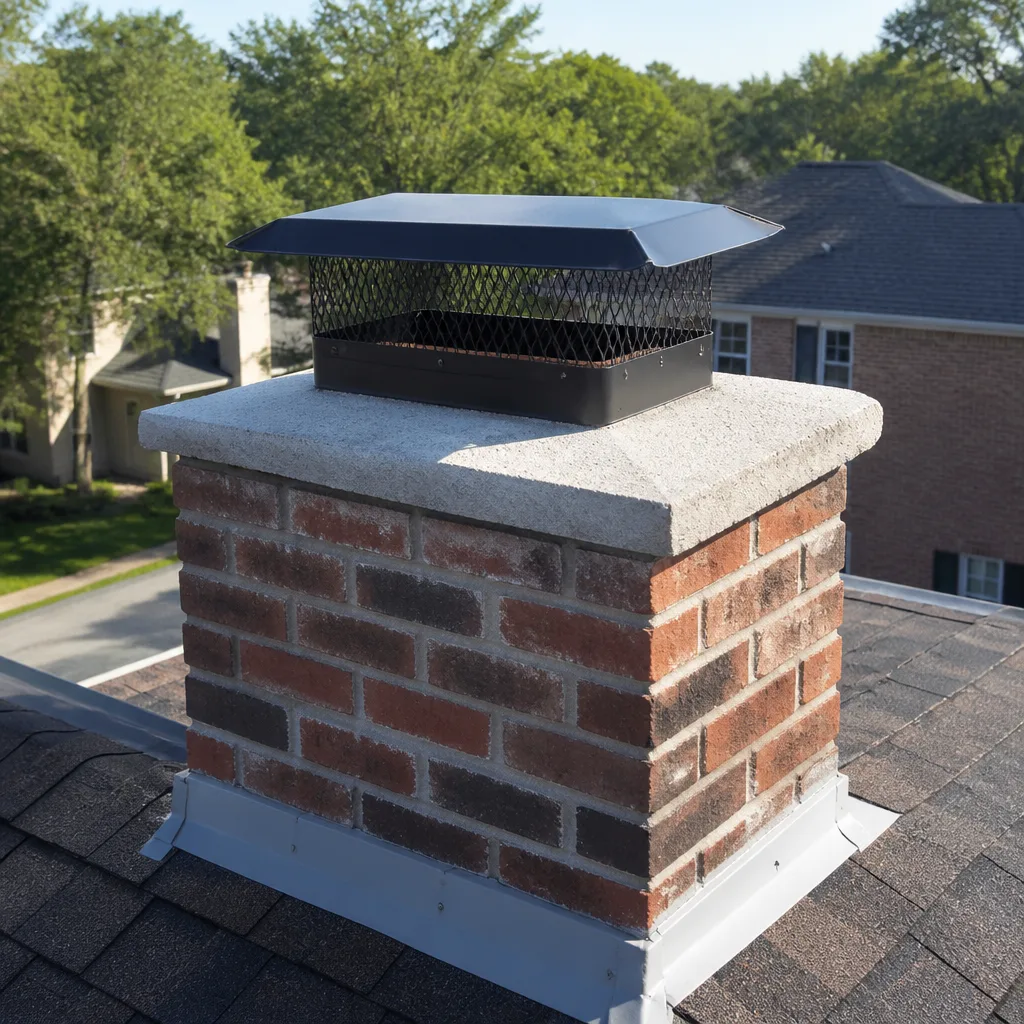 Sweep & inspection
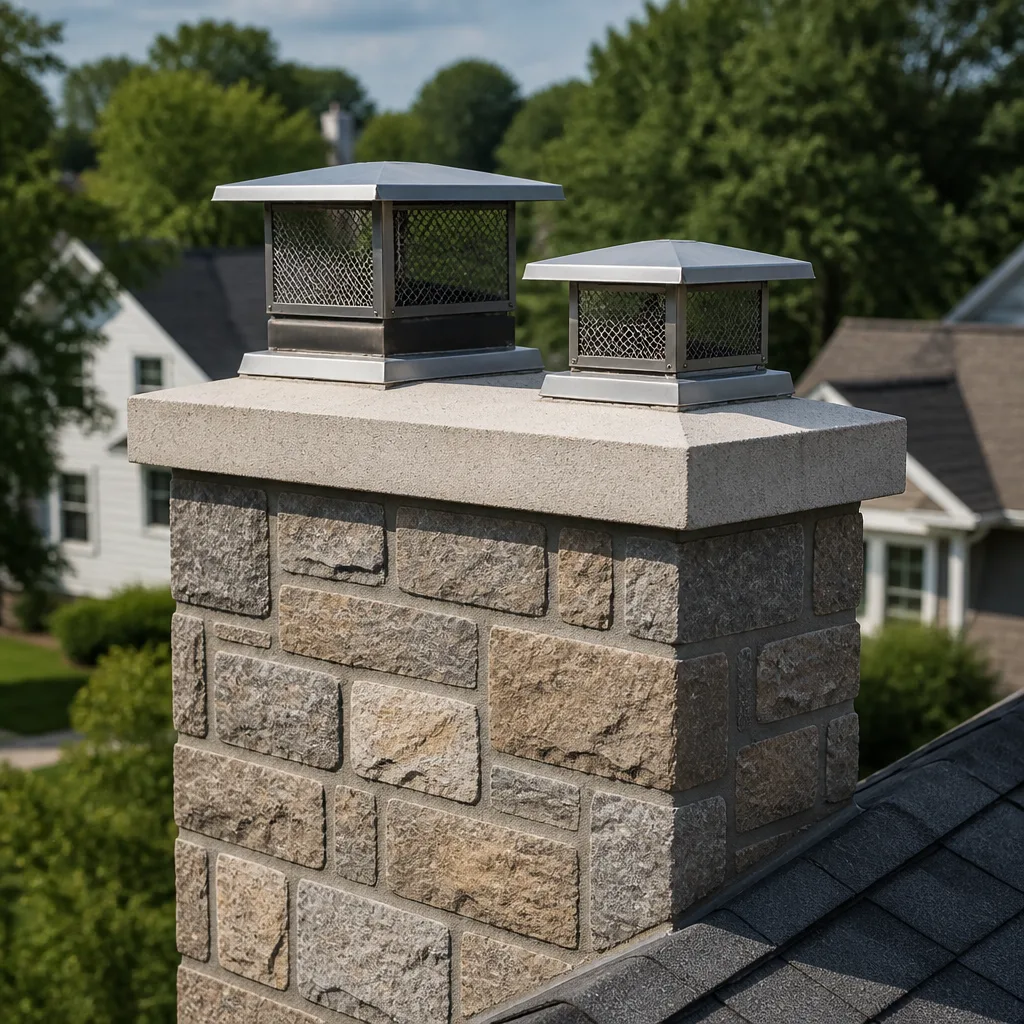 Caps & crowns
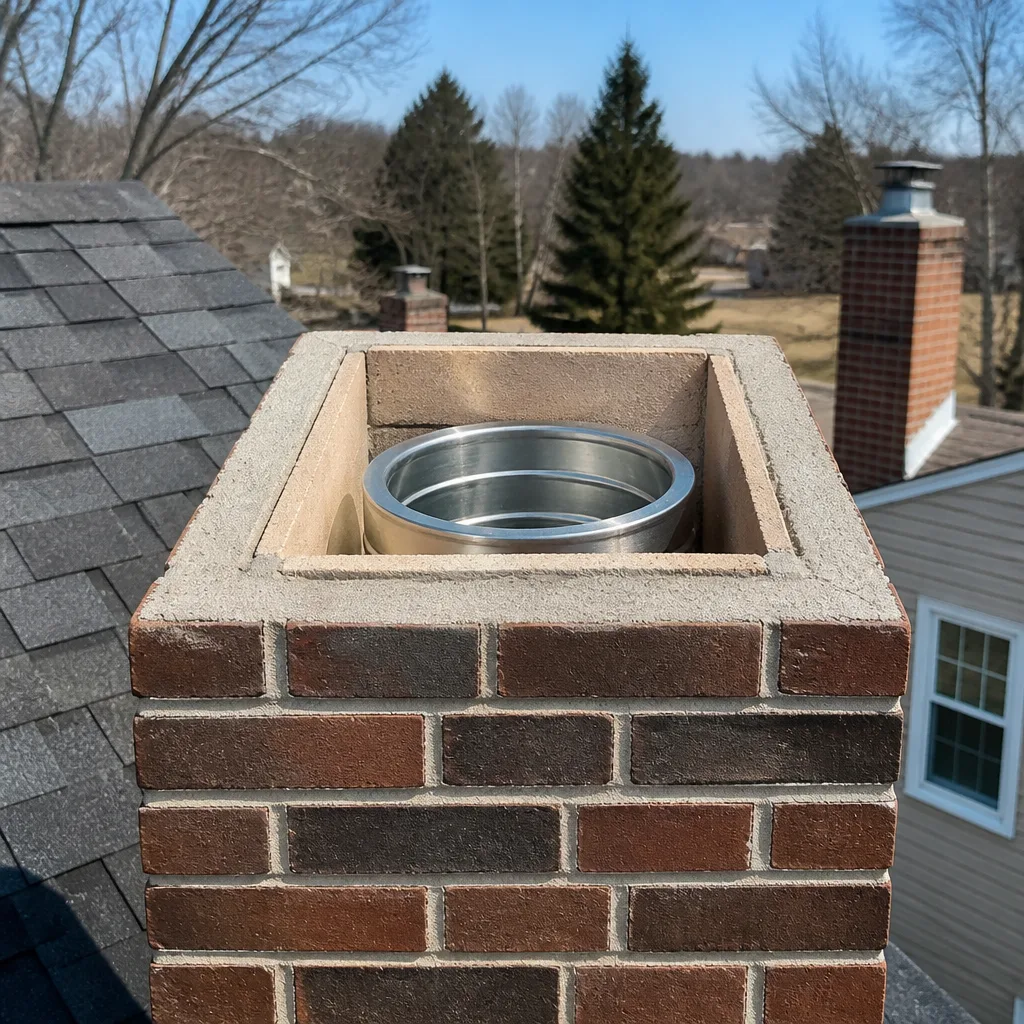 Flue relining
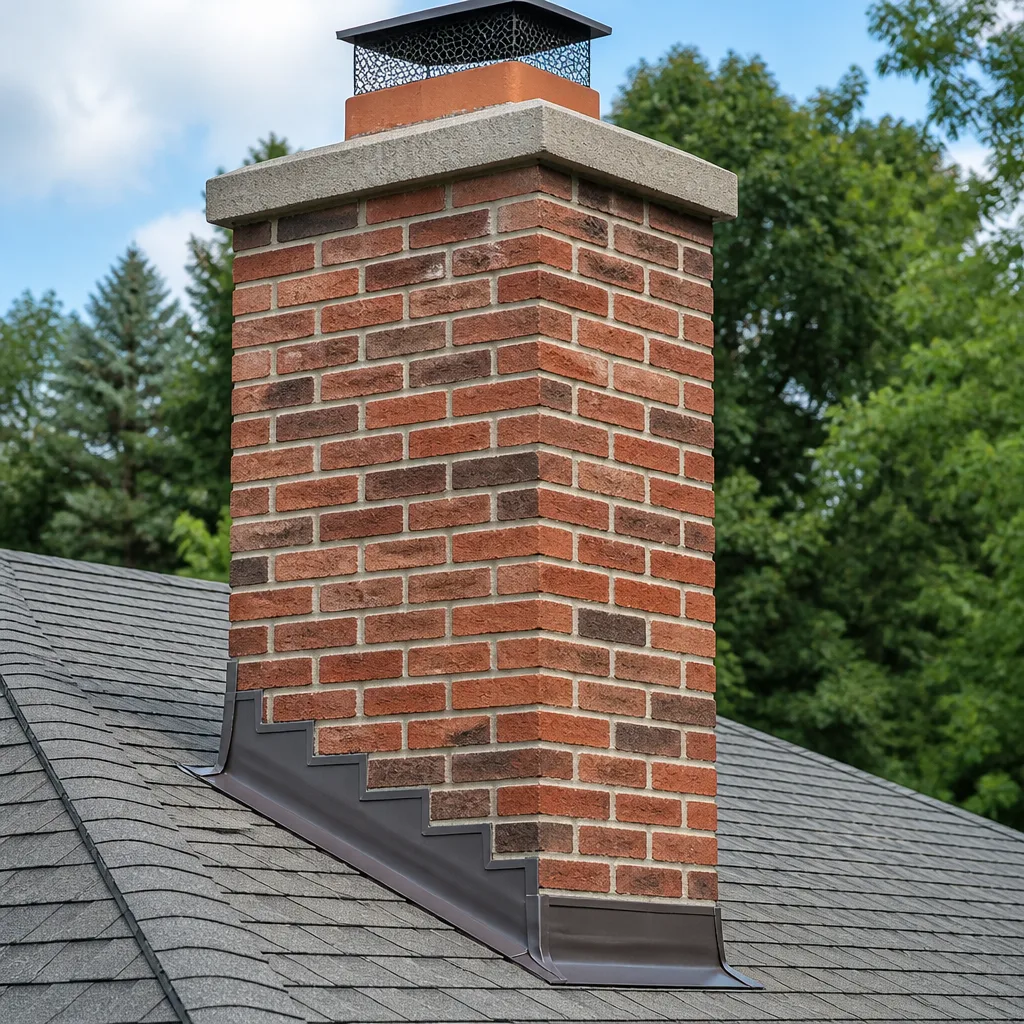 Masonry repair
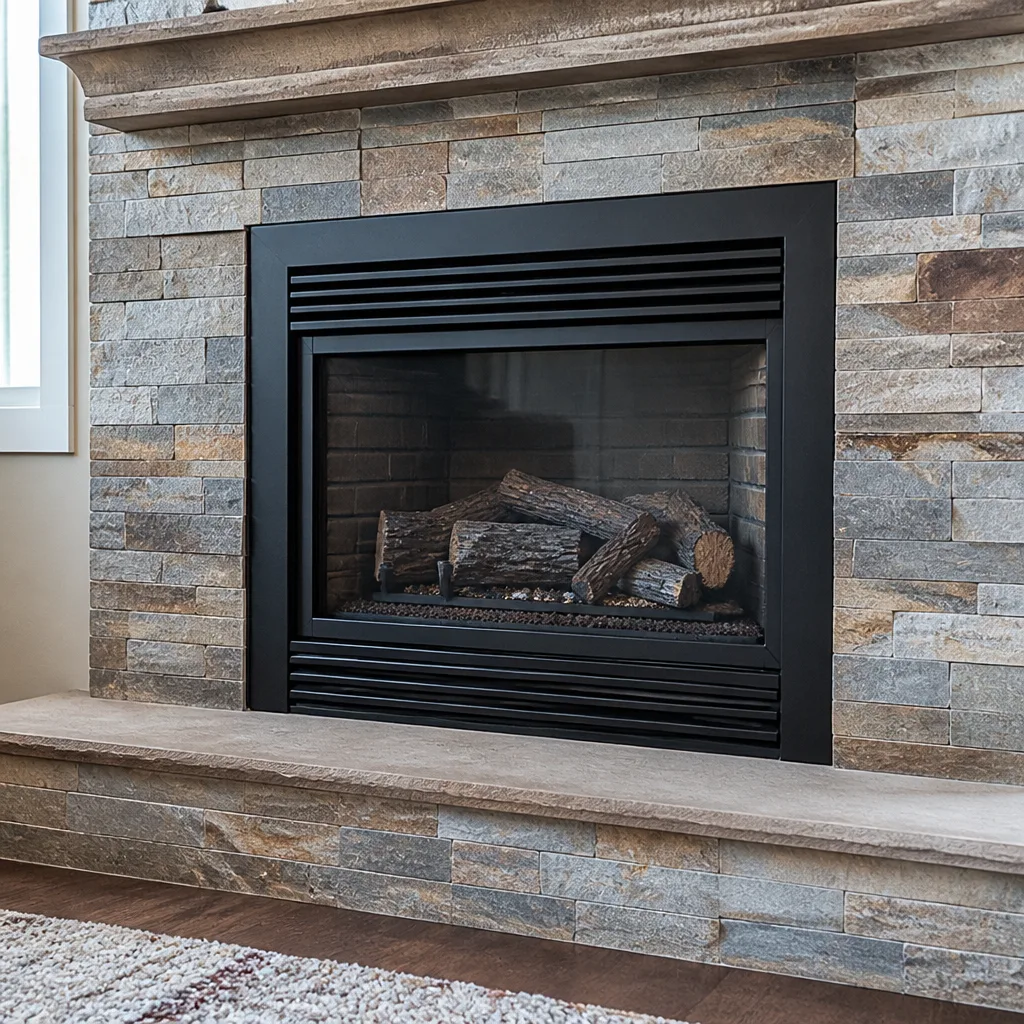 Gas fireplace service
Level 1 sweep and inspection to the NFPA 211 annual standard - flue, crown, cap, and flashing checked and photographed
Chimney sweep logs do not sweep chimneys. They loosen some creosote - which then falls where a brush and vacuum still have to collect it.
Choosing the Right Chimney Cleaning Brand: A Buyer’s Guide for Encino
When a contractor reseals your chimney crown, two products can look identical in the bucket and perform nothing alike five years later: a thin hardware-store patching compound that cracks after a couple of seasons, and a professional elastomeric crown coating built to flex with the masonry through heat and cool. You would have no way to tell which one landed on your roof unless you asked by name. That’s the whole idea behind this guide. In Encino, where fireplaces run through the mild but long burning season, the brands behind the work tell you more about a contractor than any brochure. We’ll cover the product categories that matter, the liner systems worth knowing, and the exact questions that separate a professional chimney service from a truck with brushes.
Quick Answer
The right chimney cleaning and repair brand is one whose name you can verify on the materials that go into your chimney: professional crown coatings, water repellents, flue sealants, and stainless-steel liner systems rather than anonymous bulk parts. For Encino homeowners, that means asking which brands a contractor installs (HeatShield, DuraFlex, Gelco, Olympia Chimney, Famco, Copperfield are the recognized names) and confirming those products fit the specific repair being done. Brand-name materials signal a contractor who follows correct installation procedures too, because professional-grade products come with manufacturer instructions and factory training attached.
Styles & brands we work with
- Sweep & inspection
- Caps & crowns
- Flue relining
- Masonry repair
- Gas fireplace service
Table of Contents
- Why Chimney Brands Matter More Than You Think
- The Product Categories Every Full-Service Chimney Company Should Stock
- Liner Systems: HeatShield Restoration vs. Traditional Tile Replacement
- Chimney Cap Materials and Why They Matter in Encino
- How to Ask a Contractor What Products They Use
- Inspect First, Recommend Second
- Why Brand-Name Materials Signal Broader Professionalism
- Common Mistakes to Avoid
- When to Call a Professional
- Frequently Asked Questions
Why Chimney Brands Matter More Than You Think
A chimney is a system built from a handful of materials that all have to survive heat, moisture, and time. The mortar crown at the top sheds water. The flue liner carries smoke and gases. The cap keeps out rain, birds, and debris. The firebox holds the fire. Each of those components is made from a specific product, and the quality gap between a professional-grade version and a generic substitute is real even when the two look the same on installation day.
A crown coating is a clean example. A generic masonry patch goes on smooth and looks finished. Over a few seasons of sun and occasional rain, the difference shows up: the professional elastomeric coating flexes, the cheap one cracks along the bond line, and water finds the crack. Same story with water repellent. A generic sealer can trap moisture inside the masonry instead of letting it escape, which is worse than no sealer at all in some cases. A vapor-permeable professional product, like a siloxane-based water repellent, lets the brick breathe while it sheds rain.
In Encino, the climate is mild enough that chimneys don’t face the punishing freeze cycles of colder regions, but the combination of dry summers, the occasional heavy winter rain, and regular fireplace use is still hard on masonry. The heat expansion from a working fire, followed by cooler nights, works the mortar joints. Professional-grade materials are formulated to handle that cycle. That’s the practical reason brands matter: they’re a proxy for whether the material was engineered for the job or pulled off a shelf because it was cheap.
There’s a second reason. When you ask a contractor which brands they install and they can name them, you’ve moved past a handshake and into verified information. You can look up the product. You can check that it’s appropriate for the repair. You can confirm that the company is actually trained to install it. That’s how a homeowner avoids the most common disappointment in this trade: paying for a job that looks finished but wasn’t done with the right material.
The Product Categories Every Full-Service Chimney Company Should Stock
Not every chimney company is a full-service one. Some sweep the flue and hand off the repairs to a second contractor, who then hands off the rebuild to a third. When the repair work gets distributed that way, no single person is accountable for the whole system, and the materials can be whatever each separate contractor happens to carry. A full-service company covers all five core categories in one visit: sweeping, cap and crown work, fireplace repair, chimney repair, and inspection. Behind those categories is a defined set of products.
Crown coatings
The crown is the concrete or masonry cap at the very top of the chimney. It sheds water away from the flue. When it cracks, water gets into the chimney structure, and that’s where expensive damage starts. A professional crown coating is an elastomeric product designed to seal and flex. The cheap alternative is a thin patching compound that dries brittle. You want to hear a specific product name from a contractor, not “crown sealer.”
Water repellents
Water repellent goes on the exterior masonry to keep rain out without trapping moisture inside. This is one of the most misunderstood products in the trade. A generic film-forming sealer can trap water vapor, which then pushes out through the brick and spalls the face. A vapor-permeable siloxane-based product lets the brick breathe. In Encino, where the wet season is concentrated and the dry season is long, a breathable repellent is the safer choice.
Flue sealants and smoke chamber coatings
Flue sealants close gaps in the flue joints and around the smoke chamber. The professional versions are heat-rated. The generic versions are not. This is where restoration products like HeatShield’s ceramic coatings come in; they’re formulated specifically for the smoke chamber and flue interior and applied by factory-trained installers.
Liner systems
Liner systems are the biggest-ticket material category. A flexible stainless-steel liner, like those from DuraFlex, is a code-compliant way to reline a flue without tearing down the chimney. A cast-in-place ceramic resurfacing, like HeatShield, restores a damaged liner from the inside. We’ll cover when each is right in the next section.
Caps and dampers
Caps and top-sealing dampers are manufactured, not fabricated on site. The brands matter here too: a stainless-steel cap from a recognized maker, like Olympia Chimney, will outlast a galvanized model for years. The cap is the first line of defense against rain, animals, and debris, so it’s not the place to save twenty dollars.
If you want a sense of how all of these categories fit under one roof, a full chimney sweep covers sweeping and inspection, while chimney cap & crown work and fireplace repair are handled by the same crew rather than referred out.
Liner Systems: HeatShield Restoration vs. Traditional Tile Replacement
The flue liner is the component most likely to be the subject of an expensive repair recommendation, and it’s also the one where brand knowledge pays off most for a homeowner. There are two mainstream ways to fix a damaged liner, and they are not interchangeable.
HeatShield ceramic resurfacing
HeatShield is a ceramic-based resurfacing system applied to the interior of the flue and smoke chamber. It’s a restoration process, not a replacement: the damaged interior gets cleaned, then the ceramic compound is applied and shaped to restore the surface and close gaps. It’s appropriate when the existing liner structure is sound enough to carry the new surface, and when the smoke chamber needs smoothing. It is a factory-trained, product-specific skill set, which is why many sweep-only competitors can’t offer it. If a company tells you they “do HeatShield,” they should be able to explain the training behind it.
DuraFlex flexible stainless-steel liners
A flexible stainless liner is a full reline: a new stainless-steel flue is inserted inside the existing chimney chase, sized to the appliance, and connected at the top and bottom. It’s the appropriate choice when the original tile liner is deteriorated beyond resurfacing, or when the chimney is being converted to a new appliance that requires a properly sized flue. Because it’s a manufactured product rather than a cast-in-place compound, the material traceability is clear: the brand is stamped on the product.
How to choose
The choice comes down to the condition of the existing liner and the appliance. A camera inspection answers most of that. Here’s how the decision usually runs:
- The technician runs a camera through the flue and records the condition of the tile, the joints, and the smoke chamber.
- If the tile is intact but the joints or smoke chamber are rough, resurfacing with a ceramic product is a candidate.
- If the tile is cracked, missing, or the flue is undersized for the appliance, a flexible stainless liner is the candidate.
- The estimate should name the product being installed and explain why that product fits this flue.
- You should be able to see the camera footage for yourself before any work is approved.
Cost between the two varies by flue length, appliance, and how much prep work the existing chimney needs, so the written estimate is the only accurate number. What matters for this guide is that the contractor names the product and can defend the choice.
Chimney Cap Materials and Why They Matter in Encino
The chimney cap is a small, unglamorous component that quietly determines how much water and wildlife gets into your flue. In Encino, where rain arrives in concentrated bursts and the dry months leave the roof hot and exposed, the material of the cap matters. Stainless steel and galvanized steel look similar out of the box. They behave very differently over time.
Stainless steel vs. galvanized
Galvanized steel is coated with zinc, and when that coating is compromised, the steel underneath corrodes. Stainless steel resists corrosion on its own, without a coating to wear through. A stainless cap from a recognized maker, like Olympia Chimney, will hold up far longer than a galvanized model in a hot, dry climate. The price difference is modest compared with replacing the cap a few years early, and much smaller compared with the water damage a failed cap can cause downstream.
What a cap actually does
A well-made cap keeps out rain and snowmelt, blocks birds and squirrels from nesting, and keeps wind from driving rain down the flue. A poor cap, or a missing one, lets all of that in. If your cap is rusted, missing screens, or sitting loose on the flue, it’s a cheap fix that prevents a much more expensive one.
Crowns go with caps
The crown and the cap are different components and both matter. The crown is the masonry top that slopes water away from the flue opening. The cap is the metal hood over the flue. A chimney can have a sound crown and a failed cap, or the reverse. Both should be inspected together. If you’re noticing water stains or a draft on a windy day, the cap is the first thing to check, and the crown is the second.
For a deeper look at both components, see chimney cap & crown. The general rule: a repair that starts with a proper cap and crown lasts, and a repair that skips them tends to come back.
How to Ask a Contractor What Products They Use
This is the most useful section of this guide. Once you know what brands to listen for, you can ask the right questions in plain language. A professional contractor will answer without hesitation. A contractor who can’t name products, or who gets defensive, is telling you something.
The exact questions to ask
- “What crown coating will you use on my chimney?” Listen for a specific product name. “Crown sealer” is not an answer. A professional grade elastomeric coating is.
- “What water repellent do you use on masonry?” You’re listening for a vapor-permeable siloxane-based product, not a film-forming sealer.
- “If you recommend a liner repair, what system and why?” Listen for either a flexible stainless liner brand (like DuraFlex) or a ceramic resurfacing system (like HeatShield). Both are legitimate; the answer should match the condition of your flue.
- “What’s the cap made of?” Stainless steel is the answer you want. Galvanized is a downgrade.
- “Can I see the camera footage before I approve any repair?” A professional company will show you. This is the single best question on the list.
- “Is the inspection a separate service or bundled with the repair?” An inspection should stand on its own, not be a sales funnel.
How to verify the answers
Once you have a product name, a quick search tells you whether it’s a real professional product or a generic one. You can check whether the manufacturer offers factory training for installers, whether the product is rated for the application the contractor described, and whether the product is appropriate for the repair being recommended. This is not suspicious; it’s how a careful buyer verifies any material that goes into their home.
The verification also tells you something about the contractor. A company that names its materials is usually a company that installed them correctly, because professional products come with instructions and training that don’t get cut short.
Inspect First, Recommend Second
Here’s the ordering principle that keeps homeowners from being sold work they don’t need: inspection first, recommendation second. An inspection is a diagnostic service. It tells you what condition the chimney is in. Only after the condition is known does a repair recommendation make sense. When a chimney company skips the inspection and jumps to a quote for a liner or a rebuild, you have no basis to evaluate whether the work is necessary.
In Encino, where many homes have chimneys that were built decades ago and have been used regularly since, the inspection is where the real information lives. A camera inspection shows the interior of the flue, the smoke chamber, and the joints. A visual inspection of the exterior shows the cap, the crown, the flashing, and the masonry. Together, they produce a condition report that lets a homeowner make a decision on facts rather than pressure.
We tell you what we find, in plain language, before we recommend anything. If the chimney is in good shape, we say so, even when there’s nothing to sell. If the work can wait, we say that too. Our role in this process is to give you the honest diagnostic; the decision is yours.
When it’s time for the routine service, a regular chimney sweep keeps the inspection current. The two work together, and skipping either one is where problems start.
Why Brand-Name Materials Signal Broader Professionalism
A contractor who buys professional-grade materials is a contractor who takes the whole job seriously. This isn’t a marketing claim; it’s a practical correlation. The reason is that professional products come with factory installation requirements. To install a recognized line of crown coatings, liners, or caps correctly, a company has to follow the manufacturer’s method, train its technicians, and keep the record of what was installed. That’s a different mindset from a company that pulls materials off a shelf based on price alone.
Our own material list reflects that. We install HeatShield ceramic resurfacing, DuraFlex flexible stainless liners, and components from Gelco, Olympia Chimney, Famco, and Copperfield. We name the materials because you can verify them. If we say we’re installing a DuraFlex liner, you can look up the product. If we say the crown coating is a professional elastomeric product, you can check the spec sheet. That kind of traceability is the point.
The flip side is a contractor who can’t tell you what’s going on the chimney. There are two possibilities: they don’t know, or they don’t want you to know. Neither is a good situation when the work involves the flue and the smoke chamber. The brands on the truck are a proxy for whether the company behind them will follow the installation steps.
For the full scope of what we cover, from the firebox to the crown, see Chimney Sweep Encino. The point of the whole list is that one crew handles the diagnosis and the repair.
See the difference
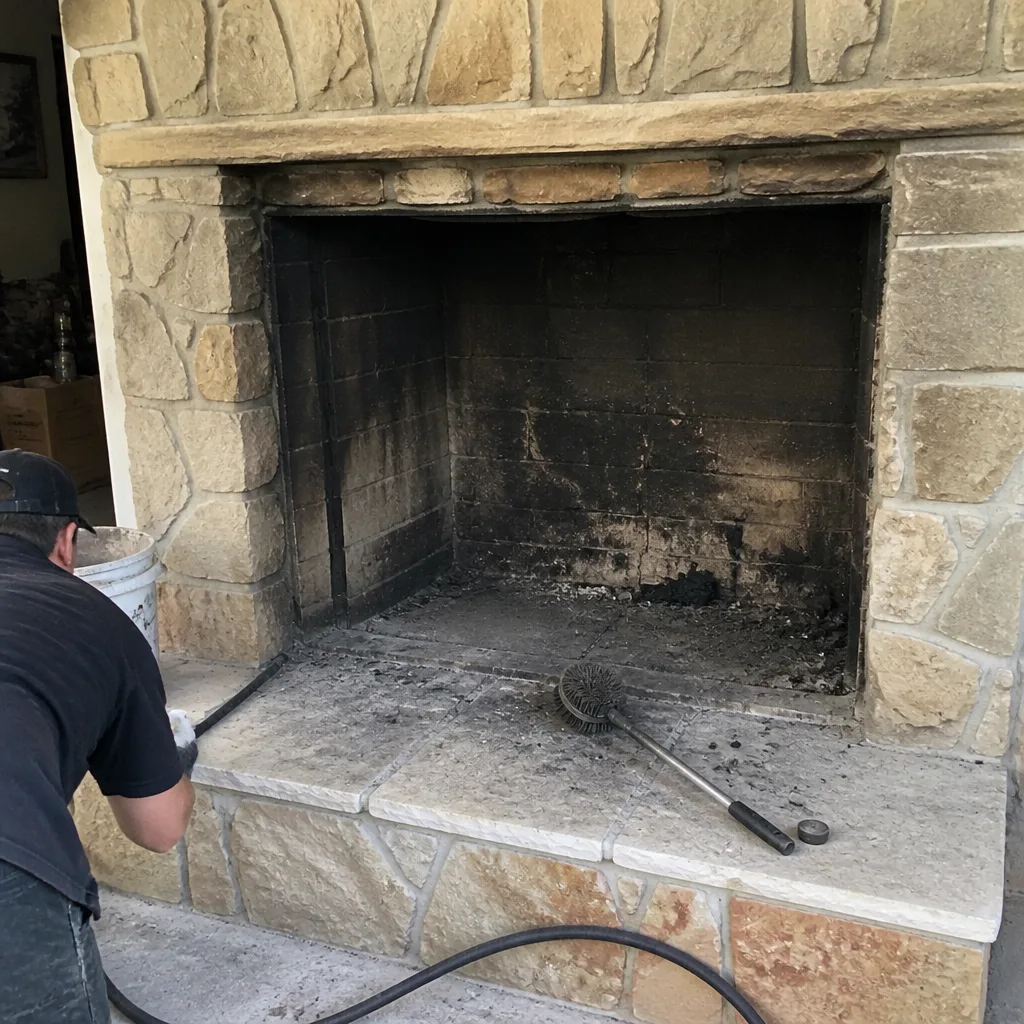 Before
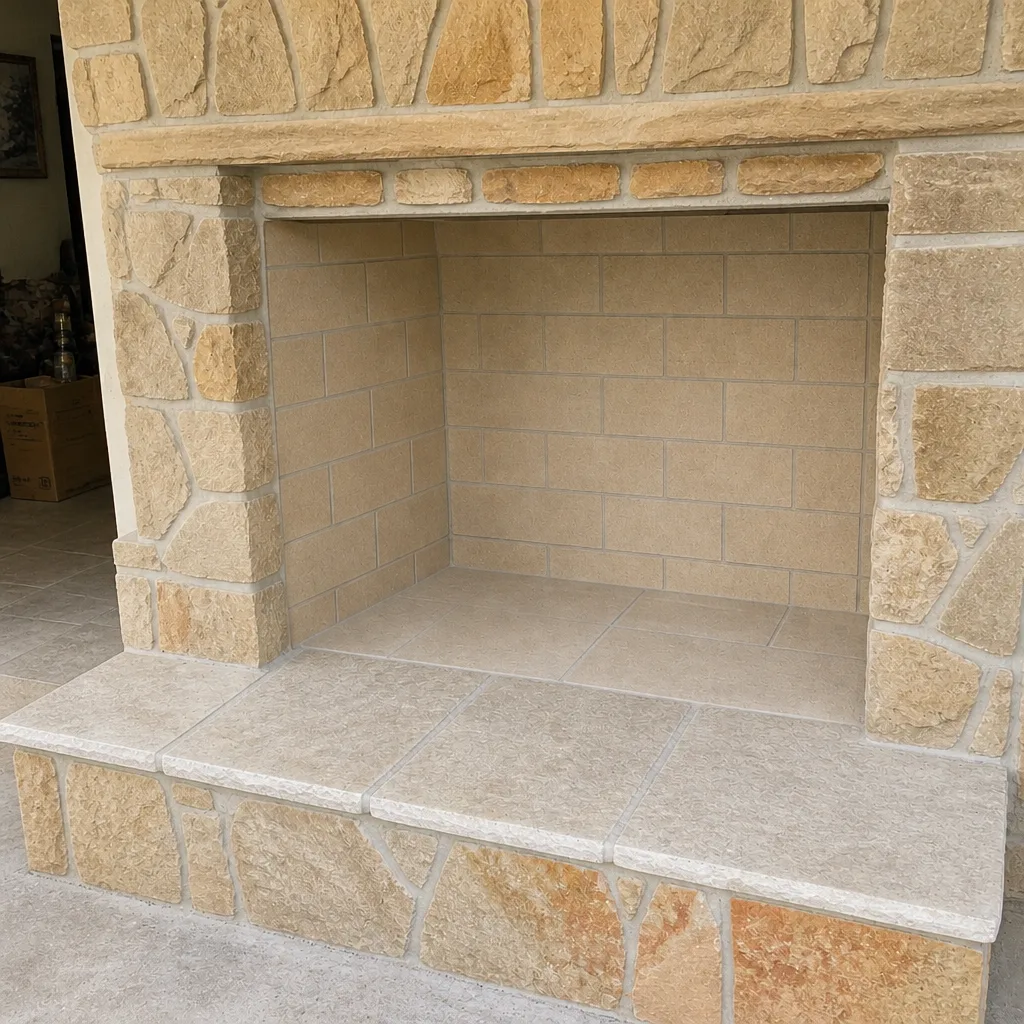 After
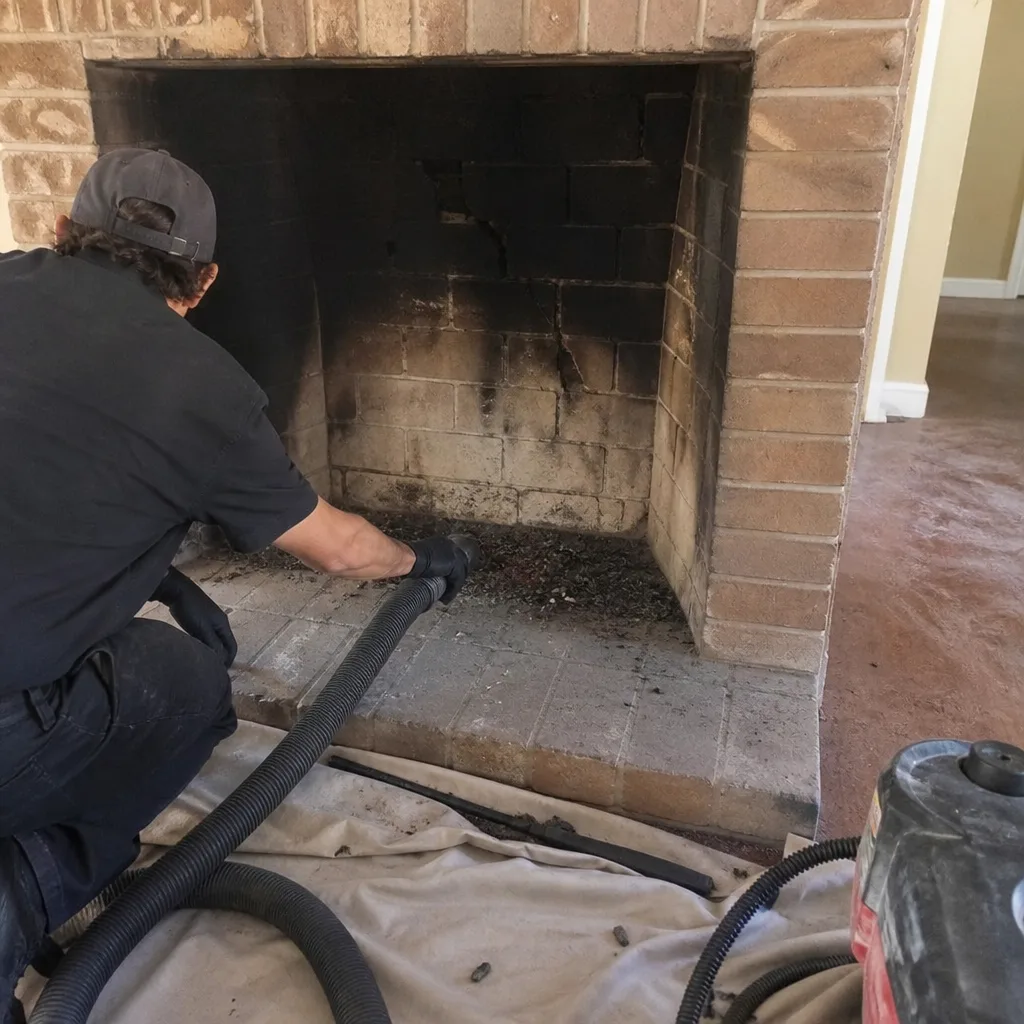 Before
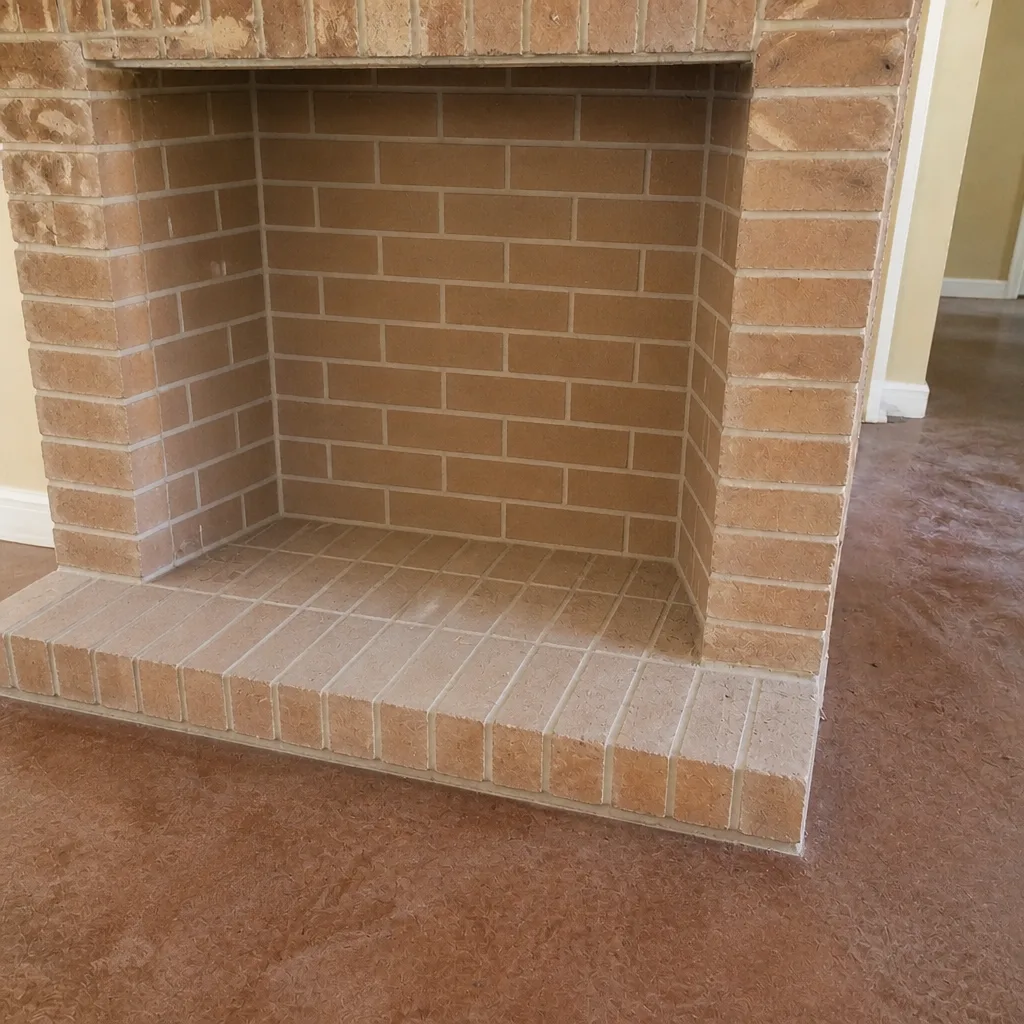 After
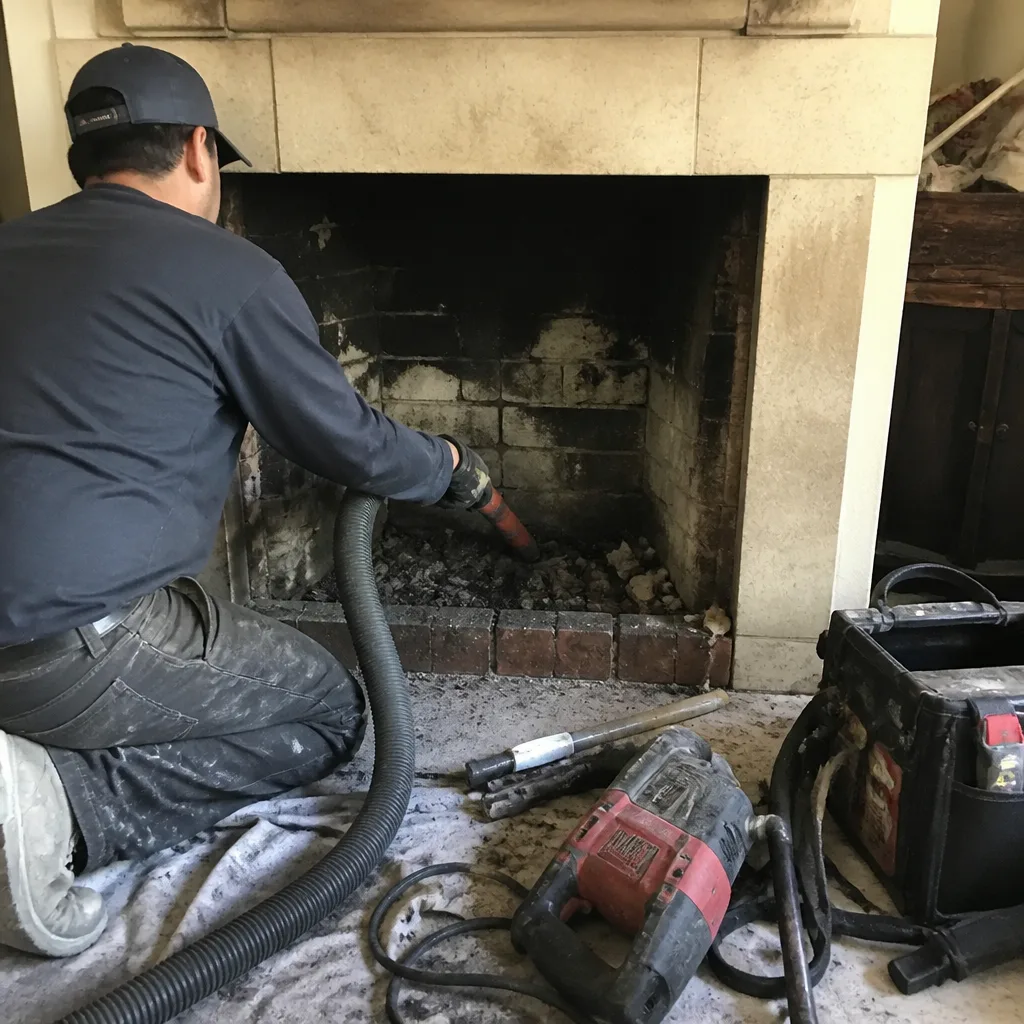 Before
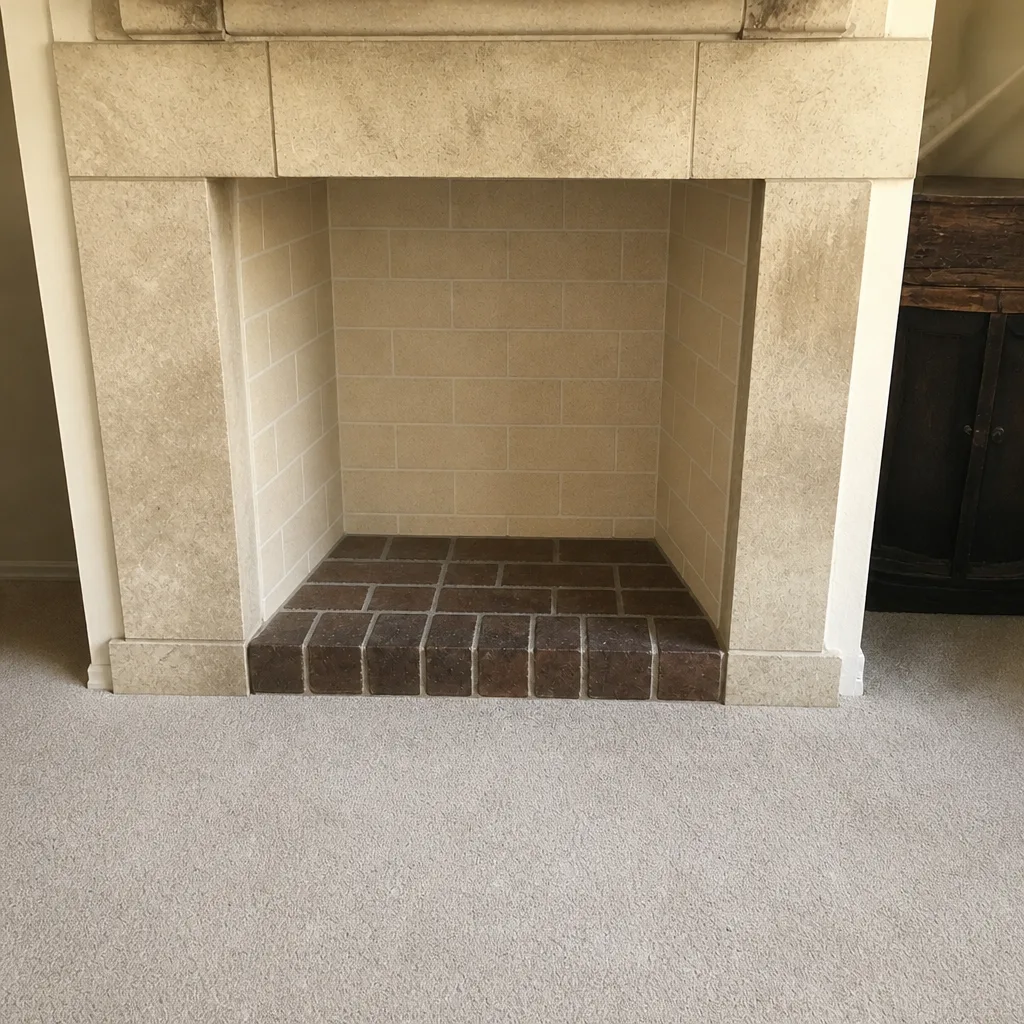 After
Common Mistakes to Avoid
- Hiring the company that quotes the lowest price without asking about materials. A low number often means generic parts and a fast job. Ask which products go into the repair before you compare quotes.
- Accepting a liner recommendation you can’t verify. A liner is one of the biggest-ticket repairs in the trade. You should see the camera footage and hear a product name before any work is approved.
- Letting the repair get handed off to a second contractor. When the sweep and the repair are done by different companies, no one is accountable for the whole system. In Encino, where houses are close together and short chimney runs, this is the source of many repeat repairs.
- Skipping the inspection and buying a sweep alone. A sweep clears creosote but doesn’t report on the liner, crown, or cap. You want the condition report every time.
- Using a film-forming sealer on masonry. A cheap sealer traps moisture inside the brick, which causes the face to spall. Use a vapor-permeable product on the exterior.
- Replacing a cap with a galvanized model to save a little. In Encino’s dry, hot climate, the corrosion-resistance of stainless matters and the price gap is small.
- Treating the inspection as a sales call. A professional inspection tells you what’s there and lets you decide. If you feel pushed to a specific repair before you’ve seen the footage, step back.
When to Call a Professional
Some chimney issues show up as obvious symptoms; others are silent until they become expensive. Call a professional if you notice any of these: a strong creosote smell in the house, especially on warm days; a draft that gets worse over time; soot or water stains on the firebox or the wall near the chimney; a cap that is missing, loose, or full of rust; masonry that has visible cracks in the crown or between the bricks; smoke that comes back into the room when the fireplace is running; or a fireplace that hasn’t been inspected since you moved into the home.
The chimney is a safety system, and creosote buildup, a damaged liner, or a failed cap can create real risk. Chimney Sweep Encino offers free estimates. Our technicians have up to 9 years of experience diagnosing the full system, from the firebox to the crown, and we’ll tell you plainly what’s going on before any work is recommended. Call (833) 925-1856. We answer 24/7. Fast dispatch from 7am to 7pm, Sunday through Friday.
Frequently Asked Questions
There isn’t one brand that’s right for every job, because chimney work involves multiple products: crown coatings, water repellents, flue sealants, liner systems, caps, and dampers. The right answer is a company that names the products it uses for each component. HeatShield, DuraFlex, Gelco, Olympia Chimney, Famco, and Copperfield are recognized professional names in this trade. Call (833) 925-1856 to hear what we’d use on your chimney and why.
For a crown or a water repellent, a hardware store product often fails sooner than a professional grade and can trap moisture rather than shed it. A cheap crown patch can crack within a couple of seasons; a professional elastomeric coating flexes for far longer. For the flue and smoke chamber, only a product rated for the application is appropriate, and those are generally not sold at retail. Call (833) 925-1856 for a free estimate on the specific product your repair needs.
The camera inspection decides it: HeatShield ceramic resurfacing fits a flue whose tile is intact but whose joints or smoke chamber need smoothing, while a flexible stainless liner fits a flue that is cracked, missing tile, or undersized for the appliance. Both are legitimate, and the recommendation should match the condition of your flue. Call (833) 925-1856 and we’ll walk you through the footage before anything is approved.
Once a year is the standard, and more often if the fireplace is used heavily or if you notice odors, drafts, or water issues. Encino’s mild winters mean the fireplace can run for a long season, and creosote builds up with use regardless of the outside temperature. Annual inspection catches small problems before they become liner or crown work. Call (833) 925-1856 to schedule a free estimate and a condition report you can see for yourself.
Both, and the same crew handles them along with any fireplace repair or liner work, so there’s no handoff to another company. We install stainless caps and professional crown coatings from the same visit as the repair. If the inspection turns up a problem elsewhere in the system, we can resolve it in the same booking. Call (833) 925-1856 and we’ll tell you what the system actually needs.
Creosote keeps building in the flue, a cracked liner or failed cap goes unnoticed, and the damage grows from a small repair into a larger one. Chimney fires and carbon monoxide problems start in exactly these unchecked conditions, which is why the inspection comes before any repair conversation. The sweep keeps the flue clear; the inspection keeps the system safe. Call (833) 925-1856 for a free estimate, and we’ll show you what we find.
The Bottom Line
Choosing a chimney cleaning brand is really choosing a contractor whose materials you can verify. The product names matter because they tell you whether the crown coating will flex, whether the water repellent lets the brick breathe, whether the liner is a professional system or a generic substitute, and whether the cap is stainless or galvanized. In Encino, where fireplaces run long seasons and the climate is mild but hard on masonry, that knowledge is what separates a repair that lasts from one that comes back. Ask the questions in this guide, see the camera footage for yourself, and let the brands do the talking. When the chimney is ready for a full inspection and the repair behind it, you can Chimney Sweep Encino reach out and schedule a free estimate at (833) 925-1856. We answer 24/7. Fast dispatch from 7am to 7pm, Sunday through Friday.
Written by the team at Chimney Sweep Encino.