
Last updated November 22, 2026
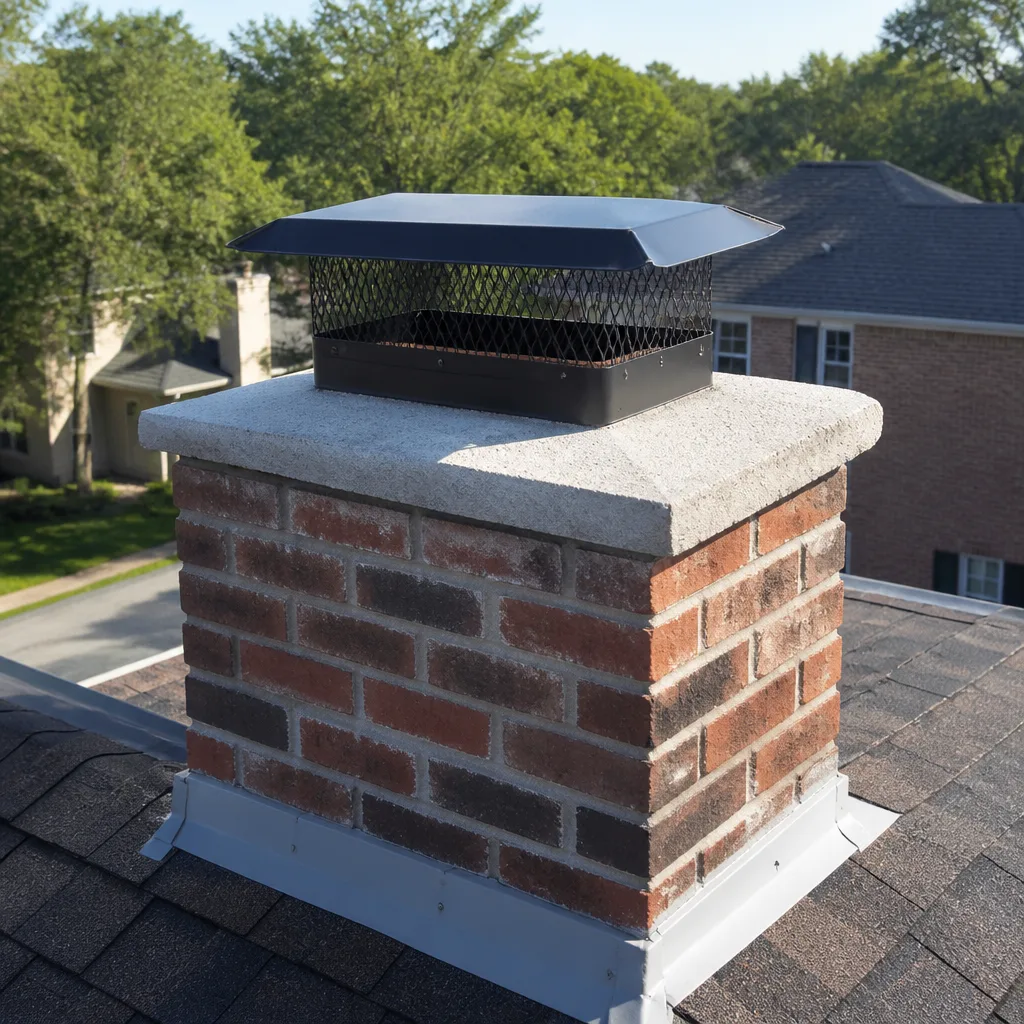 Sweep & inspection
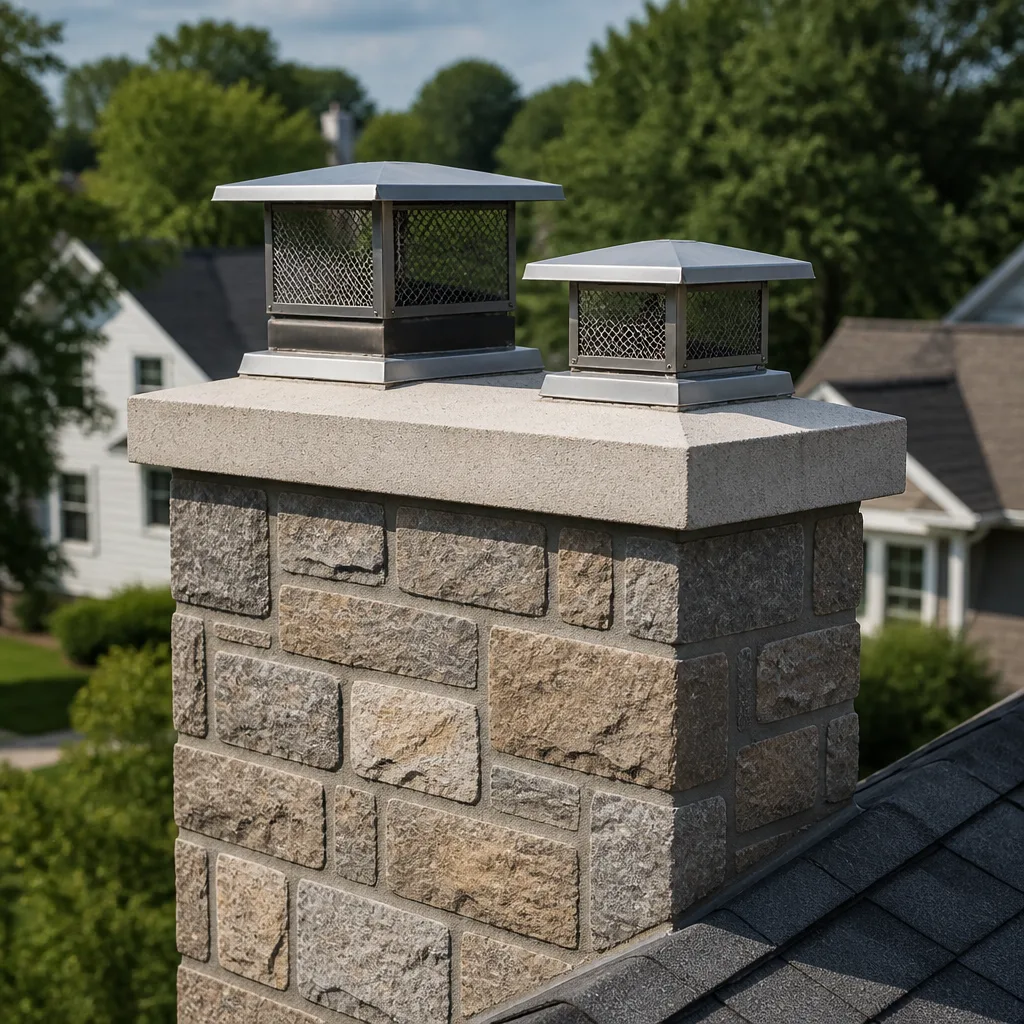 Caps & crowns
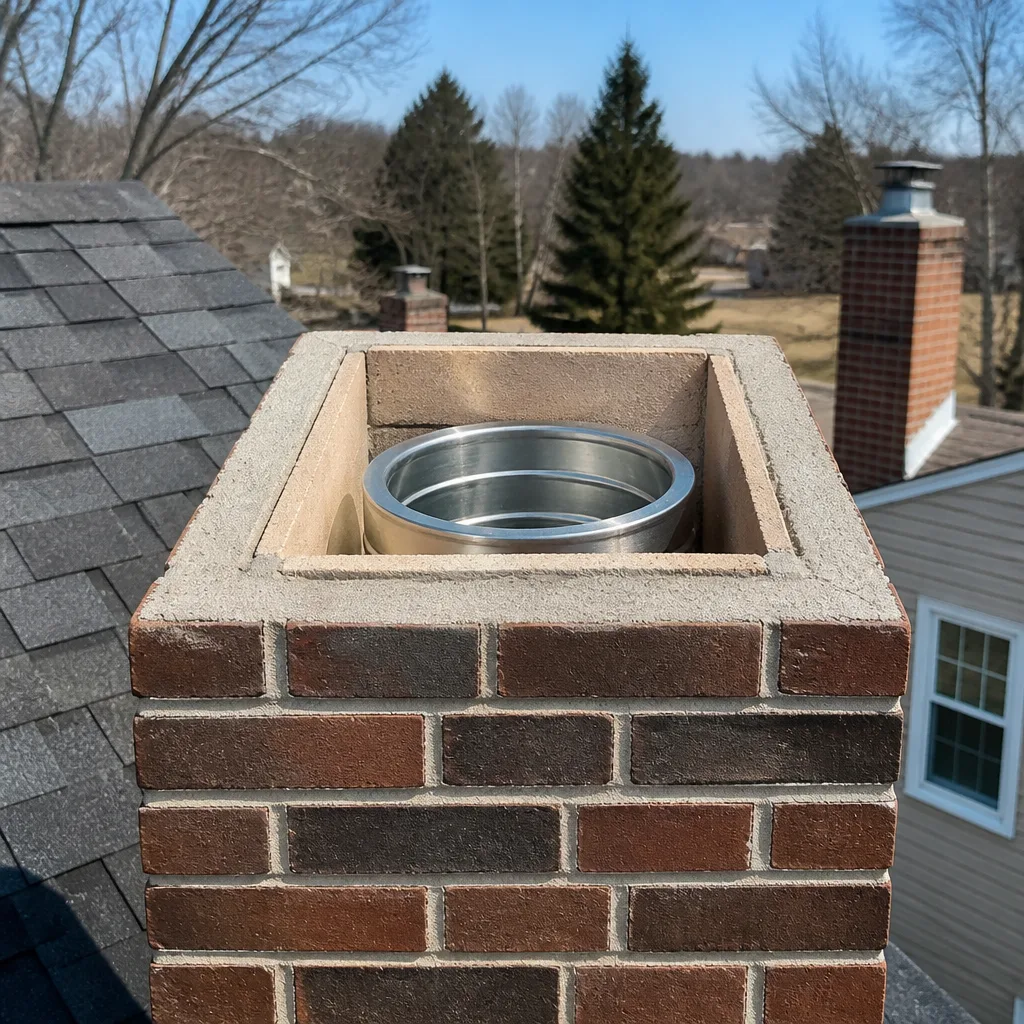 Flue relining
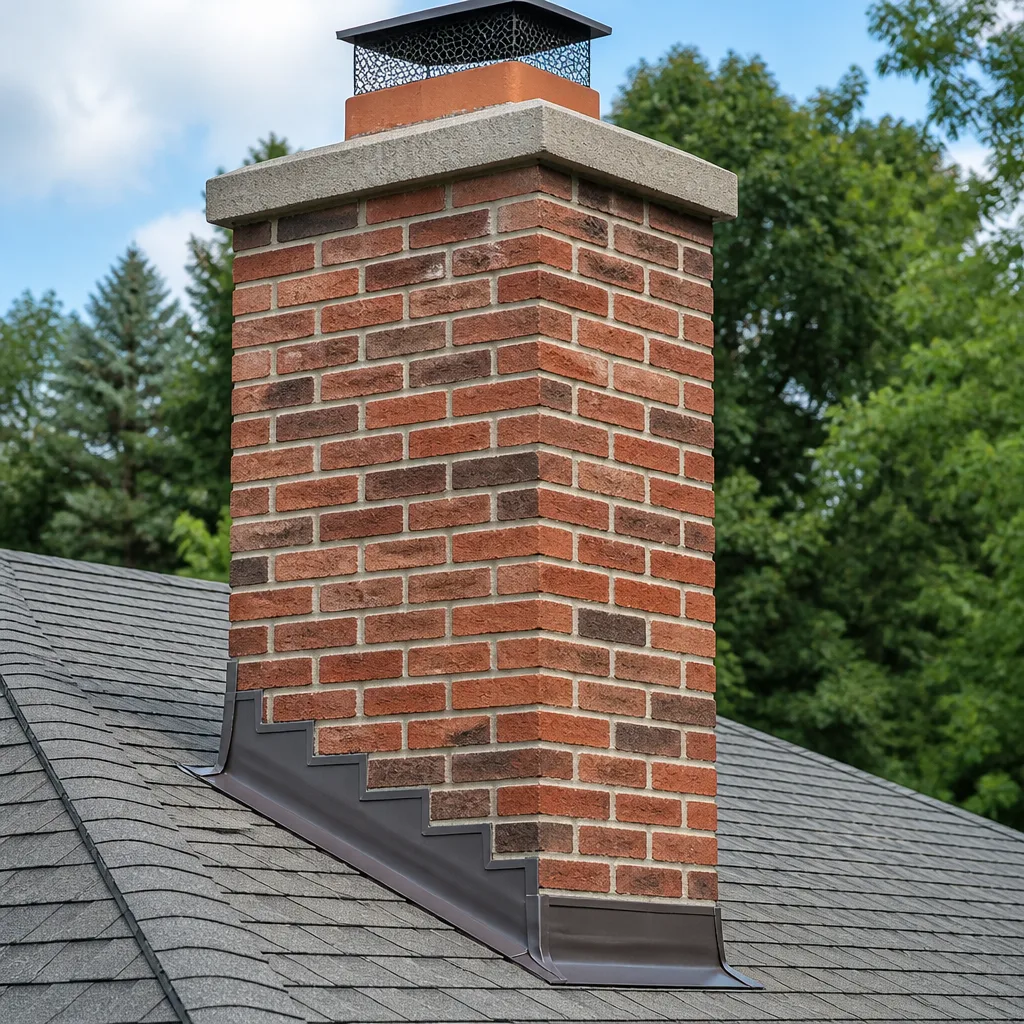 Masonry repair
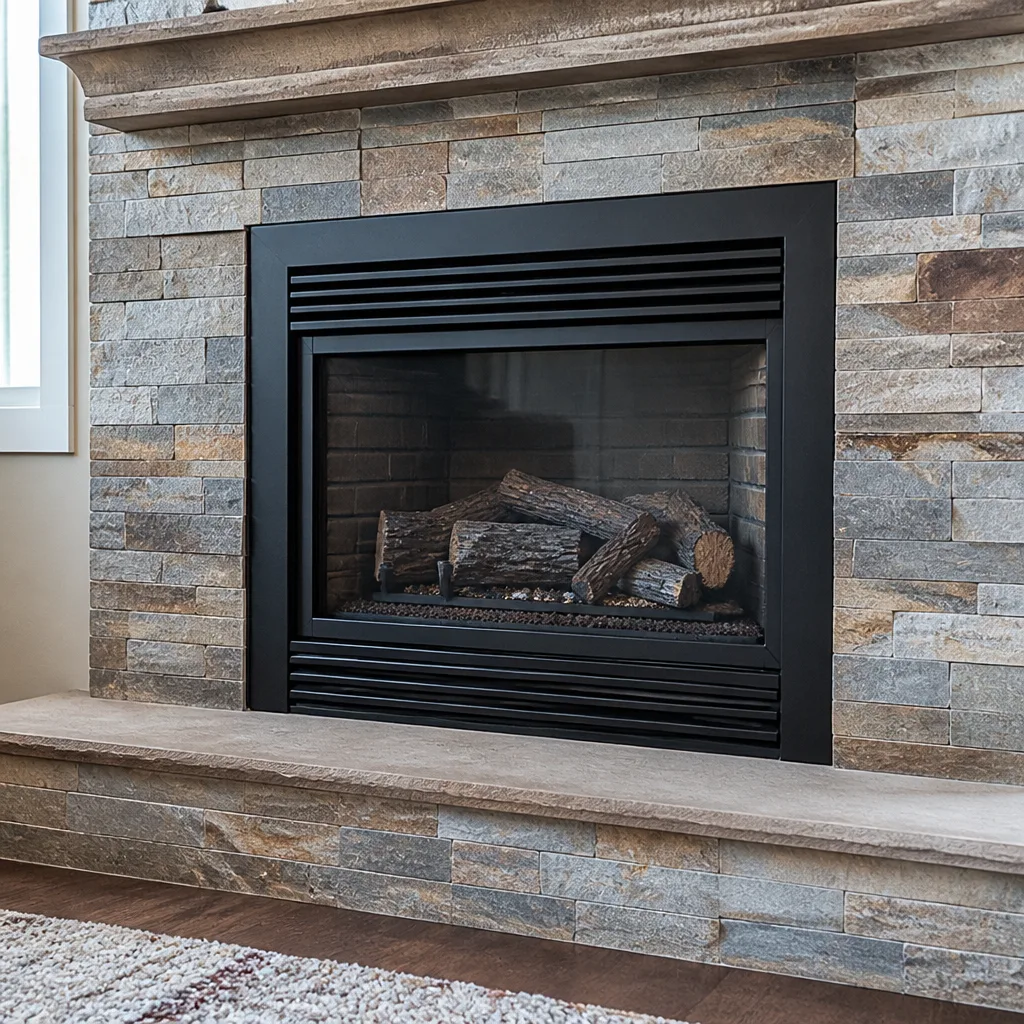 Gas fireplace service
Level 1 sweep and inspection to the NFPA 211 annual standard - flue, crown, cap, and flashing checked and photographed
Chimney sweep logs do not sweep chimneys. They loosen some creosote - which then falls where a brush and vacuum still have to collect it.
The Complete Guide to Chimney Cleaning in Encino
Most chimney fires don’t start because homeowners skipped cleaning. They start because the cleaning stopped at the flue and ignored the smoke chamber, where the real creosote accumulates in this climate. Encino’s short, irregular burn season – a few fires on a chilly December evening, then nothing for weeks – produces a stubborn, glazed layer of creosote faster than the steady all-winter burning of a cold-climate chimney. This guide walks through what a real cleaning covers, why the Santa Ana winds change your inspection schedule, and how to read an inspection report without guessing. You’ll finish knowing exactly what your Encino chimney needs and how to tell a thorough cleaning from a quick sweep.
Quick Answer
A chimney cleaning in Encino should cover all five zones of the system – firebox, smoke shelf, smoke chamber, flue liner, and crown – not just the flue. Most homes here need a sweep and a Level 1 inspection once a year, or after roughly a cord of wood, whichever comes first. Irregular burning and Santa Ana wind events both push creosote and debris into places a basic sweep truck never reaches.
Styles & brands we work with
- Sweep & inspection
- Caps & crowns
- Flue relining
- Masonry repair
- Gas fireplace service
Table of Contents
- Why Encino’s Burn Season Changes Creosote
- The Five Zones of a Chimney System
- How Santa Ana Winds Affect Your Chimney
- What a CSIA-Standard Cleaning Actually Involves
- How to Read a Level 1 Inspection Report
- Sweeping vs. Full-System Service
- Common Mistakes to Avoid
- Frequently Asked Questions
Why Encino’s Burn Season Changes Creosote
Cold-climate homeowners burn consistently from October to April. The firebox stays hot, the flue stays warm, and creosote tends to deposit in a fairly predictable pattern. Encino doesn’t work that way. Our winters are mild, so fires are sporadic. A homeowner might burn three evenings in a row during a cold snap, then let the fireplace sit for two weeks. That stop-and-go pattern is harder on the chimney than steady use.
Here’s why. When a fire burns hot and the flue is warm, most of the byproducts go up and out. When a fire is lit cold and dies down quickly, the smoke cools before it clears the flue. Cool smoke condenses on the liner walls. Do that repeatedly and the deposits stack in layers.
Stage Two Creosote Forms Faster Here
Creosote moves through three stages. Stage one is soot and light flake that brushes off easily. Stage two is a crusty, flaky deposit that needs a rotary brush or a chemical treatment. Stage three is the glazed, hardened coating that’s the most flammable and the hardest to remove.
Irregular burn habits push a chimney toward stage two faster than steady use does. Each cold start adds a thin layer. Each short burn leaves it unburned. Over a single season in Encino, a fireplace used only a dozen times can build up more stage two creosote than a fireplace in a colder climate used fifty times with good heat.
What This Means for Typical Encino Homes
- If you use your fireplace fewer than ten times a year, you still need an annual inspection and sweep.
- If you burn damp or unseasoned wood, you accelerate creosote formation significantly.
- If your fireplace is decorative – gas logs or a gas insert – you still need an inspection, though the cleaning schedule differs.
- If you notice a flaky, popcorn-like texture on the damper or smoke shelf, you’re likely looking at stage two creosote.
In our experience, this is where a routine chimney sweep earns its keep. A brush run down the flue won’t tell you what’s happening on the smoke shelf or in the smoke chamber. Those are the spots where Encino’s burn pattern leaves the most behind.
The Five Zones of a Chimney System
Most people picture a chimney as a pipe. It’s not. A chimney is a system with five distinct zones, and each one does a different job. A real cleaning touches all five. A basic sweep often covers only the flue.
1. Firebox
The firebox is where the fire burns. It’s typically brick, sometimes with a steel insert. Cleaning here means removing ash, soot, and any debris that has fallen onto the floor of the firebox. The firebox walls get inspected for cracked brick, failed mortar joints, and gaps in the firebrick that could let heat reach the structure behind it. In Encino, we also look at the hearth and the damper frame, because seismic movement over time can open small gaps around the firebox face.
2. Smoke Shelf
The smoke shelf sits just behind the damper, at the bottom of the smoke chamber. It’s a horizontal ledge that collects falling debris, creosote flakes, bird nesting material, and soot. It’s also one of the hardest spots to reach. Cleaning it means a hand brush and a vacuum, done properly, not just a flue brush rattled around above it. If a sweep leaves the smoke shelf loaded, the next fire will heat that debris and push it back into the living space.
3. Smoke Chamber
The smoke chamber is the sloped area between the damper and the flue. Its job is to compress smoke and push it up into the flue. Its sloped walls make it a creosote magnet, and its shape makes it hard to brush. This is the zone most often missed by sweep-only services, and it’s the zone we see with the heaviest deposits in Encino homes. A proper cleaning either reaches the smoke chamber walls with a rotary tool or resurface them. That’s where a product like HeatShield ceramic resurfacing earns its place: it smooths the chamber walls so creosote can’t cling the same way, and it addresses pitting and cracking at the same time.
4. Flue Liner
The flue liner is the vertical passage that carries smoke and gases up and out. It’s either clay tile, stainless steel, or in some older Encino homes, unlined masonry. Cleaning means brushing the full length of the liner with a properly sized brush for its diameter. Inspecting it means checking for cracks, gaps at the joints, and signs of a prior chimney fire. If the liner has failed, the fix is either a full rebuild or a flexible stainless system like a DuraFlex liner, which gets installed inside the existing flue.
5. Crown
The crown is the concrete cap at the very top of the chimney that sheds water away from the masonry. Cleaning and inspection means checking the crown for cracks, spalling, and separation from the flue. A failed crown lets water in, which is the number one cause of masonry chimney deterioration in Southern California. A chimney chimney cap & crown inspection is a normal part of any thorough cleaning we perform.
Top to bottom, these five zones make up the whole system. A service that stops at the flue is only doing about forty percent of the job.
How Santa Ana Winds Affect Your Chimney
Santa Ana winds are a fact of life in Encino. They come off the mountains, they’re dry, and they push hard from the northeast. In chimney terms, they create two problems that most chimney guides written for cold climates never mention.
Negative Pressure
When wind pushes across the top of the chimney, it creates a low-pressure wake on the downwind side. In simple terms, the chimney becomes a vacuum. Smoke gets pulled back into the house instead of up the flue. If your fireplace smokes during a Santa Ana event, this is almost always the reason.
Over time, this pressure dynamic also pushes debris into the system. Leaves, twigs, and grit that would otherwise blow past the cap get sucked against the spark arrestor or dropped into the flue. After a strong wind event, a chimney that was clean in October can have a visible accumulation by January.
What This Means for Inspection Frequency
- Schedule a chimney inspection in Encino before the first Santa Ana event of the season, typically in mid-to-late fall.
- If you notice smoke drafting into the room during windy days, that’s a signal to inspect before the next burn.
- After a significant wind event, check the cap and spark arrestor for debris buildup or damage.
- If you smell smoke in the house when the fireplace isn’t lit, that’s a sign of downdraft – worth an inspection.
We treat the Santa Ana season as a meaningful part of the inspection calendar for Encino homes. Wind damage isn’t visible from inside, and a minor crack in a crown or a loose cap can turn into a water intrusion problem once the next rain hits.
What a CSIA-Standard Cleaning Actually Involves
The Chimney Safety Institute of America publishes standards that define what a proper chimney cleaning looks like. A lot of basic sweep trucks fall short of that standard. Here’s how to tell the difference, and what a proper cleaning actually looks like when it’s done right.
Step-by-Step: The Standard Cleaning Process
- Pre-service inspection. Before any cleaning tool goes up the flue, we inspect the firebox, damper, and accessible flue to confirm the chimney is safe to clean and to note anything that needs attention.
- Floor protection. Drop cloths and a HEPA vacuum setup go down before any soot moves. If a technician skips this, they’re not set up for a clean job.
- Firebox and hearth cleaning. Ash and soot removal, plus visual inspection of firebrick, mortar joints, and damper.
- Smoke shelf and smoke chamber. Hand brushing and vacuuming of the smoke shelf, followed by attention to the smoke chamber walls. This is where proper cleaning separates from quick cleaning.
- Flue cleaning. A properly sized brush run through the full length of the flue, with a camera inspection of the liner. Rotary brushing for stage two deposits where needed.
- Exterior inspection. Crown, cap, spark arrestor, flashing, and the top of the chimney. This is the last step, and it’s the one that catches problems you can’t see from the firebox.
- Written report. Findings, photos, and recommendations, whether or not any repair work is needed.
What a Basic Sweep Truck Typically Skips
- The smoke chamber. Most sweep-only services run a brush down the flue and leave the chamber walls untouched.
- Camera inspection. Without a camera, you’re guessing at the condition of the liner.
- The crown and cap. These require a ladder and a real exterior inspection, not a glance from the ground.
- A written report. If you don’t get one in writing, you have no record of what was actually found.
- Resurfacing options. HeatShield and similar products require factory training to install correctly. If your service can’t offer them, that’s a sign they don’t work at this level.
In our experience, the difference between a basic sweep and a full-system cleaning is invisible on the invoice but obvious on the next inspection. Deposits left on the smoke shelf or the chamber walls come back as problems a year later.
How to Read a Level 1 Inspection Report
A Level 1 inspection is the standard annual inspection. It’s a visual check of the accessible portions of the chimney, plus the firebox, damper, and appliance connections. It doesn’t involve a camera in every case, though we use one routinely to give homeowners a clear picture of the liner’s condition. Reading the report correctly is what determines whether you book a repair or pay attention next year.
Cosmetic vs. Structural Findings
The distinction matters, and it’s the difference between a repair that can wait and one that shouldn’t.
- Cosmetic: Surface soot discoloration on the firebox face, hairline cracks in the firebrick face that don’t extend through the brick, minor rust staining on the damper.
- Structural: Cracked or missing flue tiles, gaps in the liner joints, spalling on the crown, missing mortar joints in the chimney stack, damaged or missing cap, firebox cracks that extend through the brick to the surrounding structure.
Cosmetic findings usually get noted and monitored. Structural findings need action, and the timing depends on what’s found. A cracked crown can wait a few weeks if the weather is dry. A failed liner cannot wait if you plan to burn this season.
What a Good Report Includes
- Photos of the firebox, smoke chamber, and flue liner.
- Notes on any obstruction, debris, or animal nesting material.
- Condition of the crown, cap, spark arrestor, and flashing.
- Exterior condition of the chimney stack and any visible masonry issues.
- A clear recommendation, both what needs to happen and what can safely wait.
We tell you what we find, in plain language, without turning the report into a sales pitch. An inspection is a diagnostic service, not a lead generator. If everything checks out, the report should say so.
Sweeping vs. Full-System Service
A sweep cleans the flue. A full-system service cleans and inspects all five zones, then connects any findings directly to repair options. For some homes, the sweep alone is enough. For most Encino homes, it isn’t, because Encino’s burn pattern deposits creosote in places a sweep won’t reach.
When a Sweep Alone Is Enough
- The chimney has a liner in good condition, no visible cracks, and no history of chimney fire.
- The firebox and smoke shelf are accessible and clean from previous service.
- The crown, cap, and flashing are all in good condition.
- You burn dry, seasoned wood and have your chimney inspected annually.
When You Need the Full Service
- You’ve moved into a home where you don’t know the chimney’s service history.
- You notice smoke rolling into the room during burn or during Santa Ana winds.
- You see a flaky, crusty buildup on the damper or the firebox walls.
- A prior inspection flagged the liner, crown, or firebox as questionable.
- You’ve had any kind of chimney fire, even a small one you put out quickly.
Where a full-system service makes the biggest difference is in the repair continuity. When we clean and inspect top to bottom, any findings can go straight to the right repair. If the smoke chamber needs HeatShield resurfacing, that can be scheduled without a second contractor. If the liner needs replacement, a DuraFlex liner goes in without a rebuild. Fireplace work falls under our fireplace repair service, and structural masonry repairs happen in the same crew.
A Quick Comparison
- Flue-only sweep: Cleans the vertical passage. Leaves the smoke chamber and crown untouched. No report.
- CSIA-standard full-system cleaning: Cleans all five zones, inspects the liner with a camera, checks the crown and cap, and gives you a written report.
- Full-system cleaning with repair capability: The full standard plus the ability to fix what’s found, using named professional products like HeatShield, Gelco, Olympia Chimney, and Famco.
We name the materials we use. If a repair involves a liner, we tell you which one. If it involves resurfacing, we tell you what it is. That traceability is part of what you’re paying for.
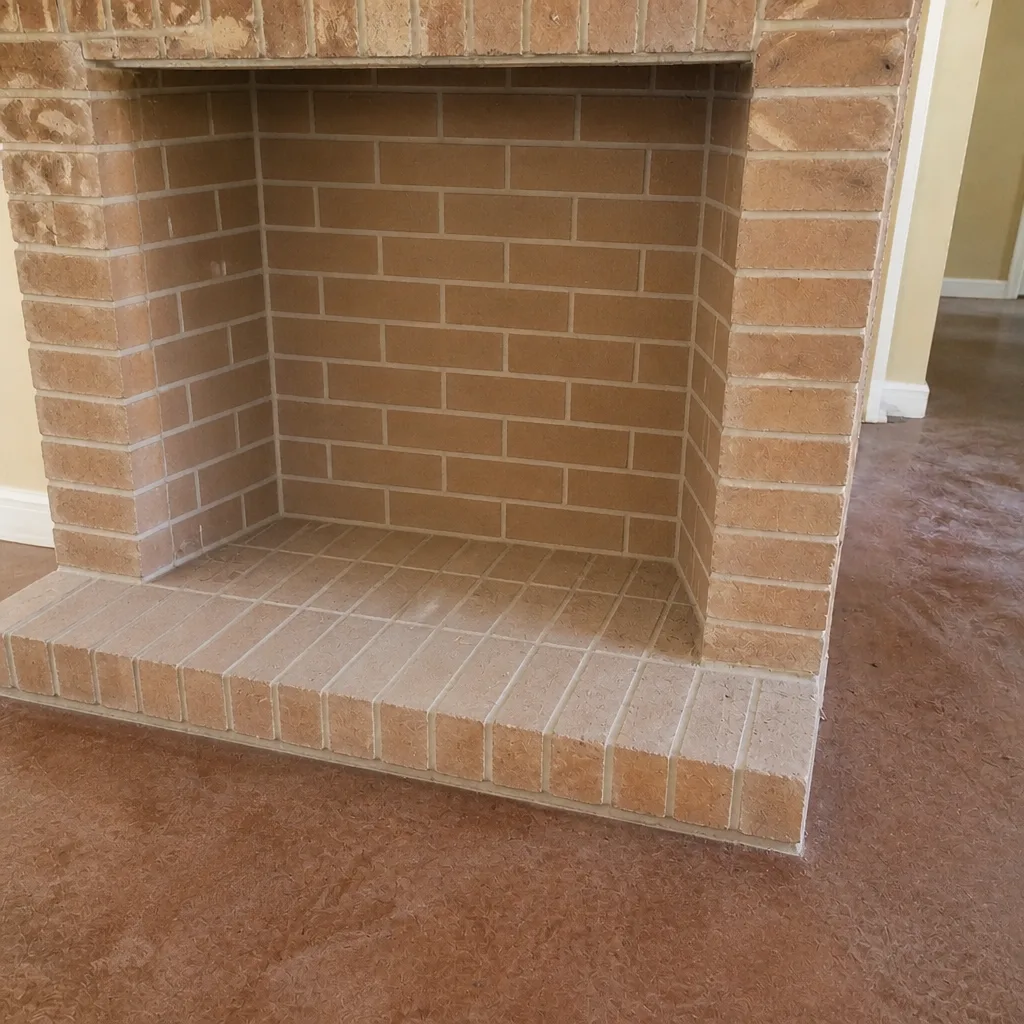
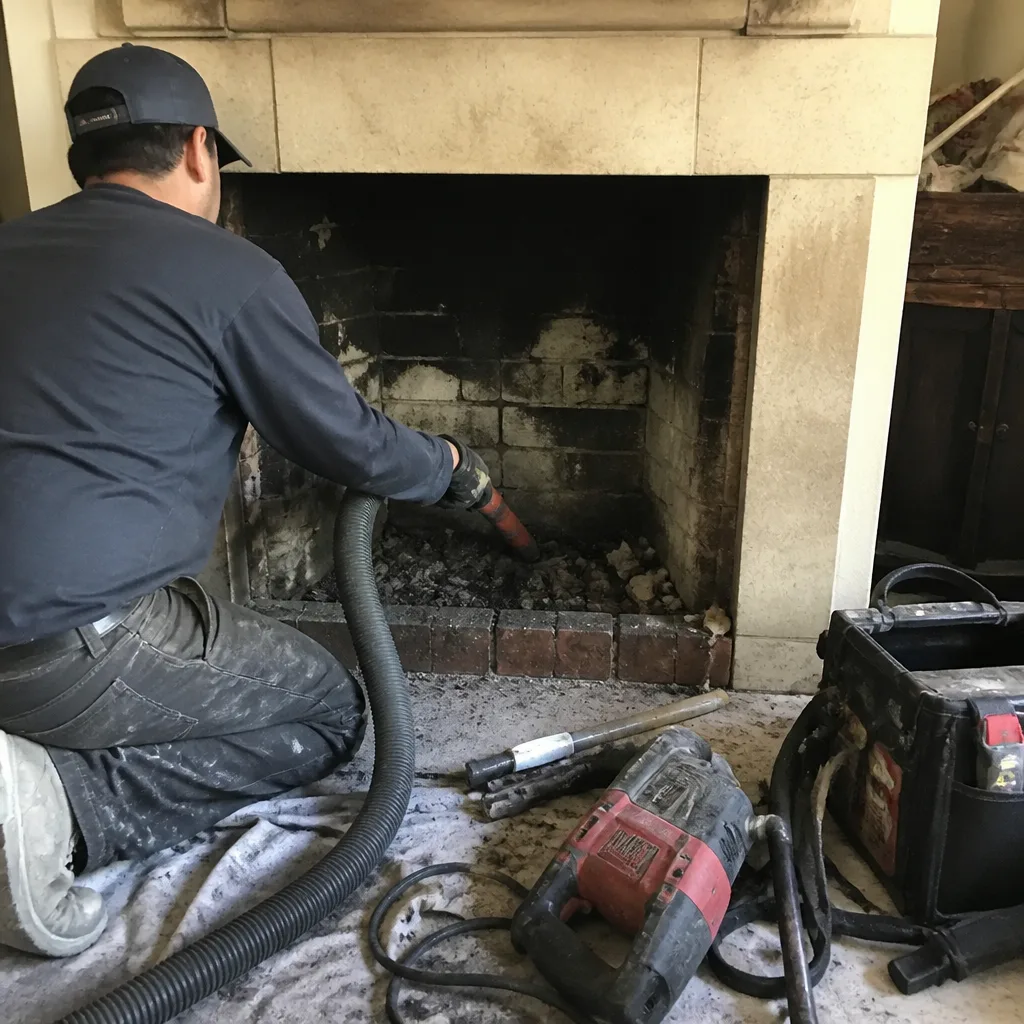
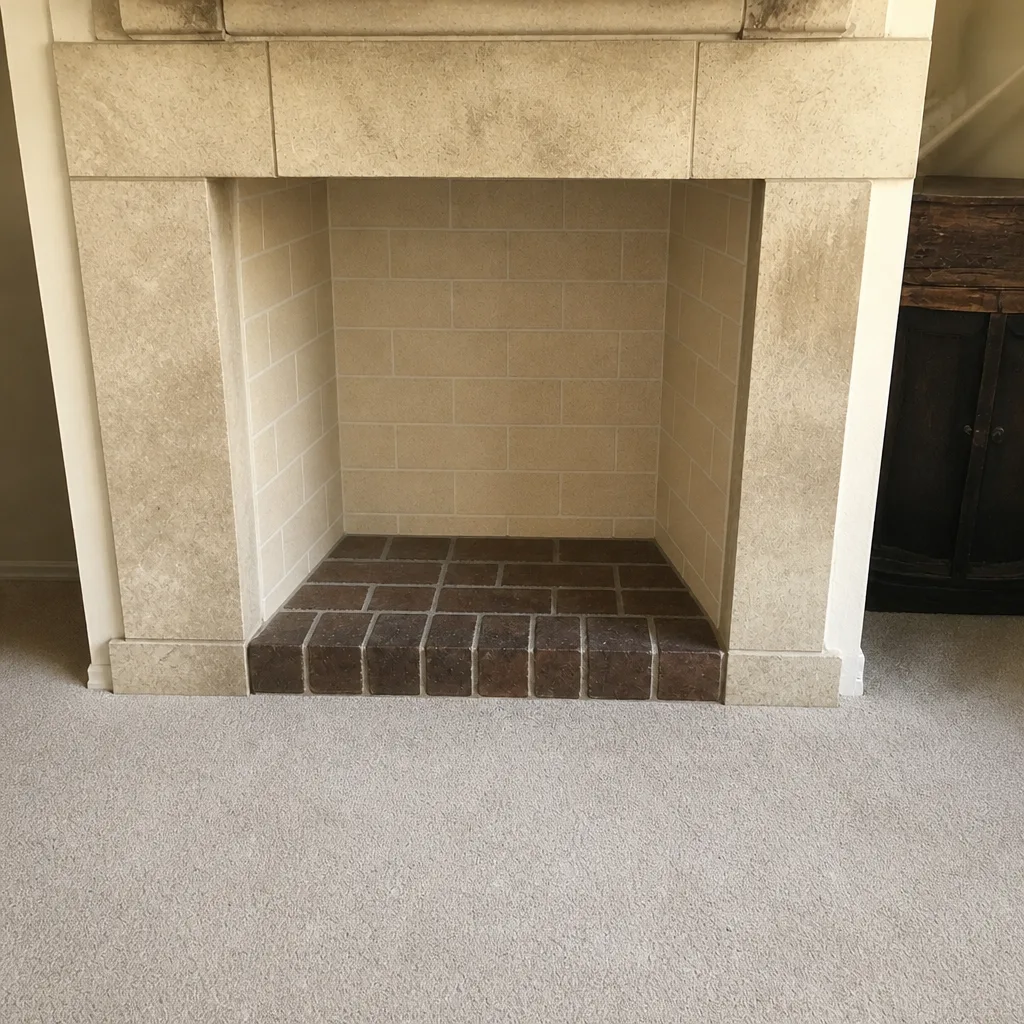
See the difference
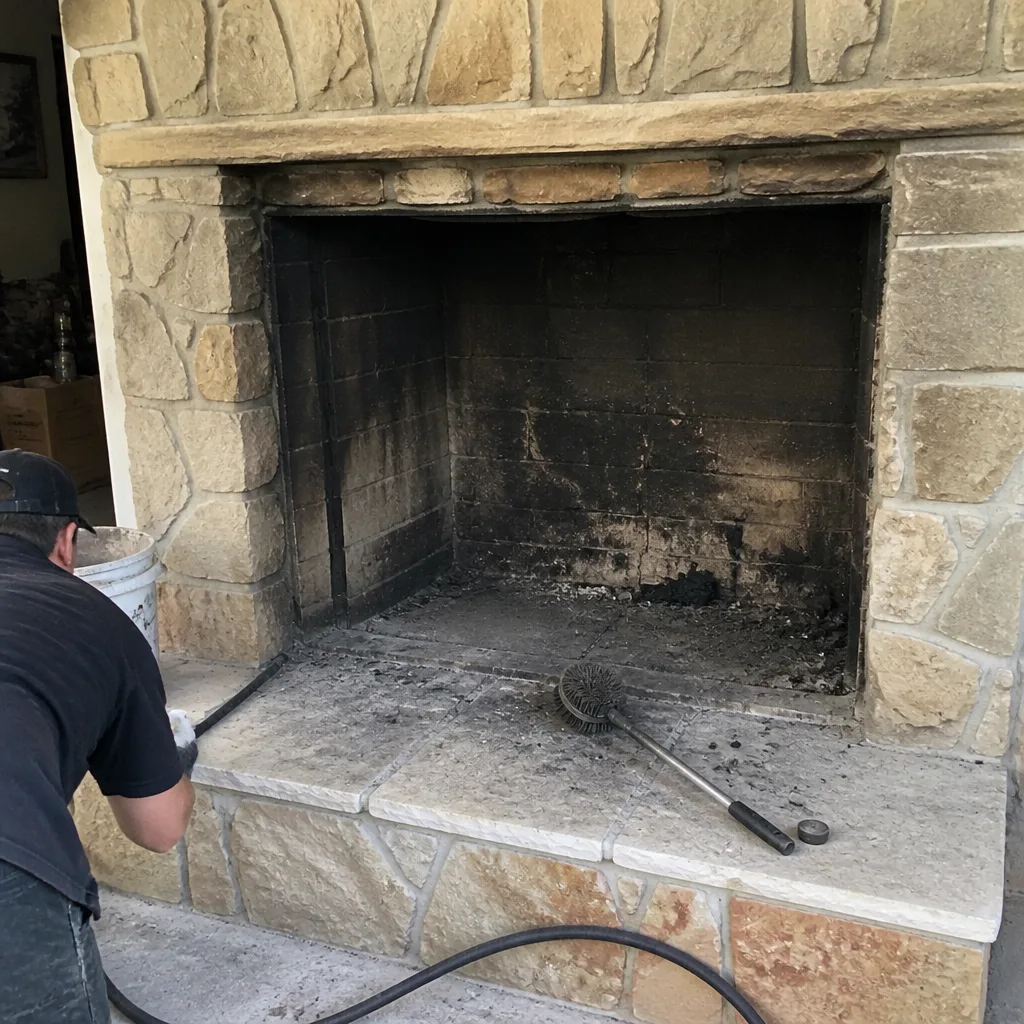 Before
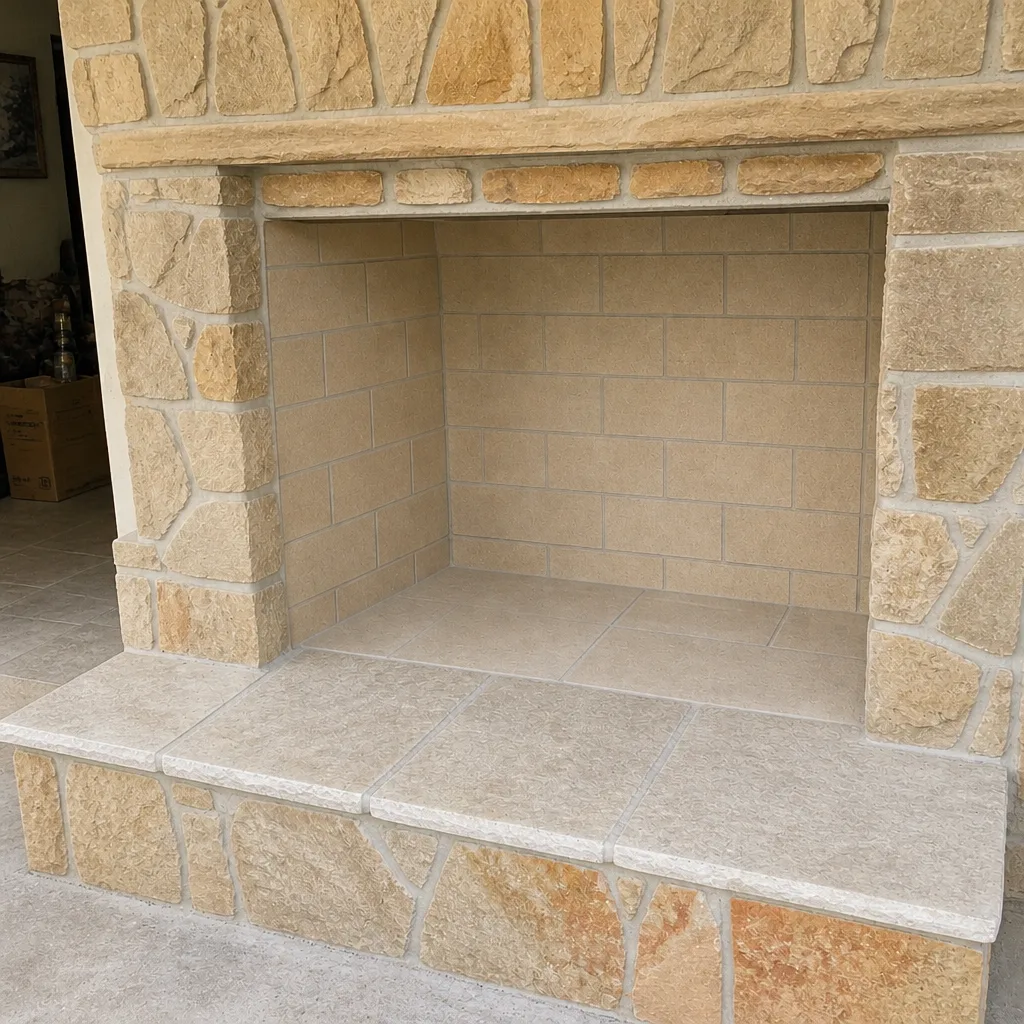 After
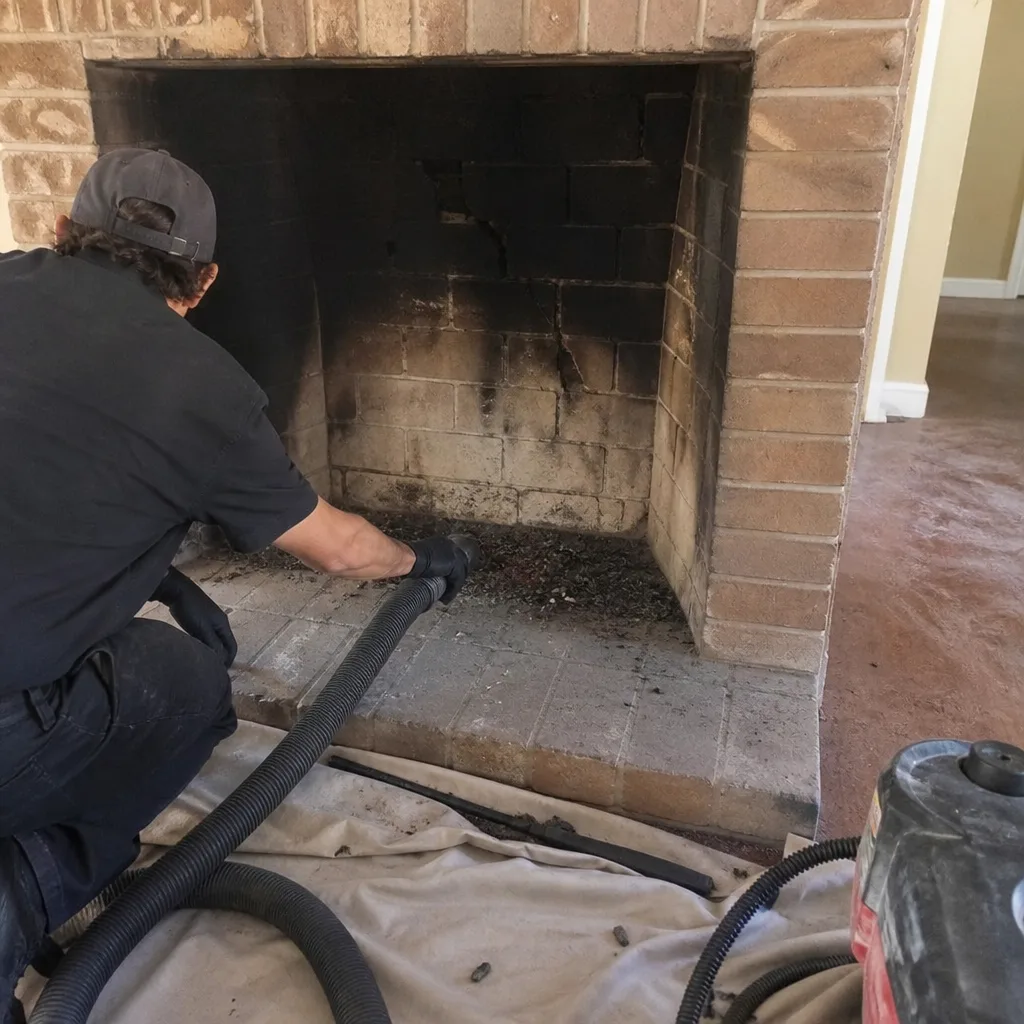 Before
 After
 Before
 After
Common Mistakes to Avoid
- Assuming a mild winter means you can skip the annual sweep. In Encino, the shorter burn season actually accelerates stage two creosote buildup. Fewer fires don’t mean a cleaner flue.
- Cleaning only the flue and ignoring the smoke chamber. The smoke chamber is where the heaviest deposits pile up in this climate. A flue brush never touches it.
- Burning unseasoned or wet wood. Damp wood creates more smoke and more creosote. In Encino’s mild winters, the fire never gets hot enough to burn off the creosote layer that forms.
- Ignoring Santa Ana wind events. Debris and negative pressure after a wind event can load a chimney in a single season. Schedule an inspection before the wind season, not after.
- Treating a Level 1 inspection as a sales visit. A proper inspection produces a report. If it produces a same-day hard sell instead, you’re not getting a diagnostic.
- Waiting for a problem before calling. Chimney fires don’t announce themselves. A small fire, a popped liner tile, or a warped damper is easy to miss from inside the living room.
- Not asking what products will be used on a repair. If the answer is vague, so is the quality. Ask for the brand name of the liner or the resurfacing product before you agree to the work.
When to Call a Professional
Call a professional if you see or smell anything unusual from the fireplace, if it’s been more than a year since your last sweep, if you’ve moved into a home with no service history, or if any Santa Ana wind event has produced smoke inside the house. Call before the first burn of the season if you haven’t had an inspection in twelve months. Call if you see a flaky or glazed texture inside the firebox. Call if the previous owner can’t produce a recent report. Chimney Sweep Encino offers free estimates in Encino – call (833) 925-1856. We answer 24/7, and we dispatch Sunday through Friday from 7am to 7pm.
Frequently Asked Questions
Once a year, or after roughly a cord of wood, whichever comes first. In Encino, the irregular burn season means even a lightly used fireplace should be inspected annually, because the stop-and-go pattern builds stage two creosote faster than steady use. If you notice smoke drafting into the room or a flaky buildup inside the firebox, book a sweep sooner. Call (833) 925-1856 for a free estimate – estimates are free.
Most Encino homes benefit from a full-system cleaning because the smoke chamber accumulates significant creosote here. A sweep-only service cleans the flue and leaves the smoke shelf and smoke chamber untouched. If you want to know whether your chimney needs more than a sweep, a Level 1 inspection with a camera will tell you. Call (833) 925-1856 to book one – estimates are free.
Santa Ana winds create negative pressure at the top of the chimney, which pulls smoke back into the house instead of pushing it up and out. It’s a pressure problem, not a cleaning problem, though debris loaded into the cap or spark arrestor during a wind event makes it worse. If it happens repeatedly, it’s worth an inspection to check the cap, the crown, and the flue liner. Call (833) 925-1856 for a free estimate.
Stage two creosote looks like a crusty, flaky coating inside the firebox, on the damper, or on the smoke shelf. It’s usually brown or black, and it comes off in flakes rather than soot smudges. It’s more flammable than stage one soot and needs a rotary brush or a chemical treatment to remove. If you can see it, it’s time for a sweep. Call (833) 925-1856 – estimates are free.
You can remove soot from the firebox, but a proper cleaning involves a camera inspection of the liner, brushing the smoke chamber, and a full exterior inspection that’s genuinely difficult to do safely without training and a ladder. A chimney is a system, and the parts that matter most are the parts you can’t see from inside. A professional sweep and inspection is a small cost against the alternative. Call (833) 925-1856 for a free estimate.
A failing liner shows up as cracked or missing tiles, gaps at the joints, or visible signs of a past chimney fire inside the flue. You can’t usually see these from the firebox, so a camera inspection is the reliable way to find out. If the liner is failing, a flexible stainless system like a DuraFlex liner can often be installed inside the existing flue without a full rebuild. Call (833) 925-1856 to book an inspection – estimates are free.
The Bottom Line
Chimney cleaning in Encino isn’t a national checklist. The mild winters, the stop-and-go burn pattern, and the Santa Ana winds all combine to create a specific set of problems that a flue-only sweep won’t catch. A real cleaning covers all five zones – firebox, smoke shelf, smoke chamber, flue liner, and crown – and ends with a written report you can actually read. Understand what stage two creosote looks like, schedule an inspection before the wind season, and don’t accept a cleaning that stops at the flue. When you’re ready, call (833) 925-1856 for a free estimate. We answer 24/7. Fast dispatch from 7am to 7pm, Sunday through Friday.
Written by the team at Chimney Sweep Encino.