
Last updated November 22, 2026
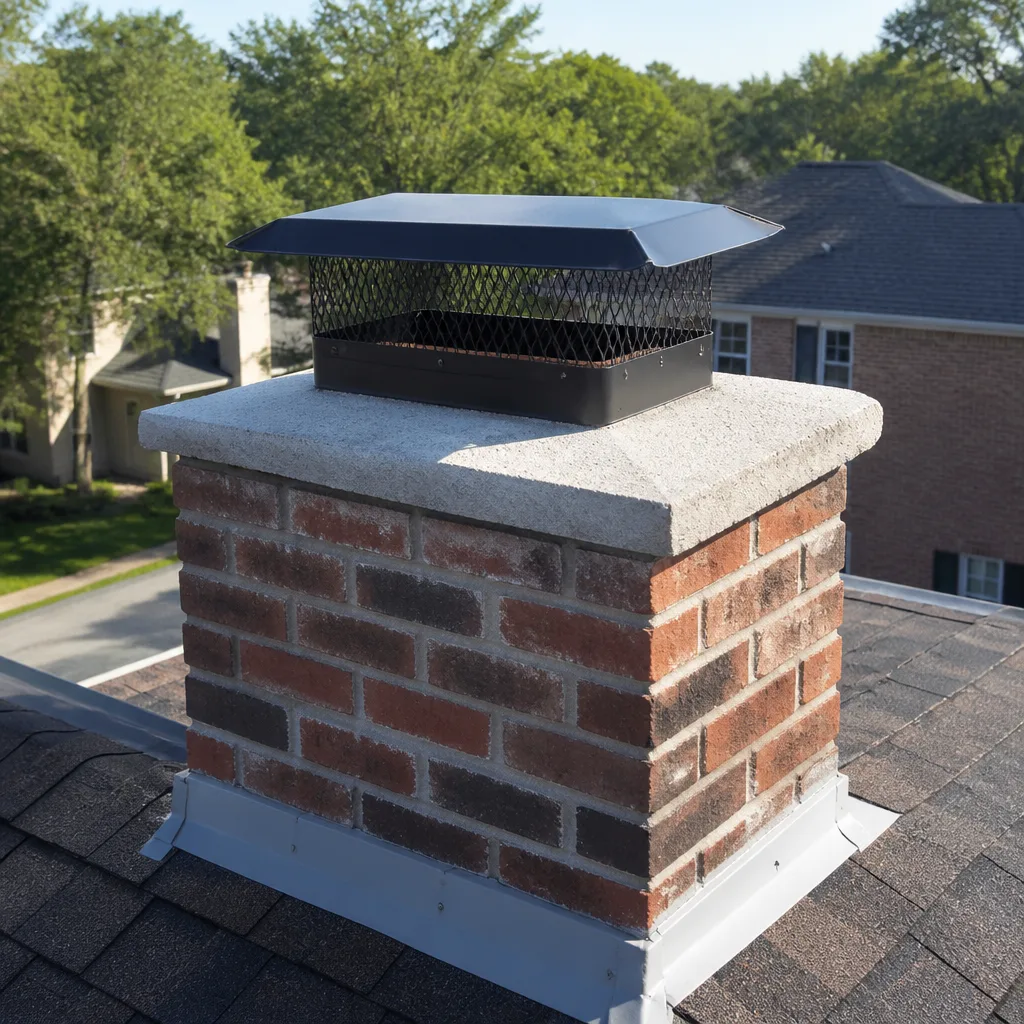 Sweep & inspection
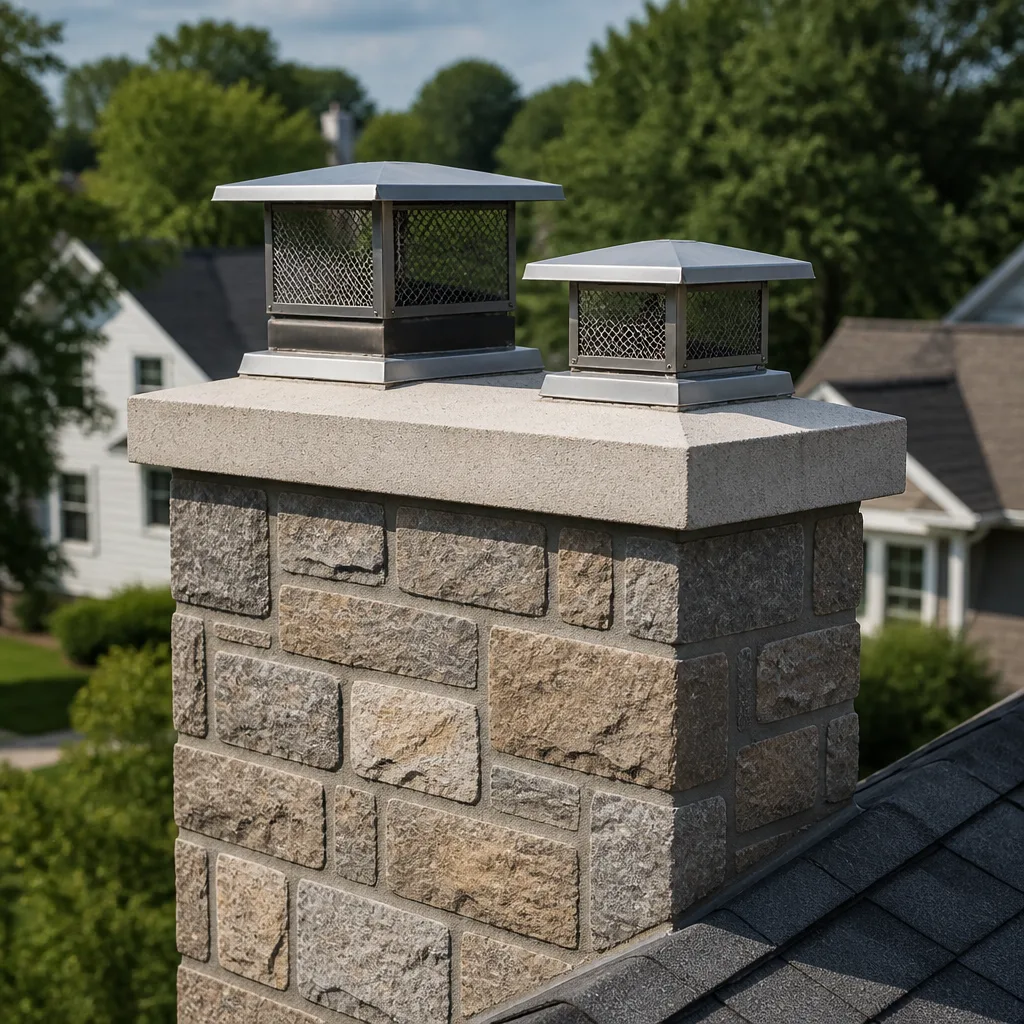 Caps & crowns
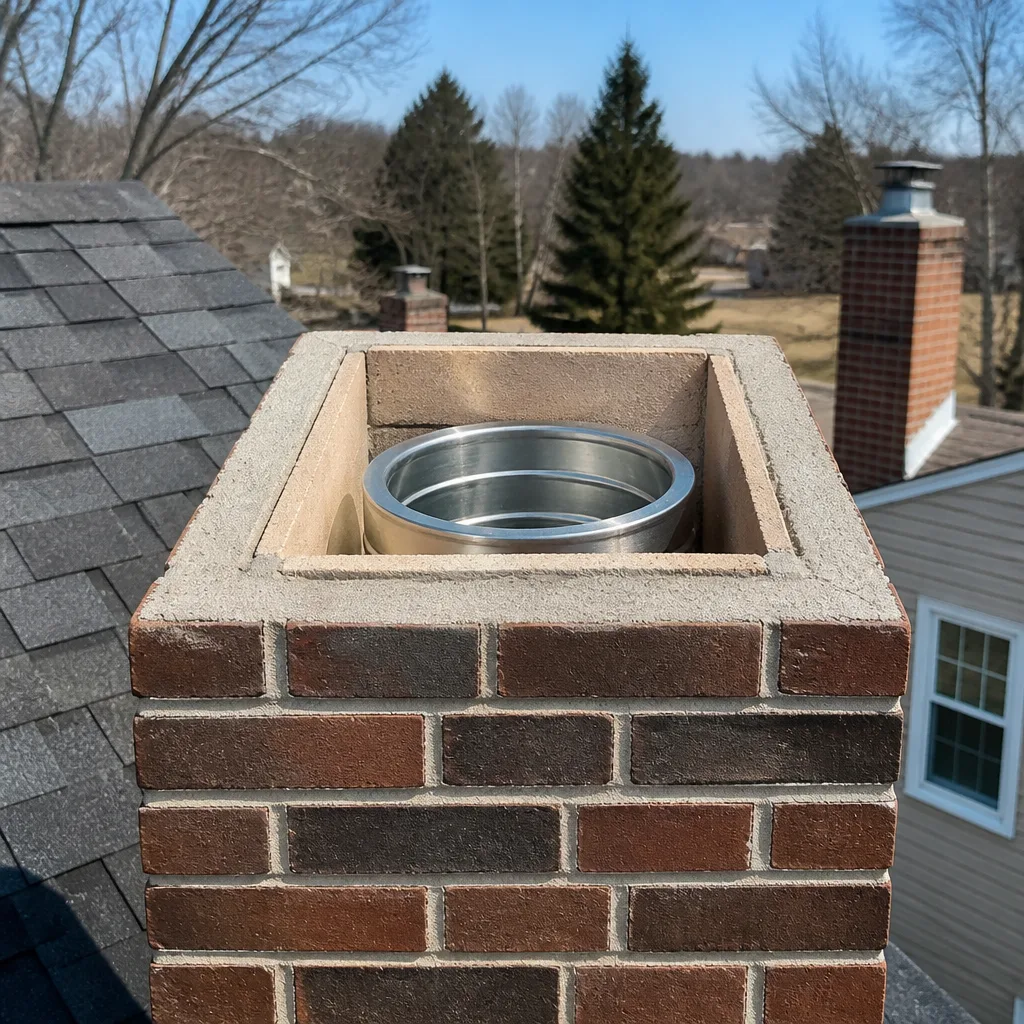 Flue relining
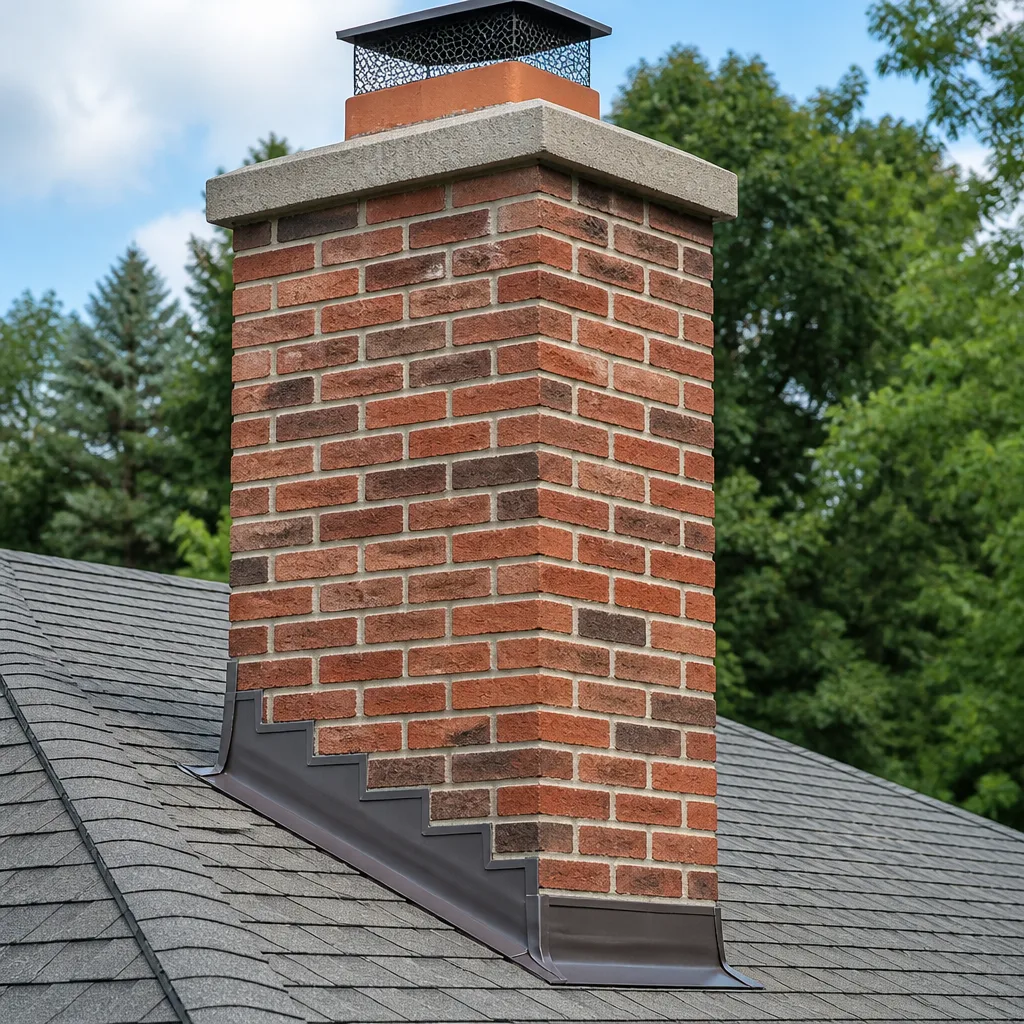 Masonry repair
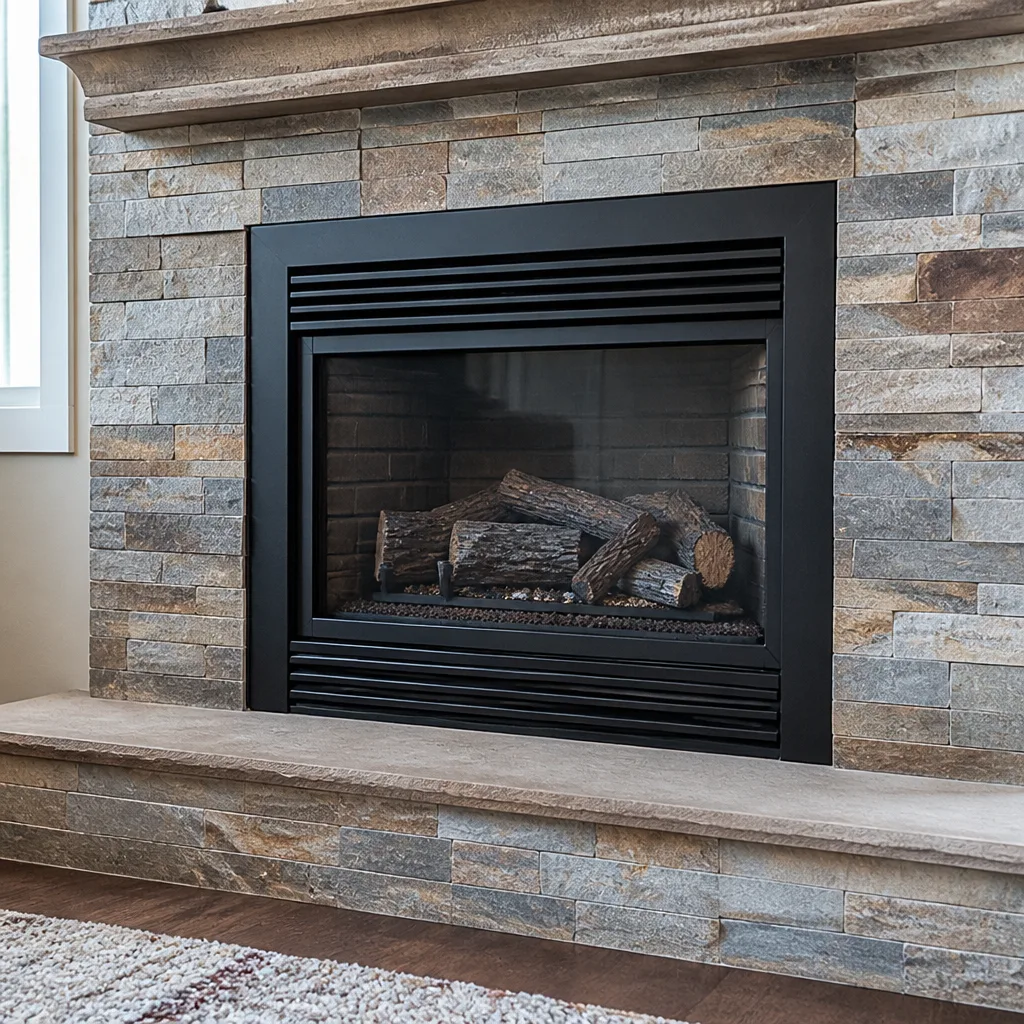 Gas fireplace service
Level 1 sweep and inspection to the NFPA 211 annual standard - flue, crown, cap, and flashing checked and photographed
Chimney sweep logs do not sweep chimneys. They loosen some creosote - which then falls where a brush and vacuum still have to collect it.
Seasonal Chimney Cleaning Care for Encino: Year-Round Homeowner’s Guide
Most Encino homeowners assume their chimney is fine because they only light a fire a handful of times each winter. That assumption is the problem. A fireplace used six evenings over a mild Encino winter can build the same sticky, stage-two creosote as one burned thirty times in a genuinely cold climate, because short, low-temperature fires never get hot enough to combust the gases that condense inside the flue. Occasional use feels gentle. In practice it’s the harshest thing you can do to a chimney. This guide covers what actually happens to an Encino chimney across all twelve months, why the fall sweep matters more here than in cold country, how to read your system after a Santa Ana wind event, and how to burn cleaner in a climate that never forces you to learn.
Quick Answer
In Encino, a chimney should be swept and inspected once a year, ideally in September or October before the first fire, and given a second visual check after Santa Ana wind season. Mild winters mean fewer fires but lower firebox temperatures, which produces wetter, stickier creosote per burn than cold-climate use. Year-round care means moisture management in summer, wind checks in fall, and a full crown-to-firebox inspection, not just a flue brushing.
Styles & brands we work with
- Sweep & inspection
- Caps & crowns
- Flue relining
- Masonry repair
- Gas fireplace service
Table of Contents
- Why Encino’s Climate Is Harder on Chimneys Than Cold Country
- What Happens Inside an Idle Chimney During Encino’s Warm Months
- The Pre-Season Sweep: Why September and October Matter Most in Encino
- Post-Santa-Ana Inspection: Caps, Crowns, and Flashing
- Summer Maintenance: Caps, Screens, Crown Sealing, and Damper Care
- Adjusting Your Burn Habits for a Mild Climate
- The Encino Year-Round Chimney Calendar
- What a Real Sweep Includes Beyond the Flue
Why Encino’s Climate Is Harder on Chimneys Than Cold Country
The counterintuitive truth is that a chimney in a cold climate often lasts better than one in the San Fernando Valley. A homeowner in a snowy region burns every night from November through March. The flue stays hot, the draft stays strong, and the wood gases combust fully. Creosote deposits are thin and dry. Here in Encino, the fire gets lit for a dinner party, burns for two hours at a moderate temperature, and then sits cold for three weeks. That cycle is what coats a flue in wet, glazed creosote.
Cold-climate chimneys also get a summer break from the temperature swings that damage masonry. Encino’s warm season brings daytime heat and cool Valley nights, a daily back-and-forth that causes mortar joints to expand and contract slowly. Over years, that micro-movement opens hairline cracks in the crown and in the mortar bed. Water gets in. Then the next warm week drives that moisture back out through the masonry face. That evaporation cycle is what eventually spalls brick faces and loosens crown mortar.
In our experience, the Encino chimneys that fail fastest aren’t the heavily used ones. They’re the ones that sat untouched for years because the fireplace “only gets used a few times.” Nothing about that pattern is unusual or the homeowner’s fault. It’s just how mild weather hides deterioration.
Three things to understand about the pipeline before we go further:
- Creosote forms in stages. Stage one is a light soot that sweeps off easily. Stage two is sticky and brown and needs more mechanical work. Stage three is glazed and hardened, and it’s the condition that most contributes to chimney fire risk.
- Mild-climate fires run cool. Even dry wood burned in a small fire produces more condensate than a hot, steady fire does. This is why Encino flues build stage-two creosote faster per fire than you’d expect.
- Idle chimneys still age. Warm-season inactivity isn’t neutral. It’s when water intrusion, pest entry, and mortar fatigue do their work.
The good news is that all of this is manageable with a rhythm. The rest of this guide lays out that rhythm, month by month.
What Happens Inside an Idle Chimney During Encino’s Warm Months
An idle chimney in Encino is not a static object. From roughly May through September, three processes run in the background whether anyone uses the fireplace or not. All three are cumulative, and all three are cheap to prevent and expensive to fix.
Pest Entry
A missing or damaged cap is an open door. Birds nest in flues. Squirrels and roof rats find the warmth and shelter irresistible. In the Valley, the roof rat population alone makes an uncapped flue an active liability. Nesting material blocks the flue and creates a fire hazard the first time you light a fire in October. Screens matter here as much as caps. A cap without a screen keeps out rain but does nothing about birds or small mammals.
Moisture Cycling
Encino’s mild winters still bring rain, and the fall and winter moisture that lands on a cracked crown or a porous brick face gets drawn into the masonry. Warm-season heat pulls it back out. That cycle is what lifts the faces of bricks clean off. Any crack wider than a hairline in the crown, or any soften of mortar in the corbel, is a moisture entry point that will look much worse by the next spring.
Mortar Fatigue From Temperature Swings
Day-night temperature differences in the Valley are real. Masonry is not infinitely elastic. Where mortar meets brick and where the crown meets the flue tile, the joints take the brunt of that movement. Over years, a crown that started as a tight cap of mortar and concrete becomes a crown with a spiderweb of cracks. That’s the pattern to look for every summer.
Three things to check in June or July
- Look at the chimney from the ground with binoculars. Is the cap still seated and screened? Is the crown one solid piece, or is it cracked or eroded at the edges?
- Check for staining. Brown vertical streaks on the outside of the masonry usually mean the crown or flashing has been letting water in.
- Check the firebox. Fine dust and soot falling back into the firebox from above means something is loose inside the flue or at the smoke chamber.
If any of those three checks turns up something, that’s the natural moment to book a chimney inspection, well clear of the pre-season rush. The full diagnostic approach we take is covered in detail on our chimney sweep page.
The Pre-Season Sweep: Why September and October Matter Most in Encino
Every region has a pre-season window, but the case for a September or October sweep is stronger in Encino than in a cold climate. Here’s why. When you sweep in a cold climate in October, you’re clearing lighter, drier deposits from a system that has been actively drafting all year. When you sweep in Encino in October, you’re clearing wetter, stickier deposits left behind from the previous winter’s short, cool fires, plus whatever accumulated from the occasional shoulder-season fire.
The pre-season sweep in Encino has three jobs, not one:
- Remove the creosote load from last season. This is the fire-risk part. A deposit left in place from last February has had eight months to harden and polymerize. That hardening is real. Creosote that would have swept clean in March becomes mechanically stubborn by October.
- Clear pest debris and blockages. If a cap or screen failed at some point in the summer, the sweeping rod and the vacuum are going to pull out nesting material that would otherwise catch fire the first night you use the fireplace.
- Inspect the crown to firebox, not just the flue. This is where sweeping-only service falls short of a real inspection. The pre-season check should cover the crown, the flue liner, the smoke chamber, the damper, the firebox, and the exterior masonry. It should include a camera pass inside the flue so the technician can actually see the liner joints, not just guess at them.
We push for this inspection-first rhythm because it’s the honest sequence. Sweep and look. Then, based on what’s actually there, decide whether anything needs repair. Not the reverse. A chimney inspection is a standalone diagnostic in our work, and we hand over the camera findings so the homeowner sees what we see.
What a September or October slot gets you
- Time to schedule any repair work before the family wants to use the fireplace on a cool evening.
- Time for materials to arrive. A DuraFlex liner or a HeatShield resurfacing isn’t an off-the-shelf pickup.
- The best weather window of the year for exterior work. Crown repairs, cap replacement, and flashing work go faster in October in Encino than inside a summer heat wave.
By November, that window starts closing. Booking in September or early October is the single highest-value habit in this entire guide.
Post-Santa-Ana Inspection: Caps, Crowns, and Flashing
Santa Ana events are the single biggest exterior threat to an Encino chimney, and most homeowners don’t think about them until they hear something rattling. High-velocity, dry, hot wind off the interior does two things to chimney exteriors: it pries at everything that’s loose, and it dries out mortar faster than normal ambient conditions do.
The three vulnerable components, in order of risk:
- Caps. A cap is held on at a few points and carries real surface area. Sustained wind finds the weak attachment. A cap that lifts, tilts, or disappears opens the flue to weather and pests in one afternoon.
- Crowns. The crown is the concrete or mortar cap at the very top of the chimney. If it already has hairline cracks from moisture cycling, a Santa Ana wind event can turn hairline into open. Once open, water enters the flue from the top down, which is the worst direction.
- Flashing. The metal seal where the chimney meets the roof is already under stress from normal thermal movement. High wind events pry at the edges. A lifted flashing edge is a slow roof leak that shows up as a stain on the ceiling weeks later.
Post-wind-event inspection: a quick checklist
- Walk the exterior of the house and look at the chimney from the ground. Is the cap still square and seated?
- Look for new shingles or roofing material at the base of the chimney, or anything on the ground that came off the roof.
- Get on a ladder-free vantage point (from a second-story window or across the yard) and look at the crown. Any new visible cracks or crumbling at the edges mean it needs eyes on it.
- Look at the interior ceiling and walls near the chimney chase for water stains after the first rain following a wind event.
- Ask a technician to look at the cap and crown attachment before winter rains start.
The repair itself is often modest. A cap that was replaced or re-secured, a crown crack that’s sealed with a proper crown coating, a flashing edge that’s re-set. Repairing in this phase costs a fraction of what the same water damage costs after a winter of intrusion. Our chimney cap & crown page covers the material options, including the name-brand components we install for these repairs.
Summer Maintenance: Caps, Screens, Crown Sealing, and Damper Care
Summer is the quiet season for fires and the busiest for maintenance. In Encino, June through September is the window to address everything that winter and the Santa Anas wore down. It’s also when the work goes faster because the weather cooperates.
Cap and screen inspection
Get eyes on the cap every summer. The single most common summer issue in Encino chimneys is a screen that has started to sag or pull away from the cap frame. A sagging screen lets small birds in. It also makes the cap more vulnerable to the next wind event because it’s become an asymmetric anchor point. If the cap is more than a decade old and rusting at the seams, that’s a replacement conversation, not a repair one.
Crown sealing
The crown is where moisture intrusion begins. A proper crown coating seals hairline cracks and re-establishes a drainage surface so water sheds off the edges instead of soaking through the middle. We use ChimneySaver Crown Coat for this. It’s an elastomeric coating made specifically for chimney crowns, not a general-purpose masonry sealer, and it flexes with the temperature swings that create the cracks in the first place. That’s the “no generic substitutes” principle applied to a very specific product. Crown sealing every few years, timed to the summer, is one of the highest-return habits on this list.
Damper care
The damper is the door at the base of the chimney, and it spends eight months of the year closed in an idle Encino chimney. That’s eight months of heat and dry interior air working on a mechanical joint that hasn’t moved. Dampers stick. A damper that no longer seats properly is a functional loss in two directions: it doesn’t seal properly in summer (letting hot air and pests in through the closed damper), and it doesn’t open cleanly on the first fire of the season. Cleaning and lightly lubricating the damper mechanism each summer prevents that. If you haven’t opened the damper since last winter, do it in June or July while it’s easy to address.
The full summer checklist
- Cap: seated, screened, no rust-through at the seams.
- Crown: intact at the edges, hairline cracks sealed, no material loss.
- Damper: opens fully, seats tightly, operates smoothly.
- Firebox: no new cracks in the firebrick, no mortar joints pulling away from the firebox walls.
- Exterior masonry: no new staining, no spalling brick faces, no sill plate separation.
If the firebox itself has visible lining issues, that’s a separate topic. Our fireplace repair page walks through what those repairs typically involve, and which name-brand materials we install.
Adjusting Your Burn Habits for a Mild Climate
The fastest way to slow creosote buildup in a mild climate is not the sweep, it’s the fire. Burning technique matters more here than in cold country because Encino fires are, by default, short and low-temp. The fix is to burn hotter and less frequently, rather than cooler and more frequently. Four habits do most of the work:
Wood species
Hardwoods burn hotter and cleaner than softwoods. Almond, oak, and other dense hardwoods are the right choice for an Encino fireplace. Softwoods, in particular anything resinous, produce more creosote per hour than hardwoods at the same fire temperature. If you buy a delivered cord, ask what species is in the load. A mixed delivery is fine, but the load should be mostly hardwood.
Wood moisture
Seasoned firewood, split and stacked and left to dry for a full warm season, burns far cleaner than green wood. In a mild climate, the instinct is to buy wood close to the fire season. Which means it’s often only partially dry. Buy wood in spring, stack it for the summer, and it will be ready in October. That’s a small planning habit that pays off every year.
Fire temperature
Short, lazy fires produce more condensate. A faster, hotter burn is cleaner. Get the fire up to a good draft quickly with dry kindling, then sustain it with two or three logs rather than one. Don’t smolder. Don’t let the fire sleep with the damper half open.
Load size
Small, frequent fires are the default in Encino because the house doesn’t need much heat and the fire is more atmosphere than utility. That’s fine as a use pattern, but each of those fires leaves a little more condensate. Larger fires, less often, are the cleaner way to enjoy the fireplace.
In our experience, homeowners who change only two or three of these habits cut their year-over-year creosote build noticeably, but that’s the kind of thing a camera inspection or the sweep itself reveals. We tell you what we find, not what to worry about.
The Encino Year-Round Chimney Calendar
Here’s the whole guide in calendar form. Keep this, pin it to the inside of a cabinet, and it will do the work of remembering for you.
- Late spring (May or June). Do the summer checklist: cap, screen, crown, damper, firebox. This is when any repair that needs materials has the most runway.
- Summer (July or August). Crown sealing if the crown has hairline cracks. Damper lubrication. Any roof-level work gets done in the best weather window of the year.
- Early fall (September or October). Annual sweep and full crown-to-firebox inspection, ideally with a camera pass inside the liner. Address any repair findings before the fireplace season starts. Book early because every Encino homeowner eventually wants this slot.
- After any significant Santa Ana wind event. Quick exterior look at the cap, crown, and flashing. Book a technician if something looks wrong.
- Winter (as used). Burn hot, small loads, seasoned hardwood. Don’t smolder.
- End of winter (February or March). Close the damper and note anything you noticed during the season. Any “that didn’t look right” is worth mentioning to the technician at the September sweep.
That’s the entire rhythm. Two appointments a year, most years, one of them optional. The system stays cased, quiet, and ready.
What a Real Sweep Includes Beyond the Flue
A full-service chimney visit covers seven components, not one. Here’s what should be on the checklist, and what the difference actually is between a sweep and an inspection that catches problems.
The seven components
- Crown. Looked at, and repaired or sealed if needed.
- Flue tile and liner. Swept, and inspected with a camera inside the flue so the condition of the liner is verified, not assumed.
- Cap and screen. Checked for attachment, screens, and ventilation.
- Smoke chamber. This is the sloped shelf above the damper, and it’s where a lot of creosote collects out of the sweep rod’s reach. It needs to be looked at and cleaned.
- Damper. Operationally tested.
- Firebox. Firebrick and joints checked for cracking.
- Exterior masonry and flashing. Looked at from outside, since water intrusion and pest entry both start at the exterior.
Where repair becomes part of the conversation
A sweep-and-inspection visit often ends there. Sometimes it doesn’t. The most common findings that push a visit into a repair phase are:
- A liner with joints pulling apart, or a liner that’s the wrong size or the wrong material for the appliance.
- A crown that has been water damaged long enough to need more than a coating.
- Firebox lining that needs spot repair or rebuilding.
- A smoke chamber that needs parging (resurfacing the sloped walls so it drafts properly).
For each of those, the proper question isn’t “is this the cheapest fix,” it’s “what’s the right material, and is it available?” This is where we name the products. A DuraFlex flexible stainless-steel liner is the right relining choice for most masonry chimneys because it provides a code-compliant continuous flue without full rebuild cost. HeatShield ceramic resurfacing is the right repair for a liner that’s still structurally sound but has lost its smooth interior face, because it restores rather than replaces. Famco, Copperfield, and Olympia Chimney supply cap, crown, and fireplace components we use because the traceability matters. Every one of those product decisions gets made after the inspection, not before it.
Common Mistakes to Avoid
- Assuming low-use means low-risk. Skipping the annual sweep because the fireplace only gets used six times is the single most common Encino mistake. The short, cool burns leave wetter creosote per fire, so the flue can accumulate deposits faster than a heavily used one in cold country.
- Buying firewood in October. Wood purchased at the start of fire season usually hasn’t been dried a full summer. It burns cooler and dirtier. Buy in spring, stack for the summer, burn in fall.
- Ignoring the crown because the fire still drafts fine. A cracked crown doesn’t affect draft until water damage reaches the flue. By then a coating-sized repair has become a masonry repair. Look at the crown every summer.
- Not looking after the Santa Anas. A cap that has started to tilt after a wind event looks “mostly okay” from the ground. It isn’t. Book a technician to look.
- Sweeping the flue and calling it done. The flue is one of seven components. Cap, crown, smoke chamber, damper, firebox, and flashing all belong on the checklist, and any one of them can be the actual problem.
- Choosing a sweep-only service and stopping there. A clean flue with a failed cap and a cracked crown is not a safe system. The sweep clears the past; the inspection tells you what’s coming.
- Not naming the materials. If a technician can’t tell you what liner, what crown coat, or what cap they’re installing, that’s a reason to ask more questions before booking.
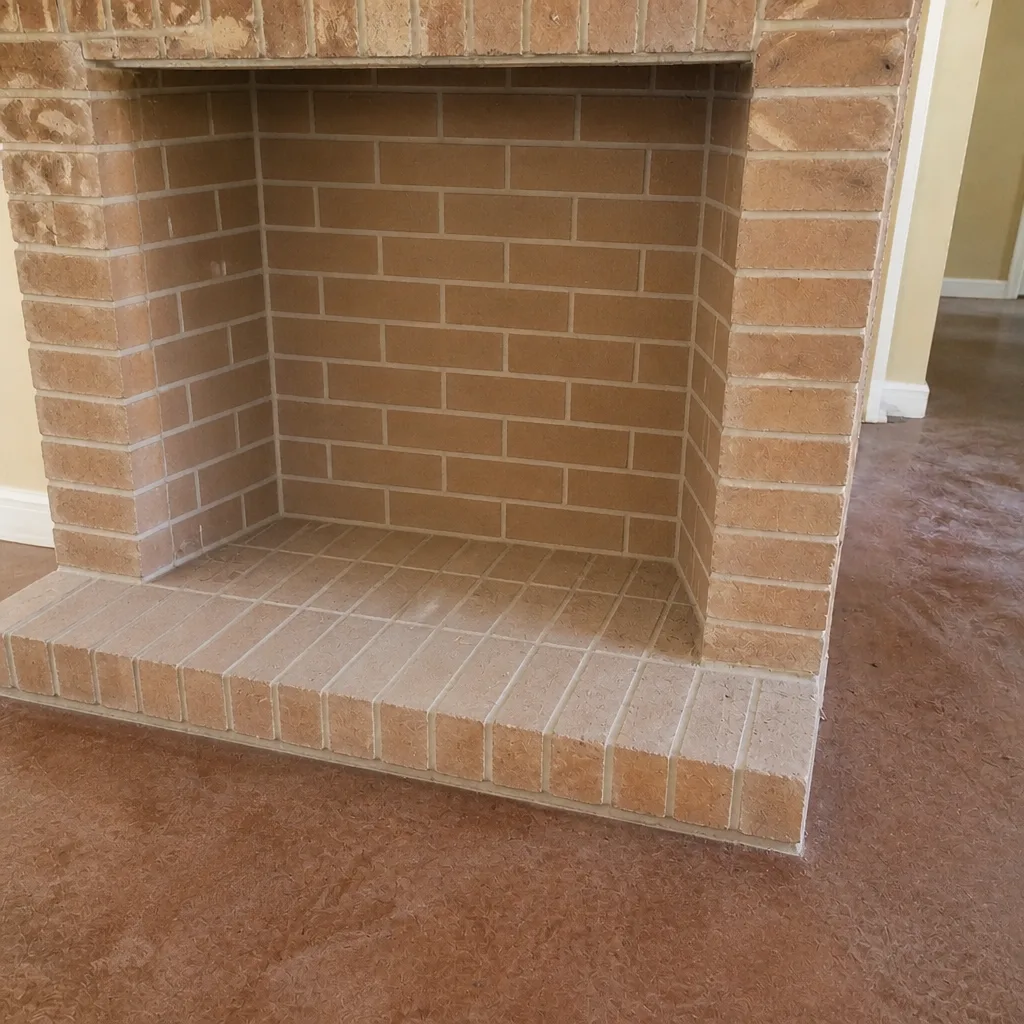
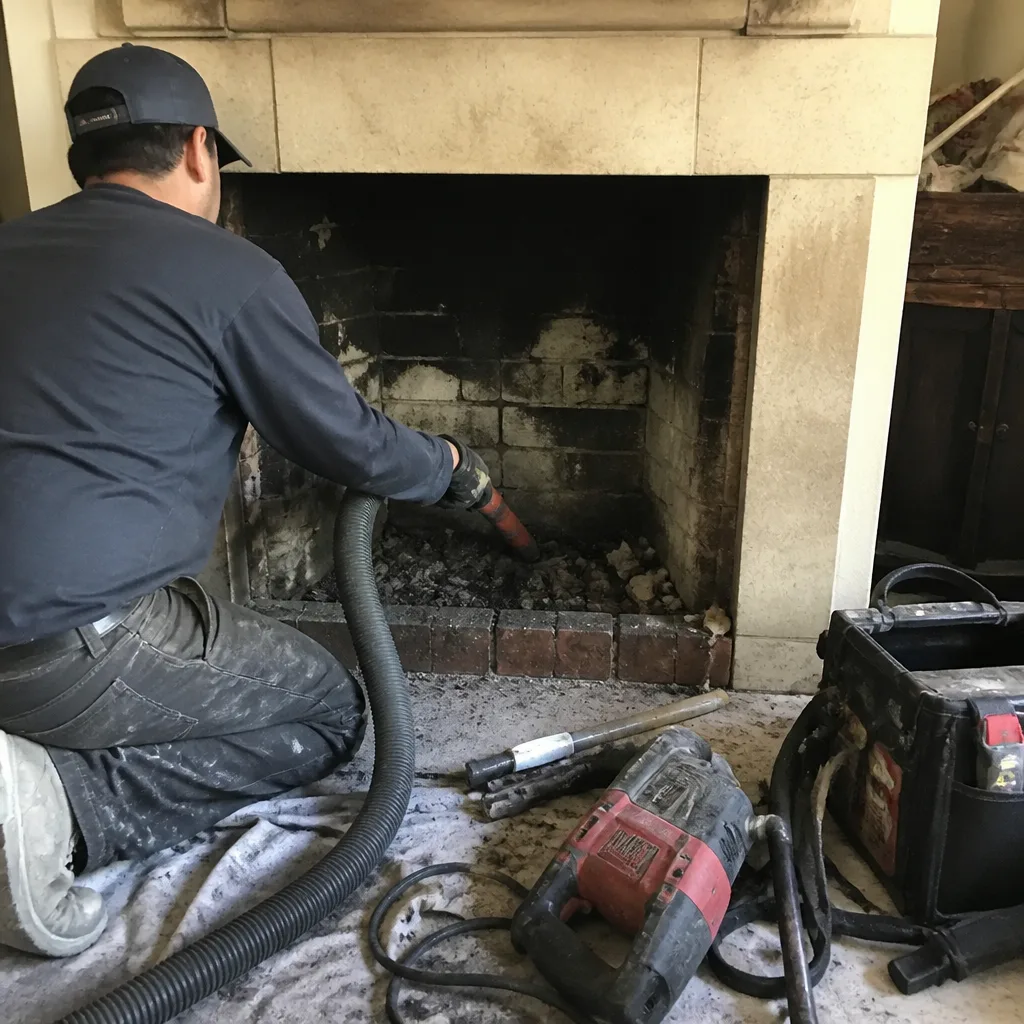
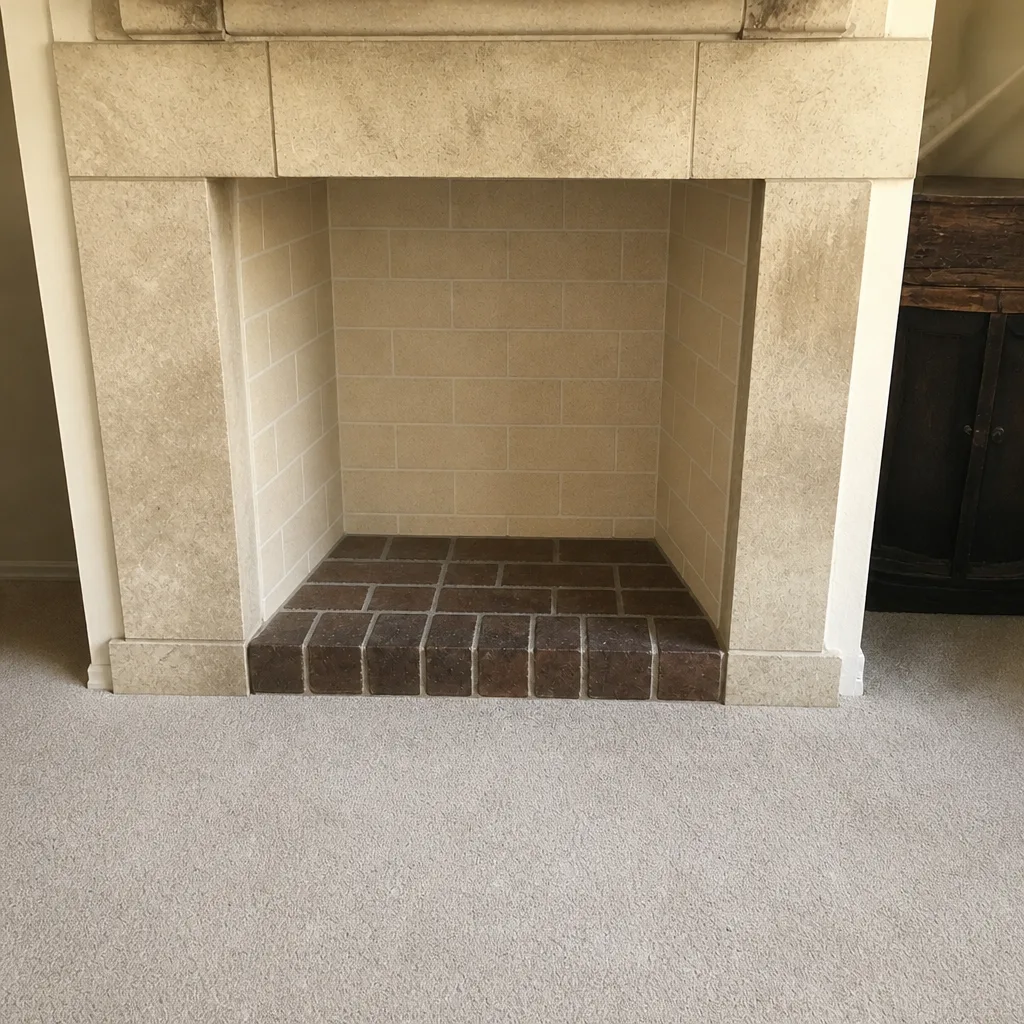
See the difference
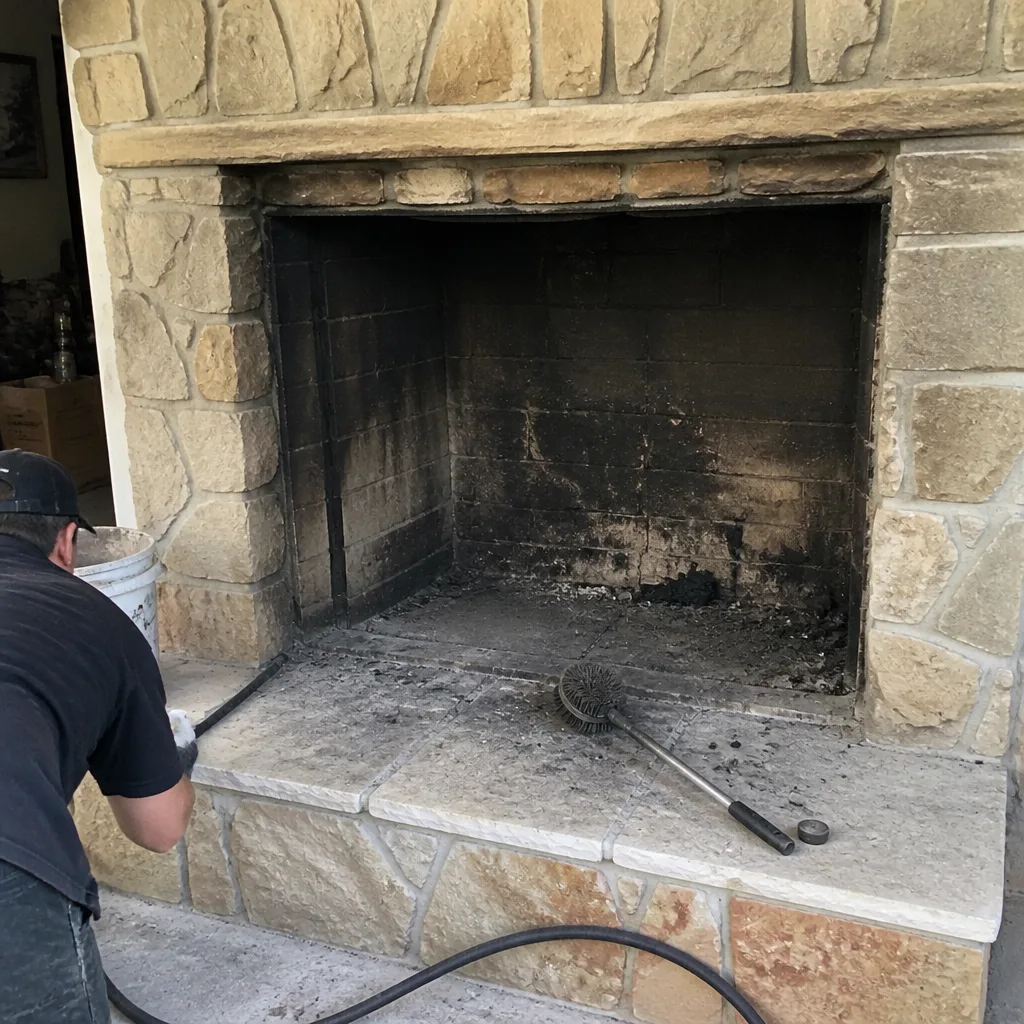 Before
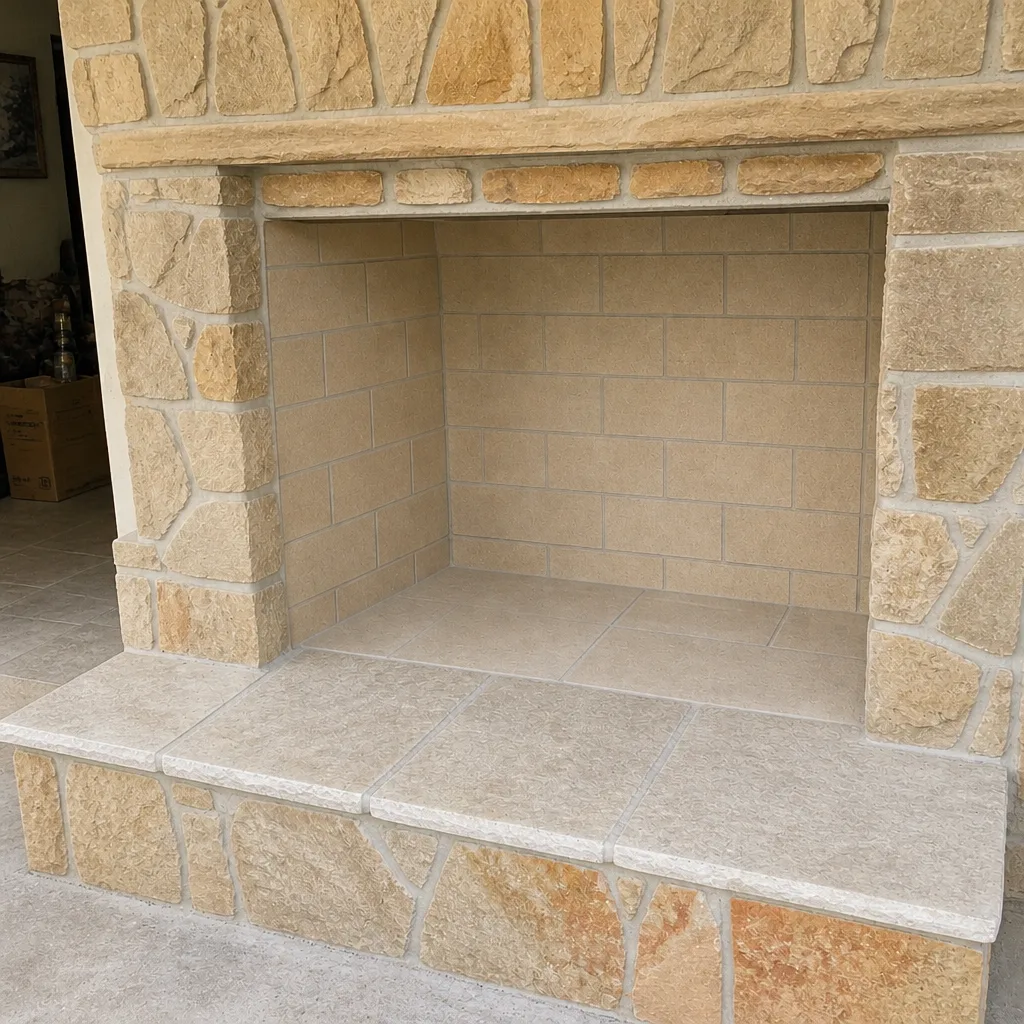 After
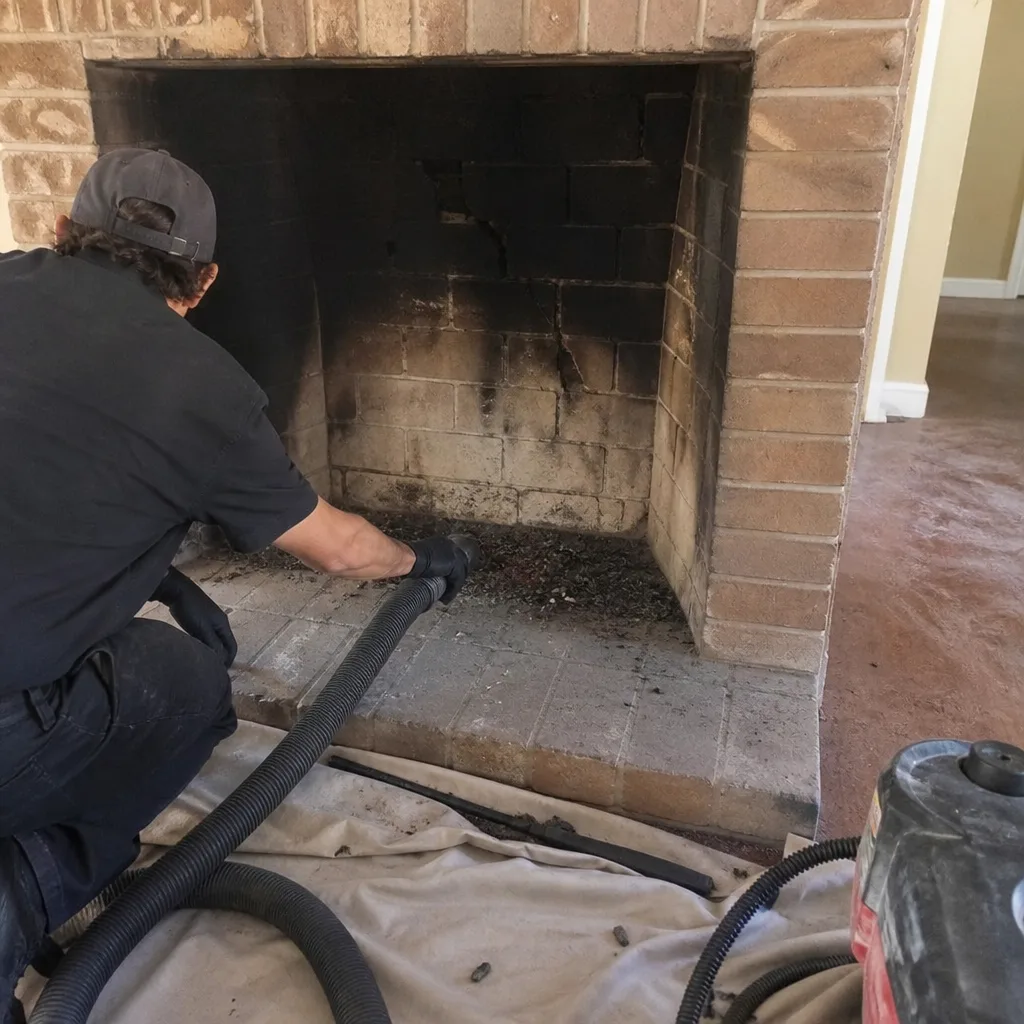 Before
 After
 Before
 After
When to Call a Professional
Some of what this guide covers is owner-level looking. Some of it is not. Call a professional if any of the following is true. You can see new cracks in the crown, or the crown looks eroded at the edges. The cap has lifted, is missing, or the screen is torn. You’ve experienced a Santa Ana wind event and haven’t looked at the cap and flashing since. You can see water stains on the interior near the chimney chase, or brown streaks on the exterior masonry. The firebox has cracks in the firebrick, or the mortar joints have pulled away. The last sweep was more than a year ago. Any creosote deposit is glazed and hardened. Any chimney work is at height where ladders, fall risk, or the danger of liner work on a hot roof make DIY genuinely dangerous. High-tension springs don’t apply here, but climbing a ladder onto a roof to inspect a cap and crown does. That’s a trained-professional job, not a homeowner job, and it’s not a job where “I’ll just take a quick look” is the right plan.
Chimney Sweep Encino offers free estimates in Encino. Call (833) 925-1856. We answer 24/7. Fast dispatch from 7am to 7pm, Sunday through Friday. Our technicians have up to 9 years of experience, and the local pro who comes to your home is licensed and insured as the state requires.
Frequently Asked Questions
Once a year is the right rhythm for a regularly used wood-burning fireplace in Encino, ideally in September or October before the first fire of the season. Homes that burn only occasionally still need the annual sweep, because short cool fires deposit wetter creosote per burn. Any chimney with significant stage-two or glazed creosote should be swept more often. Call (833) 925-1856 for an estimate on a sweep and inspection.
Yes. A sweep clears deposits out of the flue, but it doesn’t tell you the condition of the cap, crown, liner joints, smoke chamber, firebox, or flashing. Those are the parts that fail silently and cause the expensive problems. The inspection is what tells you whether the system is actually sound. Chimney Sweep Encino treats inspection as a standalone diagnostic, not a sales funnel for repair work, and we hand the camera findings to the homeowner. Call (833) 925-1856 for a free estimate.
Nothing dramatic happens in most cases, which is the problem. Creosote hardens and becomes harder to remove. The crown develops a few more hairline cracks. A screen sags. The chimney keeps working. Then one winter the first rain after a Santa Ana puts water into a crown crack that’s been widening for three years, and a repair that could have been a crown coat needs actual crown work. Skipping a year is rarely catastrophic. Skipping three or four is when it becomes expensive.
Per fire, yes. Cooler burns and shorter burns leave more condensate in the flue than steady hot fires do. Per year, it depends on how much the homeowner burns. A cold-climate home that burns nightly for five months and gets swept every year builds less problematic creosote than an Encino home that burns occasionally and skips sweeps. That’s why the pre-season sweep matters more here, not less.
A full sweep should include the flue, the smoke chamber, the damper, the firebox, the crown, the cap and screen, and the exterior masonry and flashing. It should also include a camera inspection of the flue liner, so the technician can show the homeowner the actual condition of the liner joints. A sweep that’s only a brushing is half the job, and the other half is where the surprises live. Call (833) 925-1856 for an estimate that covers the full system.
You know after inspection, not before. A liner needs replacing when its joints have separated, when it has cracked or lost a meaningful amount of interior surface, or when it’s an undersized or wrong-material liner that no longer meets code for the appliance connected to it. A liner that’s structurally sound but has lost its smooth interior face is often a candidate for HeatShield ceramic resurfacing rather than full replacement. We only ever recommend a liner repair or replacement based on camera evidence the homeowner can see. Call (833) 925-1856 for an inspection estimate.
The Bottom Line
The rhythm that keeps an Encino chimney safe is simple. A pre-season sweep and inspection in September or October. A camera check on cap and crown after Santa Anas. A summer pass on the crown, screen, and damper. And a burning habit built on dry hardwood, moderate fire temperatures, and small-but-not-tiny loads. That’s the whole system. The mild climate doesn’t need to be an excuse to skip maintenance, it’s a reason to pay closer attention to it. The fires are fewer; the per-fire creosote is higher. Small decisions every year keep the chimney quiet. Call (833) 925-1856 for a free estimate in Encino, and we’ll schedule your pre-season visit before the fall rush.
Written by the team at Chimney Sweep Encino.