
Last updated November 22, 2026
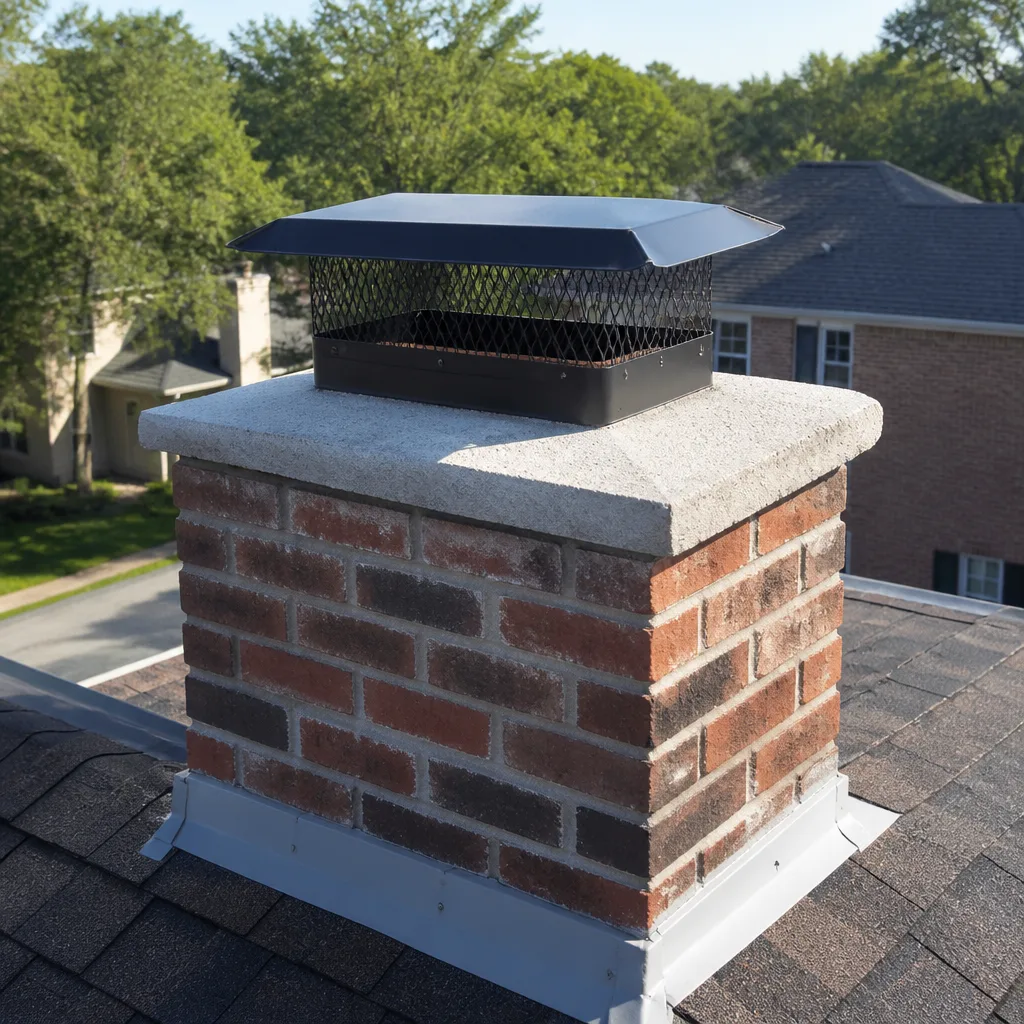 Sweep & inspection
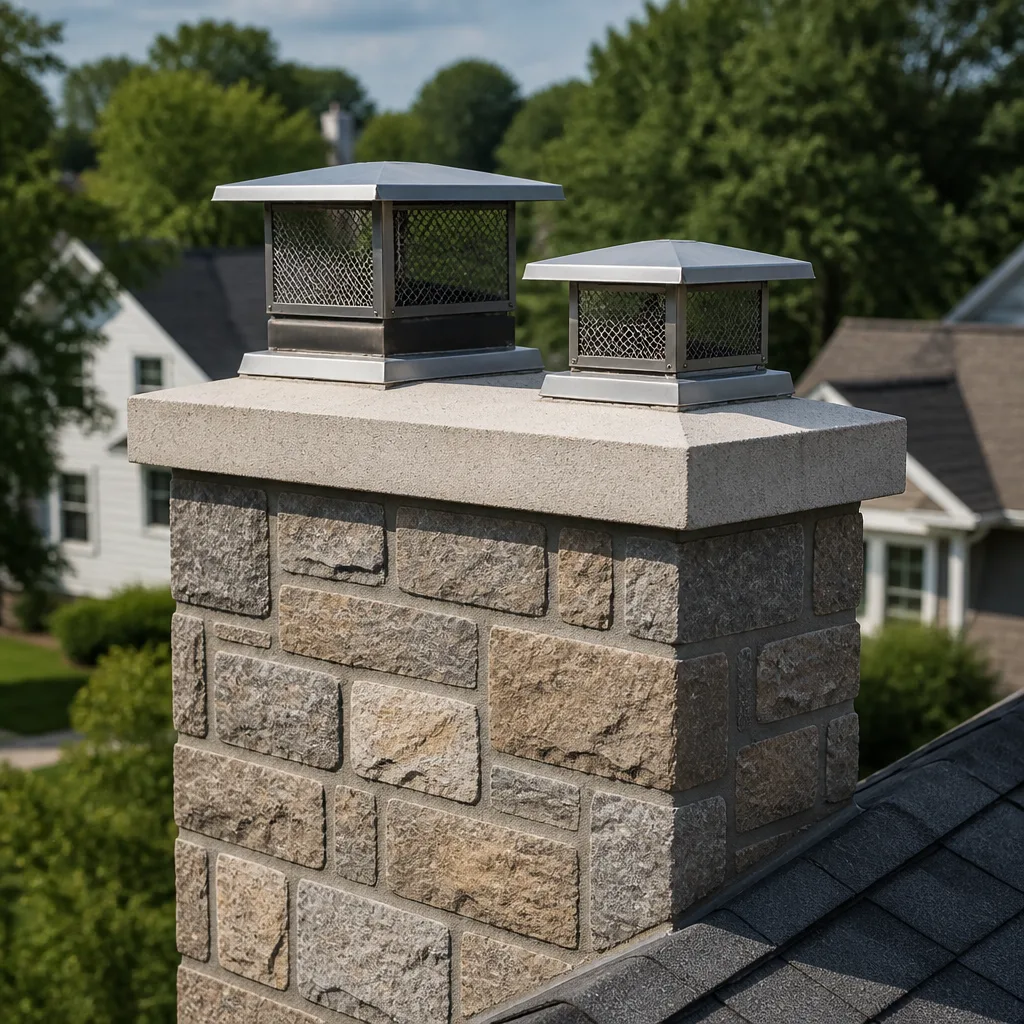 Caps & crowns
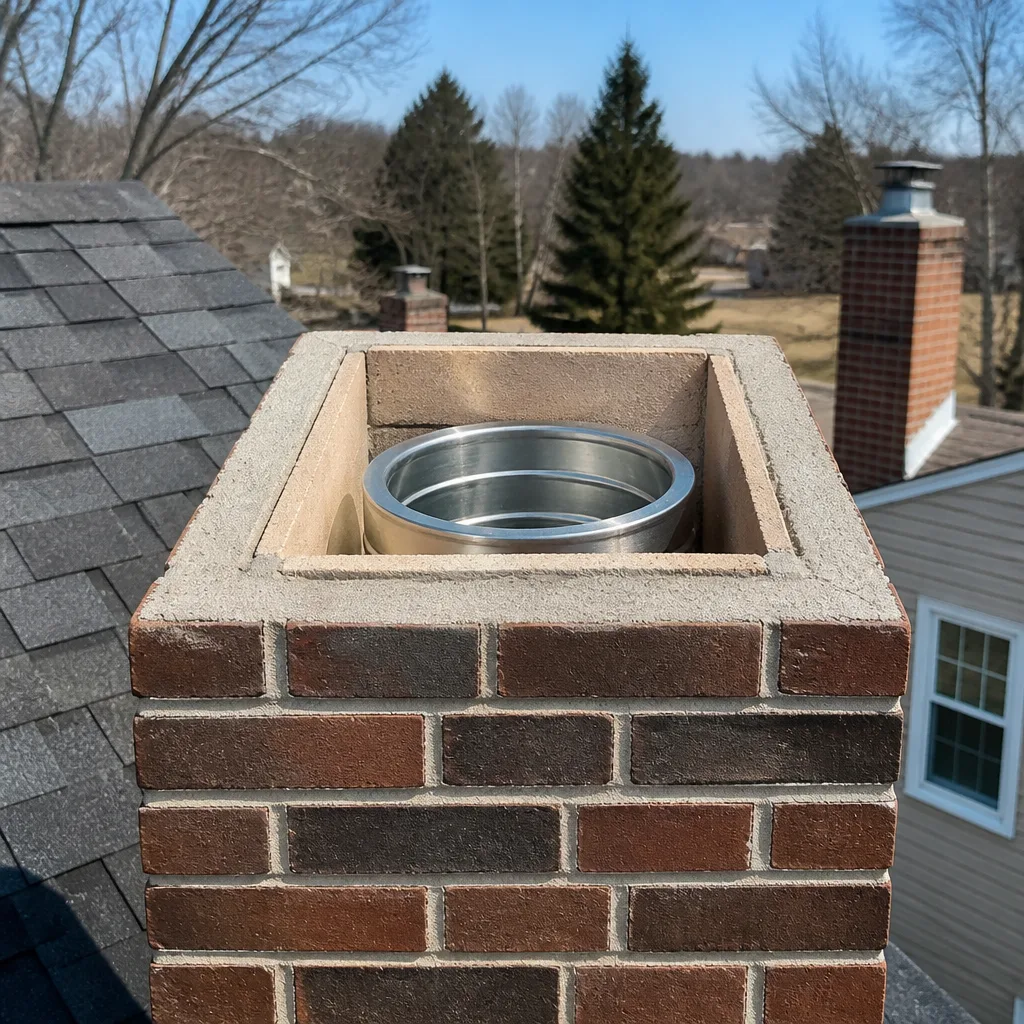 Flue relining
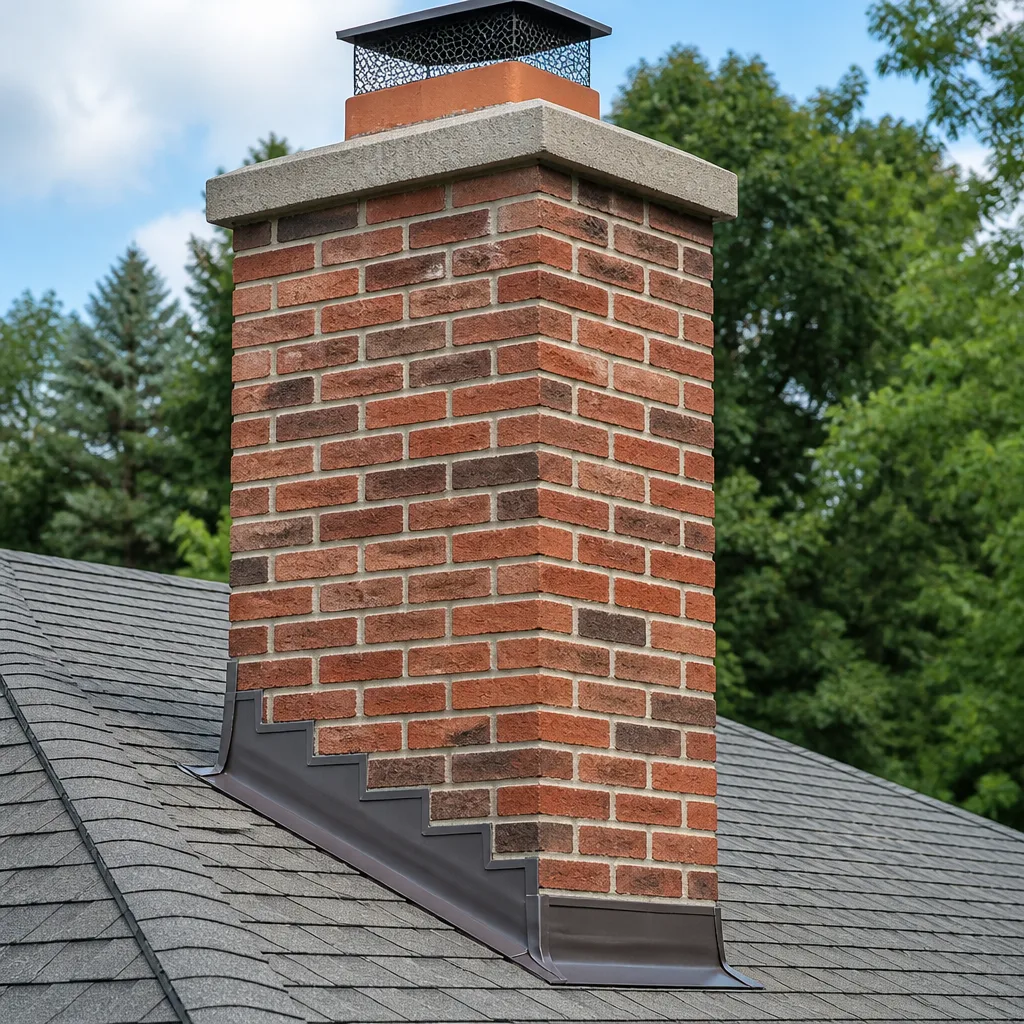 Masonry repair
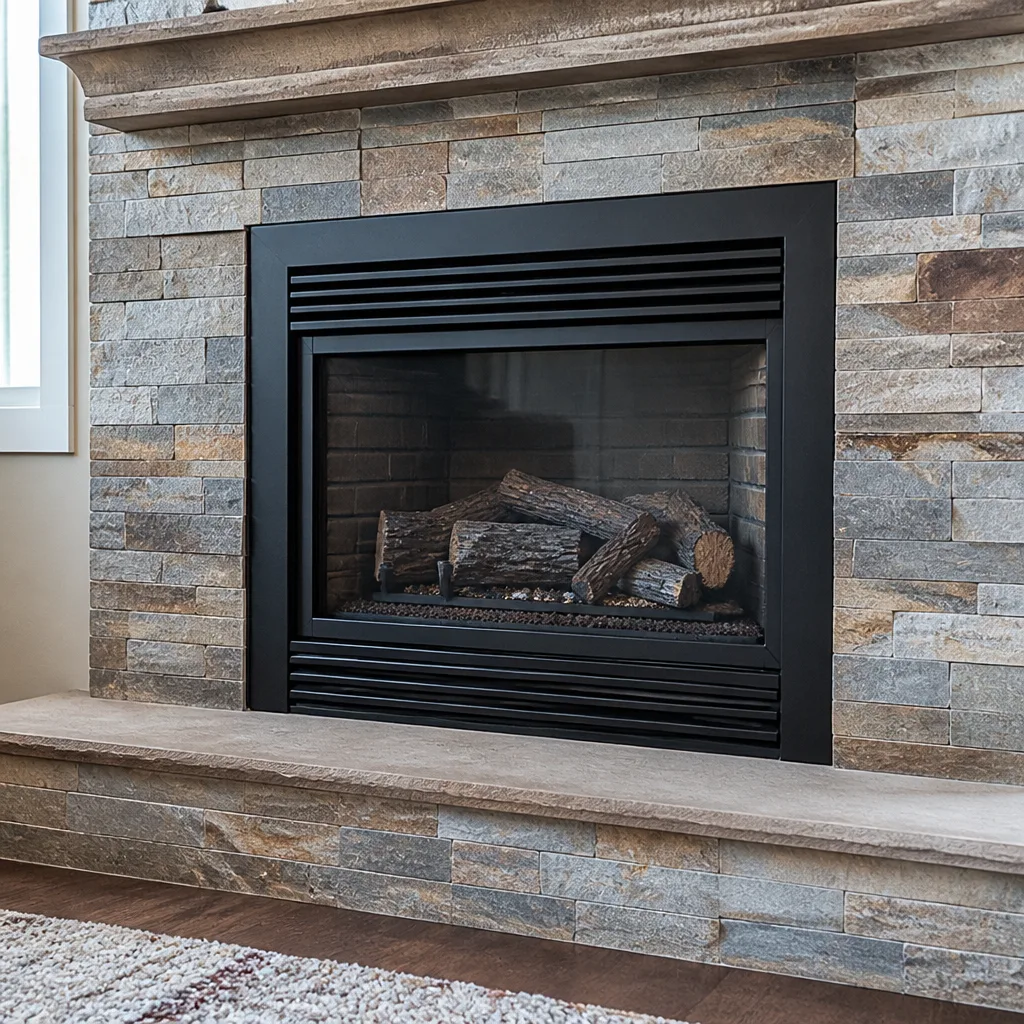 Gas fireplace service
Level 1 sweep and inspection to the NFPA 211 annual standard - flue, crown, cap, and flashing checked and photographed
Chimney sweep logs do not sweep chimneys. They loosen some creosote - which then falls where a brush and vacuum still have to collect it.
Chimney Cleaning Emergency Preparedness Guide for Encino Homes
The chimney fire that does the most damage is usually the one nobody sees. It can burn inside the flue at around 2,000°F while the homeowner sits in the living room, unaware, until the liner cracks and heat transfers to the wood framing beside it. Most Encino households are well drilled on earthquake kits and wildfire evacuation routes, and that instinct is worth keeping. But the chimney is the one part of the house that carries its own emergency scenarios, with their own response rules, and almost nobody rehearses them. This guide covers how to recognize an active flue fire from inside the house, what to do in order before the fire department arrives, why a chimney that looks fine after a tremor can still be unsafe, and the preparation steps that keep these situations from starting in the first place.
Quick Answer
Chimney emergency preparedness in Encino comes down to three things: knowing the inside-the-house signs of a flue fire (a low rumble, a hot smell, discolored paint on the chase), closing the damper and the fireplace opening rather than opening them, and getting a Level 2 inspection before you light another fire after any chimney event or significant earthquake. Preparation matters more than reaction, though. A properly fitted cap, a working damper, and an annual chimney sweep prevent the majority of the emergencies we get called about.
Styles & brands we work with
- Sweep & inspection
- Caps & crowns
- Flue relining
- Masonry repair
- Gas fireplace service
Table of Contents
- How to Recognize an Active Chimney Fire From Inside
- What to Do in Order When a Flue Fire Starts
- Post-Earthquake Chimney Protocol for Encino
- What a Level 2 Inspection Covers After an Event
- Preparedness Measures That Lower Your Risk
- Burning Season in the San Fernando Valley
- Common Mistakes to Avoid
- When to Call a Professional
- Frequently Asked Questions
How to Recognize an Active Chimney Fire From Inside
A chimney fire has two personalities, and only one of them is obvious. The dramatic version sends flames and sparks from the top of the chimney and produces a roar like a freight train. The quiet version is the one that catches people off guard, because everything from the living room looks normal. The fire is consuming creosote inside the flue, starved of the oxygen it would need to become visible, and radiating heat straight into the masonry or the metal liner.
Watch and listen for these signals from inside the house:
- A low, steady rumble. It sounds more like a distant jet or a strong wind than a crackling fire. It doesn’t stop when you close the glass doors.
- A hot, sharp smell. Burning creosote has a distinct acrid bite, closer to hot tar or scorched metal than wood smoke.
- Flue surfaces that stay hot long after the fire dies down. A flue that is still radiating heat an hour after the last log burned is telling you something burned inside it that wasn’t a log.
- Discolored or blistered paint on the chimney chase, or heat-stained siding near it. This is heat transferring through the structure, and it’s the sign that matters most.
- Puffy, honeycombed creosote visible at the flue collar or in the firebox. That’s the fuel load that feeds a flue fire, and it builds up quietly.
- A damper that warps or won’t move freely. Extreme heat in the flue can distort the damper frame.
One signal alone is reason enough to act. Several together is an emergency. The core of the problem in Encino is the same as anywhere else: creosote accumulates in layers, and the glazed, third-degree stage is the one that ignites at the lowest temperature. You can’t judge creosote depth or stage from the firebox, no matter how closely you look. That’s a job for a sweep with a camera and a rod, and it’s the reason we treat an annual Chimney Sweep Encino visit as maintenance rather than a luxury.
What to Do in Order When a Flue Fire Starts
The instinct that fails people is opening the damper. It feels like the right move, like opening a window in a smoky room, and it’s exactly wrong. A fully open damper feeds the fire a column of oxygen and can turn a contained flue fire into an uncontrolled one. Here is the sequence that works, in order:
- Get everyone out of the house and call 911. This comes first, before anything else on the list. A flue fire is a fire inside your home’s structure until proven otherwise.
- Close the glass doors on the fireplace, and close the damper if you can reach it safely. Starving the fire of air slows it. Do not open the firebox to look.
- Do not put water on it. Water on a hot firebox or a ceramic liner can crack either one, and ceramic cracking under thermal shock is a repair you don’t want.
- Move vehicles and anything combustible away from the chimney exterior if you can do so without re-entering the house to reach them.
- Watch the top of the chimney from outside for sparks and embers landing on the roof or in dry vegetation, and be ready to tell the fire department what you saw.
- Do not use the fireplace again until it has been inspected. This is the step people skip, and it’s the one that matters most for what happens next.
One important note on damage versus danger: a chimney fire that was over in a minute may have done nothing to the structure, or it may have cracked the inner face of a clay liner. You cannot tell from the outside. A Level 2 inspection with a camera is the only way to know, and we don’t recommend repairs until we’ve shown you the footage. In our experience, homeowners in Encino are rightly skeptical of anyone who walks in with a liner quote before they’ve looked up the flue.
Post-Earthquake Chimney Protocol for Encino
Encino sits in a seismic zone, and every household here knows the drill for the building itself: check for gas leaks, check the foundation, check for cracks. The chimney gets left off the list, and it’s the one component most likely to be damaged by a tremor without anything visible from the ground. A masonry chimney is a tall, unreinforced stack of heavy material sitting on a footing and strapped to the house at a few points. Shaking stresses every one of those joints.
Here’s what a post-earthquake chimney check looks like, in order of what you can observe safely:
- Look at the roofline from the ground. A chimney that has visibly shifted, tilted, or separated from the chase is unsafe to use and needs evaluation.
- Look for fallen or displaced bricks and mortar at the base of the chimney, and for cracks running through the mortar joints in the visible section above the roof.
- Check the firebox and the smoke chamber for new cracks, loose bricks, or gaps where the firebox meets the surround. These are the interior surfaces that take the most heat.
- Look at the cap and crown for movement. A crown with a new crack lets water into the structure, and a cap knocked loose stops keeping out rain, birds, and debris. If either looks wrong, that’s chimney cap & crown work before the next fire.
- Do not light a fire until a professional has confirmed the flue is sound. A chimney that looks intact can have a cracked liner, and a cracked liner passes heat and gases straight into the framing and the living space.
The cracked-liner-after-a-tremor scenario is the one that catches Encino homeowners. The visible masonry can be perfectly fine while the clay tiles inside the flue have sheared. Carbon monoxide from a fire in a compromised flue has a clear path into the house, and it’s odorless. This is the reason every significant tremor is a reason to schedule an inspection rather than a reason to hope. Our technicians have up to 9 years of experience with exactly these post-event evaluations, and we tell you what we find, including when the answer is that your chimney is fine.
What a Level 2 Inspection Covers After an Event
A Level 2 inspection is the standard post-event evaluation, and most homeowner insurance policies require it before the chimney is put back into service after a fire, a tremor, or a structural change to the home. Unlike a basic visual check from the ground, a Level 2 inspection covers every accessible surface of the flue and the firebox, including the parts you can’t see from either end.
Here’s what it involves:
- A video scan of the full flue length, from the firebox up to and past the crown, looking for cracks, gaps, spalling, offsets, and creosote condition. This is the diagnostic core of the visit, and the camera footage is what we base any recommendation on.
- An inspection of the firebox, smoke chamber, and damper, including the joints and the connection where the firebox meets the flue.
- An inspection of the chimney exterior: crown, cap, flashing, and the mortar joints in the visible stack, plus the space around the chimney where it passes through the roof.
- A check of accessible attic and crawlspace areas where the chimney passes through, for staining, heat damage, or moisture intrusion.
- A plain-language condition report with the video and photos, so you can see what we saw rather than taking our word for it.
What we look for in the flue scan depends on the liner type. Original clay-tile liners in the older Encino homes we see are prone to cracking at the joints under thermal stress, and stainless systems can develop seam separations or corrosion at the connections. If the flue turns out to be compromised, a DuraFlex flexible stainless liner lets us restore it to a code-compliant condition without rebuilding the chimney, and it’s one of the materials we name rather than leaving anonymous. Where the flue is structurally sound but the interior surface is rough or spalling, HeatShield ceramic resurfacing restores it from the inside, a factory-trained process most sweep-only services don’t offer. Either way, the inspection comes first and the repair conversation comes second.
Preparedness Measures That Lower Your Risk
Most chimney emergencies start with a preventable condition, and the fixes are mostly unglamorous. In the Encino homes we work on, three measures do most of the work. The first is a proper cap. A correctly fitted cap with a mesh spark arrestor keeps rain, birds, squirrels, and leaves out of the flue, which means less moisture in the creosote and fewer blockages that cause smoke and carbon monoxide to back into the house. A loose or missing cap is a common find on a first visit. We fit caps and crown components from brands like Copperfield and Olympia Chimney, so you know what’s on your roofline and so does any future inspector.
The second is a damper that actually seals. A top-sealing damper closes the flue at the top of the chimney rather than the bottom, which keeps out drafts, animals, and rain even when the fireplace is cold. A bottom damper that has rusted open is an open invitation for cold air and debris. The third is the inspection interval. The industry standard is an annual inspection for any chimney in regular use, with a sweep whenever the creosote reaches the level that needs removal. For a household burning several cords a season, that means a sweep before the first cold snap, not after.
Beyond those three, here’s the checklist we ask Encino homeowners to run through before burning season:
- Seasoned, dry firewood only. Wet wood smolders and produces far more creosote than dry wood. Split, stacked, and covered for a season is the standard.
- No trash, wrapping paper, or Christmas trees in the firebox. Paper burns hot and fast and sends burning embers up the flue.
- A working carbon monoxide detector on every level of the house, tested monthly. This is the cheapest safety measure on this list.
- A screened spark arrestor cap to keep embers off the roof, which matters in a dry-climate neighborhood like ours.
- A fire extinguisher within reach of the hearth, rated for the fire you’d actually have there.
- A written record of the last inspection, the liner type, and any repairs, kept where you can find it.
Burning Season in the San Fernando Valley
Encino winters are mild, and that changes how people use a fireplace here. Instead of an all-winter burn, most households light fires on cool evenings and during the rainy stretch from December into February. That pattern has a specific consequence: fewer fires means slower creosote buildup, but it also means the chimney sits cold and idle for most of the year, which is when caps get dislodged, animals nest, and mortar joints quietly deteriorate.
The practical implication is that a sweep and inspection scheduled in the fall catches the year’s accumulation before you light the first fire, and catches the off-season damage while there’s still time to fix it. A chimney that sat closed up all summer can have a bird nest or a wasp nest in the flue, and lighting a fire under one is a smoke-in-the-house and carbon monoxide event. If your Encino home has trees overhanging the chimney, leaves and twigs collect in the top of the flue as well.
We schedule sweeps and inspections ahead of the burning season because that’s when they’re most useful, not because there’s a discount involved. A sweep on a cool-season schedule also gives you time to address a repair before you need the fireplace. If we recommend a reline, doing it in the off-season means you’re not waiting on it in January with a cold house.
Common Mistakes to Avoid
- Opening the damper during a chimney fire. It’s the wrong instinct and it can turn a contained flue fire into an uncontrolled one. Close the glass doors and starve the fire of air instead.
- Burning garbage or green wood. Both load the flue with creosote far faster than seasoned firewood, and the Encino households we see burning pallet wood and construction scraps have the thickest deposits.
- Skipping the inspection because the chimney “looks fine.” Cracks in a clay liner and gaps in a stainless liner are invisible from the outside. Only a camera sees them.
- Treating an earthquake as only a building issue. A tremor that leaves no visible damage to the house can still have sheared a tile liner inside the flue. Check the chimney before you light the next fire.
- Leaving the cap off after a repair. A missing or loose cap lets water and animals into the flue, and water in the flue is what turns creosote and masonry into a problem.
- Trusting a repair quote with no camera evidence. If someone is recommending a liner or masonry work without showing you the footage of your own flue, ask for it. In our experience the honest answer is usually visible on screen.
- Waiting for the first cold night of the year to book a sweep. That’s when everyone calls. A fall or off-season appointment gives you time to fix what the sweep finds.
When to Call a Professional
Some chimney situations need a call to us, and some can wait for the next scheduled visit. Call a professional now if you’ve had a chimney fire, even a small one; if the chimney shifted, cracked, or lost bricks after an earthquake; if you smell an acrid, hot smell when the fireplace is in use; if smoke backs into the room instead of going up the flue; if you see puffy, honeycombed creosote in the firebox; if a carbon monoxide detector has alarmed; or if your insurance company has asked for a post-event inspection. Call before you light another fire if any of those apply.
Routine maintenance, including an annual sweep and a fall inspection, can be scheduled on a normal timeline. If you’re unsure which category you’re in, call and describe what you’re seeing. We answer 24/7. Fast dispatch from 7am to 7pm, Sunday through Friday. A call outside dispatch hours is booked into the next opening. Estimates are free, the price is set per job by the written estimate, and we won’t recommend work you can’t see the evidence for.
Frequently Asked Questions
The inside-the-house signs are a low rumble that doesn’t stop when the glass doors are closed, an acrid hot-tar or scorched-metal smell, a flue that stays hot an hour after the fire dies, and blistered or discolored paint on the chase. Visible flames from the roof are the dramatic version, but the quiet one is more common. If you suspect a flue fire, get everyone out and call 911 before anything else. Call (833) 925-1856 after the fire department clears the scene and we’ll schedule the inspection.
Yes, if you intend to use the fireplace again. A tremor can crack a clay tile liner inside the flue while leaving the visible masonry untouched, and a cracked liner lets heat and carbon monoxide into the framing and living space. The visible chimney is not the whole chimney. Call (833) 925-1856 to schedule a Level 2 inspection with a camera scan before your next fire.
It depends on what the camera footage shows. A flue that has extensive cracking or a sheared liner is usually relined with a flexible stainless system like DuraFlex, which restores the flue to a code-compliant condition without a rebuild. A flue that’s structurally sound but has a rough or spalling interior surface can often be restored with HeatShield ceramic resurfacing. We don’t recommend either until we’ve shown you the footage. Call (833) 925-1856 for an exact quote, and the estimate is free.
Annual inspection for any chimney in regular use, with a sweep whenever creosote reaches the level that needs removal. In a mild-climate household that burns occasionally, a fall sweep and inspection before burning season is usually the right cadence. A household that burns several cords a season may need more frequent sweeps. Call (833) 925-1856 to book a fall sweep.
Creosote builds up in layers, and the glazed stage ignites at a lower temperature than the earlier stages. Skipping a sweep doesn’t create an emergency, but it leaves the fuel load in place and removes the inspection that would catch a cracked liner, a loose cap, or a nest in the flue. Burning without that check is the risk. Call (833) 925-1856 for a sweep and inspection before the next fire.
Most homeowner policies require a professional inspection after a chimney fire or a structural event before the chimney goes back into service, and a written condition report is what they ask for. A Level 2 inspection gives you that report with video and photos. Call (833) 925-1856 and we’ll schedule the inspection so you have the documentation your insurer needs.
The Bottom Line
Chimney emergencies are preventable, and the work that prevents them is the work we do on every visit. Recognize the quiet flue fire by its rumble and its smell, not its flames. Close the damper and the glass doors rather than opening them, and get everyone out first. Treat every significant earthquake as a reason to inspect the flue before the next fire, not a reason to hope. Keep a proper cap, a sealing damper, and a working carbon monoxide detector in place, and sweep before burning season rather than after. If a repair is the answer, we’ll show you the camera footage that says so, and we’ll say plainly when work can wait. Our technicians have up to 9 years of experience, and we cover the full system from the crown to the firebox, so the same crew that inspects can also handle fireplace repair and relining. Call (833) 925-1856 for a free estimate. We answer 24/7. Fast dispatch from 7am to 7pm, Sunday through Friday.
Written by the team at Chimney Sweep Encino.
See the difference
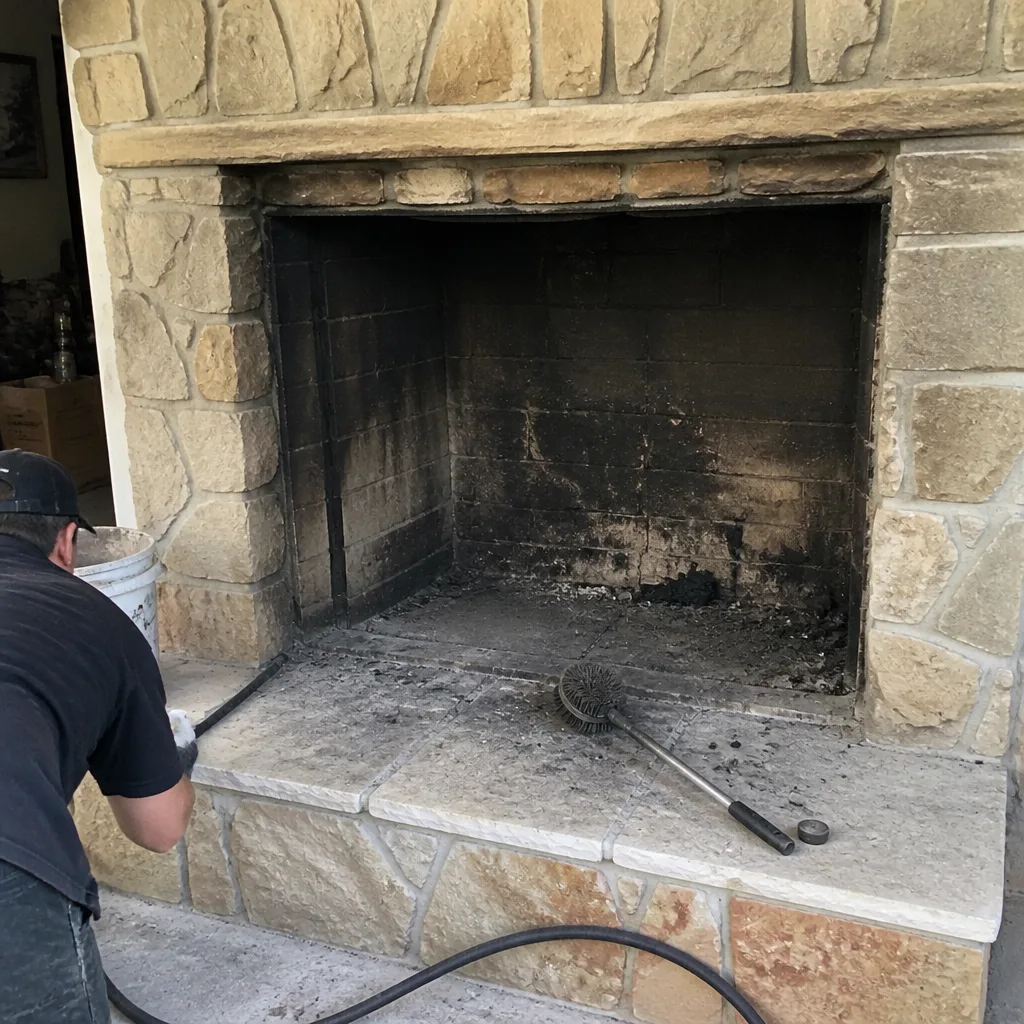 Before
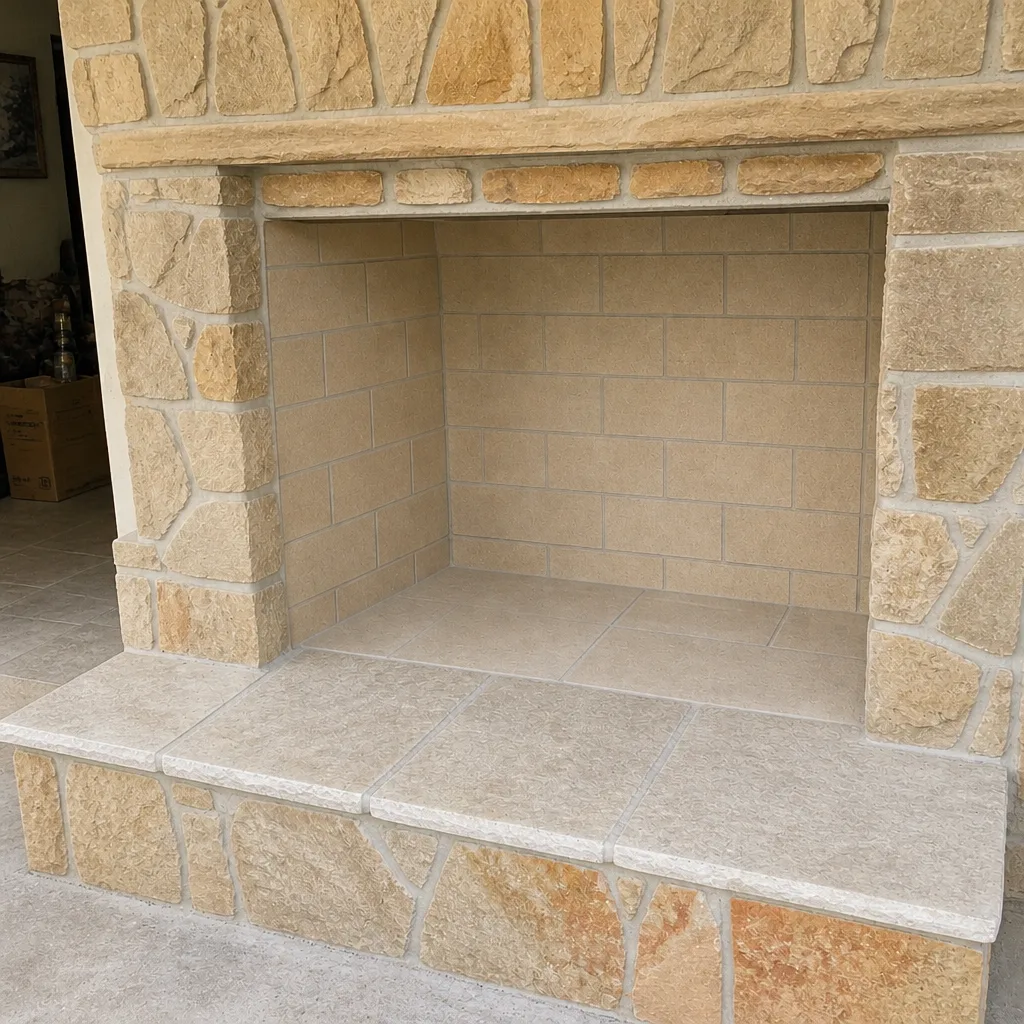 After
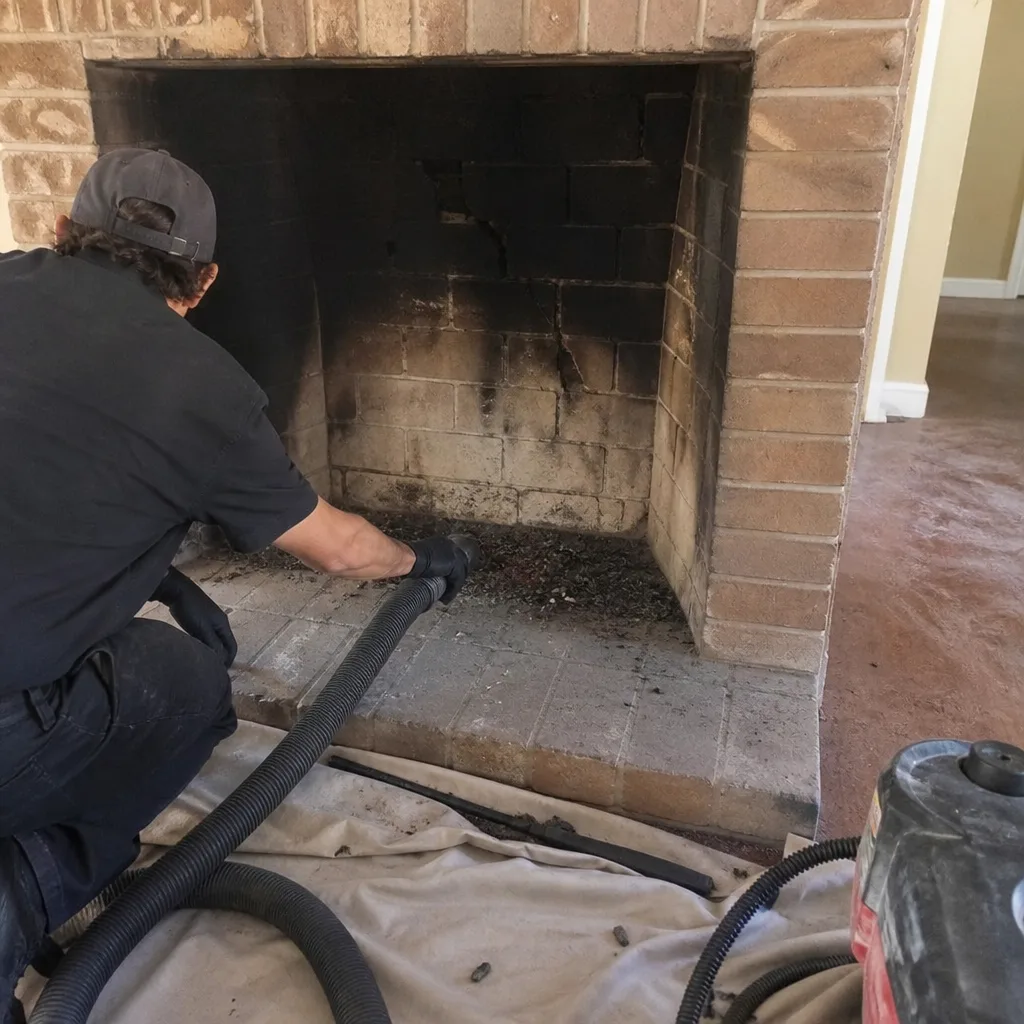 Before
 After
 Before
 After