
Last updated November 22, 2026
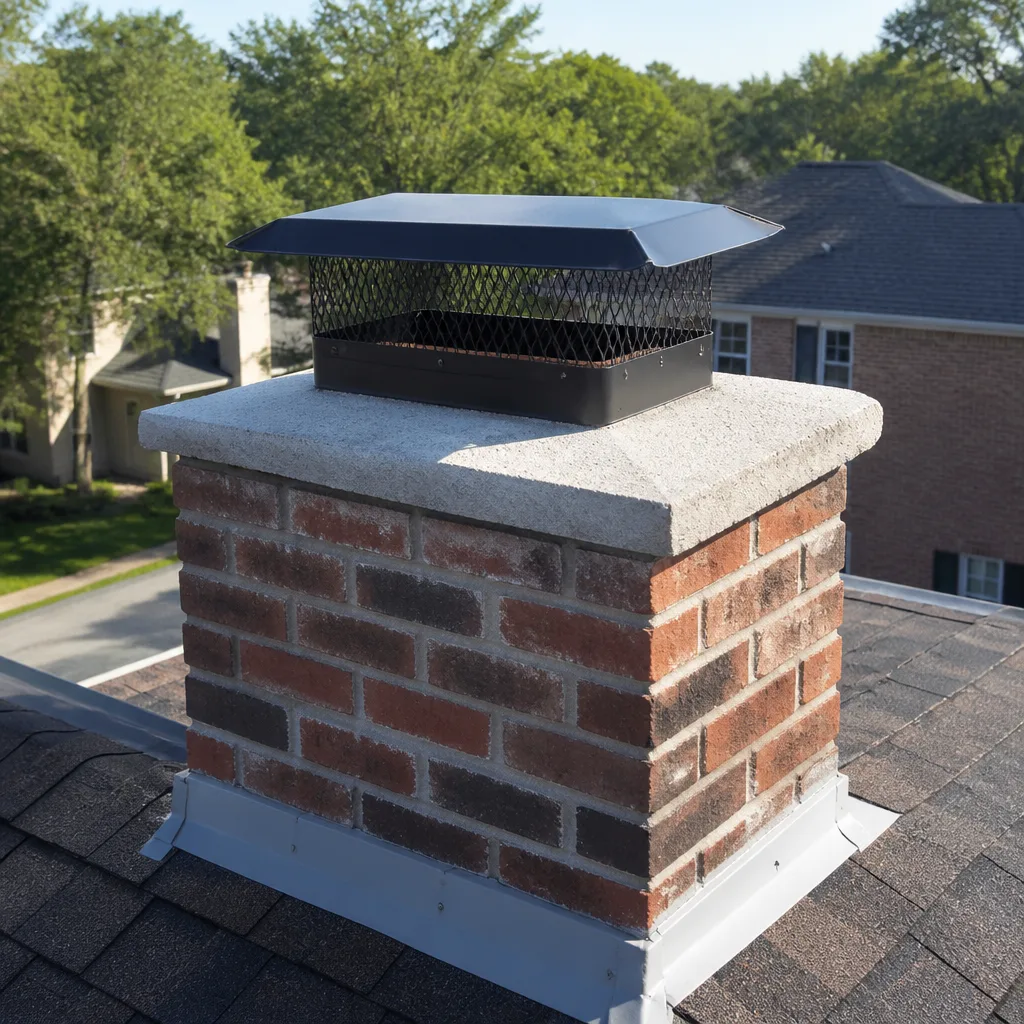 Sweep & inspection
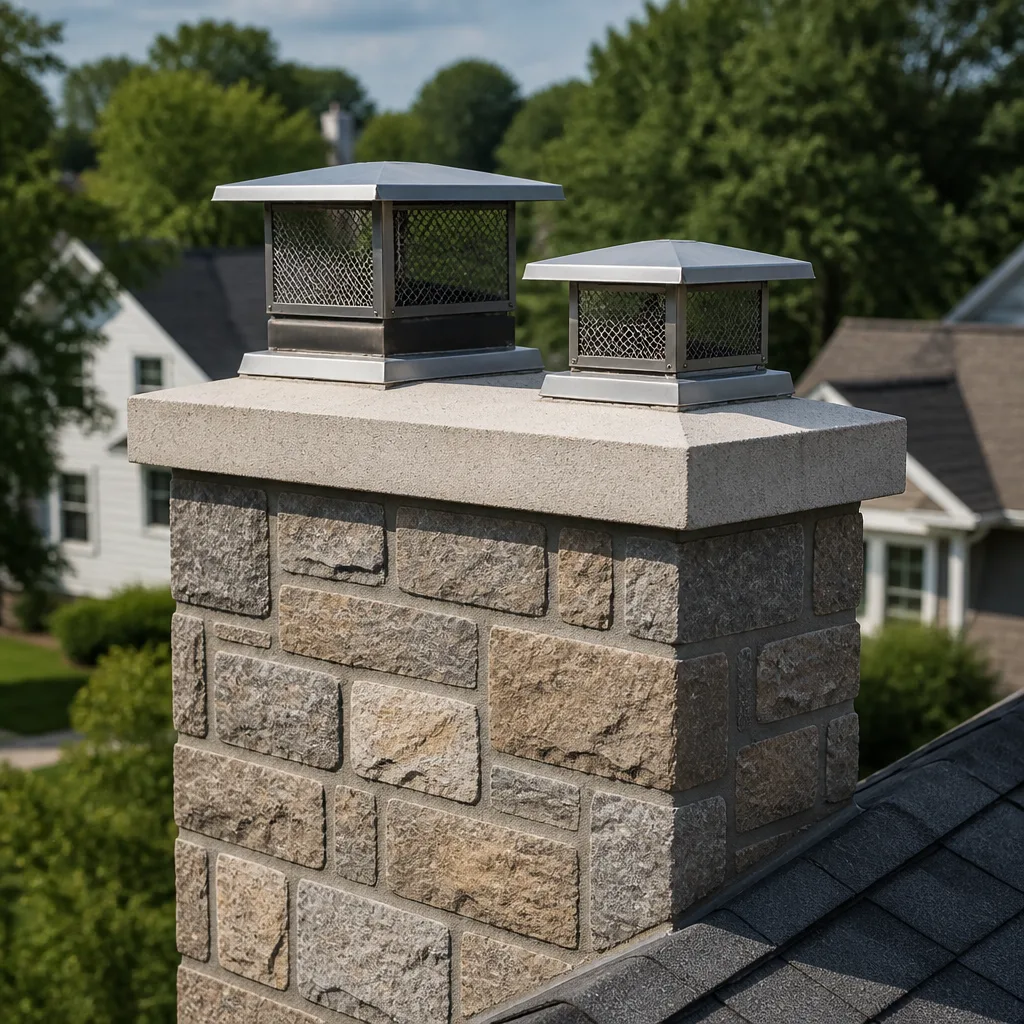 Caps & crowns
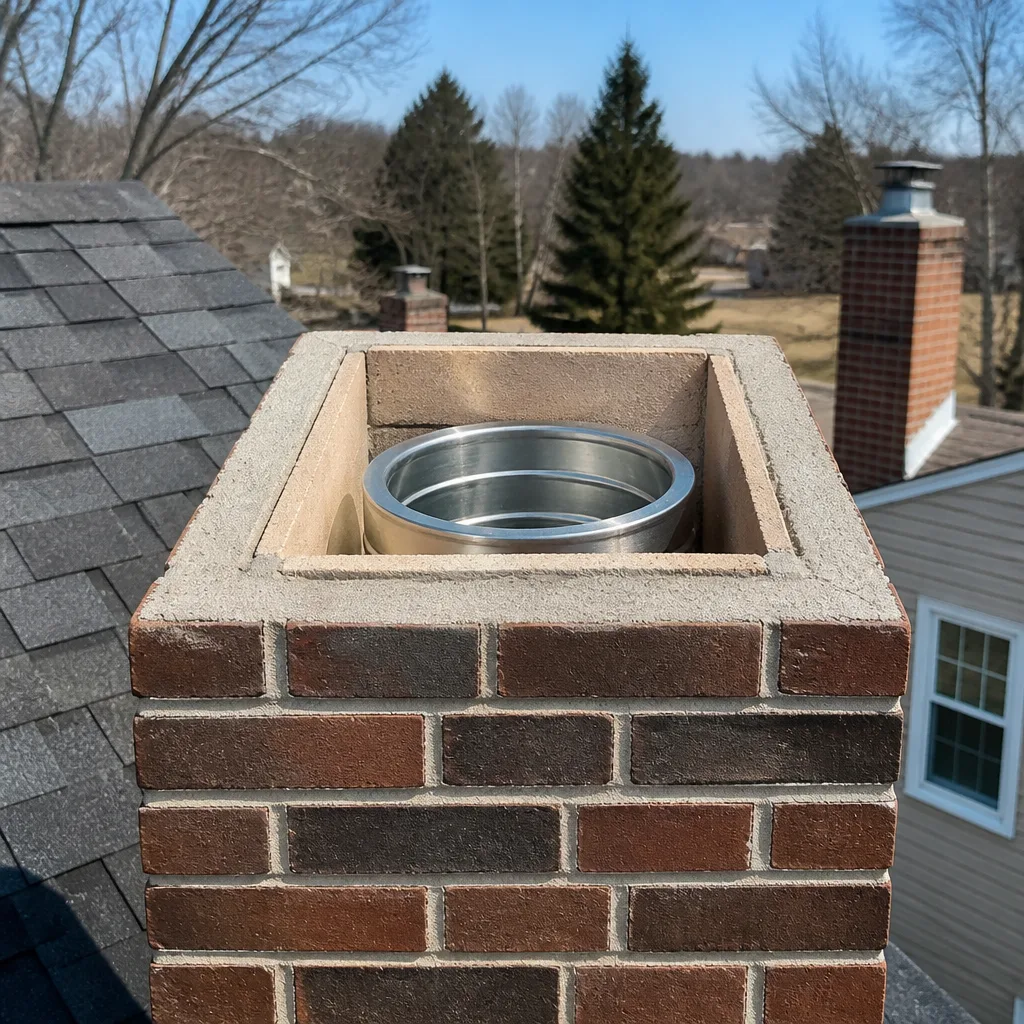 Flue relining
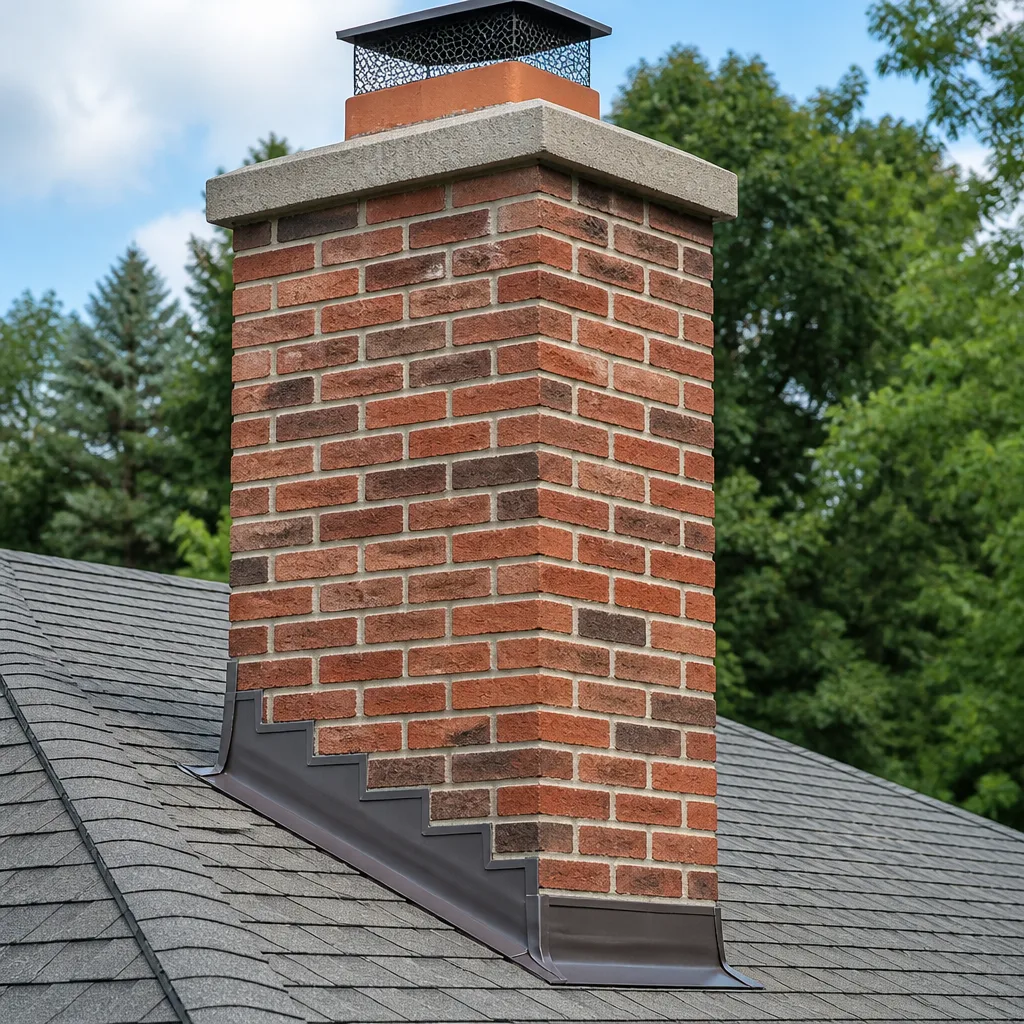 Masonry repair
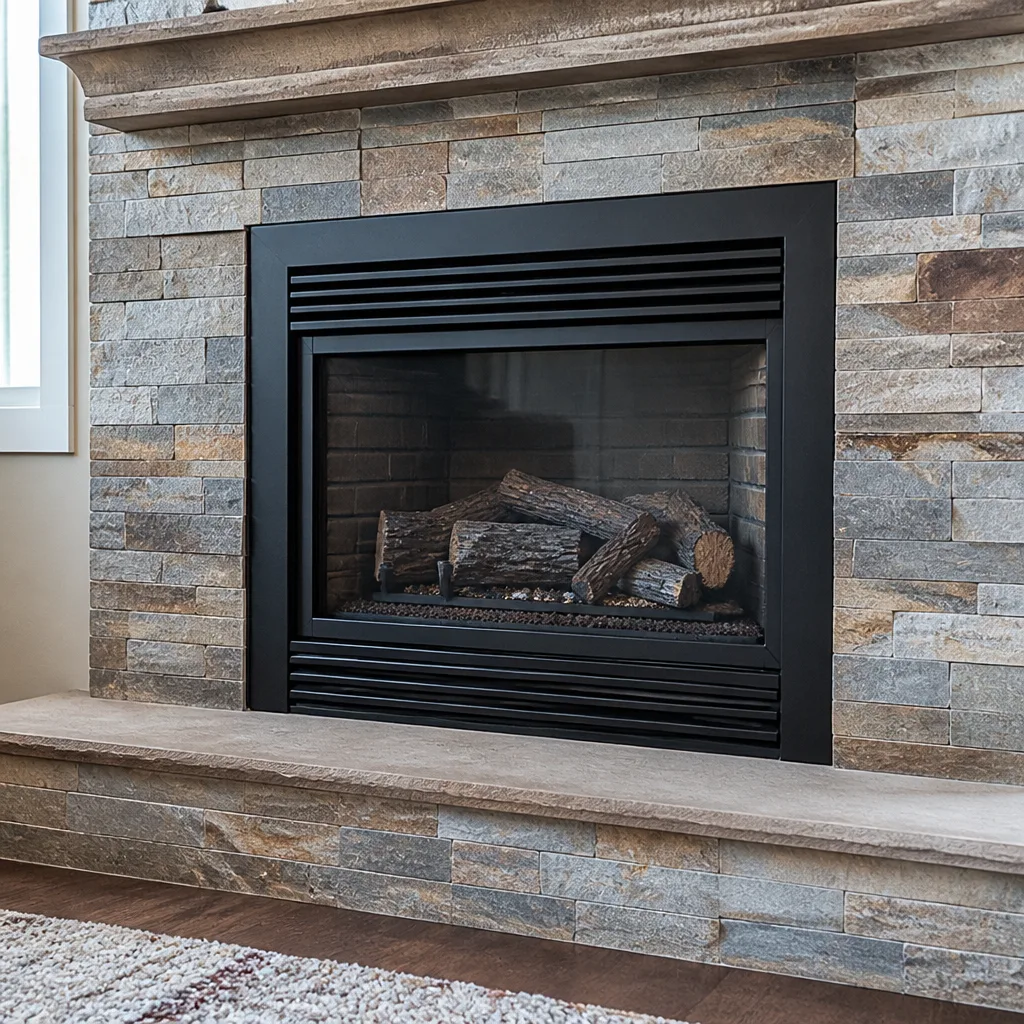 Gas fireplace service
Level 1 sweep and inspection to the NFPA 211 annual standard - flue, crown, cap, and flashing checked and photographed
Chimney sweep logs do not sweep chimneys. They loosen some creosote - which then falls where a brush and vacuum still have to collect it.
Chimney Cleaning Warning Signs: An Encino Homeowner’s Reference Guide
Most people think a chimney problem announces itself with smoke pouring into the room or a panicked call to the fire department. In our experience, that’s the last act, not the first. The real warnings show up weeks or months earlier, and they’re quiet: a chalky white bloom on the outside of the stack, a faint metallic drip you hear only when the house is still, a fire that suddenly seems reluctant to catch. Here’s the part that surprises Encino homeowners: the same symptoms can mean very different things, and reading them correctly is what separates a cosmetic repair from a flue that’s already compromised. This guide walks you through each warning sign, what it actually indicates, and how to sort what you find by urgency.
Quick Answer
The most reliable chimney warning signs are white efflorescence staining on exterior masonry, black or brown creosote buildup inside the firebox, rust or water marks on the damper, smoke spilling into the room instead of rising, a weak draft, dripping sounds, animal scratching, and a sharp acrid smell when the fireplace isn’t in use. Any of these means the system deserves inspection before the next fire. Signs like cracked flue tiles, heavy stage-three creosote, or a damaged crown mean stop using the fireplace now.
Styles & brands we work with
- Sweep & inspection
- Caps & crowns
- Flue relining
- Masonry repair
- Gas fireplace service
Table of Contents
- What Do Different Stains on Your Chimney Mean?
- What Is Your Smoke Telling You?
- Sounds and Smells: Reading the Quieter Warnings
- Damper and Firebox Checks You Can Do With a Flashlight
- Creosote Stages: What the Buildup Looks Like
- How to Triage What You Find
- Why Encino Chimneys Age the Way They Do
- Common Mistakes to Avoid
What Do Different Stains on Your Chimney Mean?
Stain color is one of the most useful diagnostic tools a homeowner has, because each color points to a different failure path. We tell Encino homeowners to walk outside, look up at the chimney, and then look inside the firebox, and compare what they see.
White, chalky bloom (efflorescence). This is the single most misread sign we encounter. That white crust isn’t paint peeling or dust. It’s mineral salts pushed to the surface by water moving through the masonry and evaporating. Where water is entering, it’s also entering the flue structure, and over time that moisture swells and cracks the liner from the inside. A white bloom on the exterior of a chimney in Encino is a water-intrusion signal, and it usually points to the crown or the masonry joints as the entry point.
Black, sooty staining inside the firebox. Heavy black deposit near the top of the firebox opening or up the smoke chamber means incomplete combustion and a system that isn’t drawing well. Some soot is normal. Dense, glossy black is worth a look.
Brown or rust-colored streaks. Rust runs usually trace back to a metal component: a damper assembly, a top-mount cap, or a stainless liner that’s been sitting in moisture. Brown staining on the firebox brick often means water is coming down the flue.
Dark streaks running down the exterior. These typically start at the crown or the cap. A cracked crown lets water wick into the masonry, and the stain is the visible trail.
- White bloom: water moving through masonry, check the crown and joints
- Glossy black inside: poor draft or heavy creosote
- Rust or brown streaks: metal component holding moisture
- Dark exterior runs: crown or cap failure
What Is Your Smoke Telling You?
Smoke behavior is a live diagnostic. It tells you how the system is performing right now, which makes it more useful than almost any other sign. Watch what happens in the first two minutes after you light a fire.
Backdrafting. If smoke puffs out of the firebox into the room before the fire catches, the flue isn’t pulling air up and out. Causes range from a cold flue that hasn’t warmed, to a blockage (nest, debris, collapsed liner piece), to a house that’s too tight and starved for makeup air. In Encino homes built with modern weatherstripping, the tight-house cause is more common than people expect.
Slow draw. The fire catches, but the smoke hovers at the damper instead of rising cleanly. Slow draw usually means partial obstruction or an undersized flue for the firebox opening. It’s also the leading cause of gradual creosote accumulation, because a slow-drawing fire burns cooler and deposits more.
Smoke spillage into the room mid-burn. This one is serious. If the fire was drawing fine and then smoke starts rolling out, something has changed inside the flue. Stop using the fireplace and have it inspected. Heavy smoke spillage can also indicate a cracked flue liner, which is a fire pathway into the framing.
Smoke is the system’s most honest signal. When it goes wrong, it’s not being dramatic, it’s showing you exactly where the airflow is failing.
Sounds and Smells: Reading the Quieter Warnings
Chimneys make noise when they’re working correctly and they make different noise when they’re not. Learning to tell the two apart is worth the effort.
Dripping sounds. A metallic drip or a soft tapping when the fireplace isn’t in use usually means water is finding a path down the flue. Common culprits are a missing or damaged cap, a failed crown, or a liner joint that has opened. Left alone, water intrusion is what eventually causes the cracked-liner situation described above.
Animal activity. Scratching, fluttering, or a persistent chattering from the flue means something has taken up residence. Birds, squirrels, and raccoons are the usual suspects, and a chimney without a proper cap is an open door. Beyond the obvious nuisance, a nest is a flue obstruction, and a live animal in the flue while a fire is lit is genuinely dangerous. This is one of the clearest arguments for a cap on every flue.
Smells. Odor profiles actually correlate with creosote stages, and homeowners can pick up the difference:
- Stage-one creosote (light, flaky soot): minimal smell, mostly soot dust.
- Stage-two creosote (crusty, flaky, dark): a distinct smoky, sour, campfire smell that lingers, especially on warm days or when the house pressurizes.
- Stage-three creosote (glossy, hardened, tar-like): a sharp, acrid, almost chemical odor. This is the flammable glaze, and it’s the stage that burns hottest and is hardest to remove.
If you can smell the chimney when there’s no fire, that’s the system telling you it needs a professional look.
Damper and Firebox Checks You Can Do With a Flashlight
A five-minute flashlight inspection tells a homeowner a lot. You’re not repairing anything here. You’re looking, and you’re noting what you see so the inspection conversation starts from facts.
- Open the damper and shine the light up the flue. You’re looking for an open, unobstructed path. Any visible soot ceiling, nest, or debris is a red flag.
- Inspect the damper plate itself. Does it open and close fully? Rust, warping, or a plate that sticks part-way open is a draft problem waiting to happen.
- Shine light into the firebox seams and brick. Look for cracks in the mortar joints between firebrick. Hairline cracks are common; wide or deep cracks warrant a professional look.
- Check the smoke chamber above the damper. You’re looking for heavy creosote buildup on the angled surfaces. This area is one sweep-only services often skip, and it’s where stage-two and stage-three creosote collects.
- Look for water evidence inside. Rust on metal, water stains on brick, or a damp smell all mean moisture is getting in.
- Look up the exterior crown. From the ground with binoculars or from a ladder if it’s safe, look for cracks in the crown and a cap that’s loose or missing. Do not get on the roof. Call a professional if you need a closer look.
A note on safety here. A flashlight check is safe. Climbing on the roof, disassembling a damper, or working near the flue are not, and neither is dealing with a blocked flue yourself. This is the rare home system where light inspection is fine and just about everything else should go to a professional.
Creosote Stages: What the Buildup Looks Like
Creosote is the residue of incomplete combustion, and its stages matter more than most homeowners realize. It’s not one substance but a progression.
- Stage one: Sooty, flaky, easy to brush off. Normal accumulation, the same stuff that comes out in a routine chimney sweep.
- Stage two: Crusty and flaky, dark, and harder to remove. Brushing takes effort. This is the stage where annual sweeping is genuinely useful, because it’s still removable before it hardens.
- Stage three: Glossy, hardened, tar-like. This is the flammable glaze. It’s the stage most associated with chimney fires, and it’s genuinely hard to remove, requiring specialized tools and often mechanical or chemical treatment. If your firebox shows stage-three creosote, the fireplace should not be used until it’s professionally addressed.
Encino’s mild winters matter here. Because fires are often lit less frequently than in colder climates, some households let a season or two slide. That’s the exact accumulation pattern that pushes a flue silently from stage one to stage two, since a cooler, slow-burning fire deposits more creosote than a hot, well-drafted one. The more consistent the fire, the more consistent the sweep schedule should be.
When we sweep, we don’t guess at stage. We show the homeowner what’s in the flue with a camera inspection and a photo report, so there’s a shared, verifiable record of what’s actually there before any recommendation is made.
How to Triage What You Find
The single most useful thing this guide can offer is a triage framework. Most findings fall into one of three buckets.
Stop Using the Fireplace Immediately
- Smoke spilling into the room mid-burn
- Visible stage-three (glossy, tar-like) creosote in the firebox or smoke chamber
- Cracked or displaced flue tiles visible up the flue
- A live animal or nest in the flue
- A damaged crown or cap that’s letting water directly into the flue
- Any smell of chimney with no fire lit (a persistent acrid odor, especially)
Schedule an Inspection Soon (Within Weeks)
- White efflorescence on exterior masonry (no immediate fire risk, but water damage compounds)
- Rust or brown streaks
- Dripping sounds with no fire lit
- A damper that doesn’t open or close properly
- Slow draw that’s new or worsening
- Frequent but manageable sooting of the firebox
Monitor and Routine Schedule
- Light stage-one soot flaking off the firebox walls
- A damper that works smoothly but hasn’t been inspected
- Nesting litter on the crown, but a capped and blocked-off flue
The point of triage is honesty. We believe a homeowner should be told which findings can safely wait and which cannot, and a proper camera inspection is what makes that distinction possible rather than guesswork.
Why Encino Chimneys Age the Way They Do
Chimney condition here has a lot to do with the local building stock and the fire habits that go with the climate. Encino homes range from mid-century ranch construction to newer builds, and many of the older chimneys were built with masonry and clay tile liners that were sound when new. Decades of thermal cycles and occasional moisture intrusion take a toll on crown and mortar, which is why efflorescence and crown cracks show up on Encino chimneys more often than you might expect on a home that’s never seen a hard freeze.
The mild-winter pattern also changes the creosote equation. Fires are often burned less regularly, without sustained hot drafts, which is a slower-burning pattern that deposits creosote more heavily per fire. And because the rainy season focuses moisture into a few concentrated months, a cracked crown or missing cap exposes the chimney to water intrusion over a short period, which is exactly when the masonry wicks and the efflorescence appears.
Our approach is to address the full system, crown to firebox. A sweep alone doesn’t tell you what’s happening at the crown. An inspection that’s just a sales funnel doesn’t help either. So we treat inspection as a standalone diagnostic with a photo report, and we carry the repair capability to address what the inspection finds. That includes name-brand components like chimney cap & crown replacement, DuraFlex flexible stainless liner systems for relining without a full rebuild, HeatShield ceramic resurfacing for restoring a damaged liner, and Copperfield and Famco components where they fit the job. We name the materials because you should know what’s going into your chimney.
Common Mistakes to Avoid
- Judging the chimney’s health by the firebox alone. A clean-looking firebox says nothing about the crown, the cap, or the condition of the flue above the smoke chamber. The full system needs to be looked at.
- Treating efflorescence as cosmetic. It isn’t. That white bloom is mineral deposit from water that has been moving through the masonry, and stopping the water means finding and repairing the source, usually at the crown or the joints.
- Skipping the sweep because the fire “still works.” A working fire doesn’t mean a safe flue. Most stages of creosote accumulation don’t degrade performance noticeably until they’re severe.
- Ignoring a smoke smell with no fire burning. Persistent odor means buildup or moisture or both. It’s one of the clearest signs that the system needs inspection.
- Using a cracked-crown chimney through a rainy season. Encino’s wet months are exactly when a compromised crown lets water into the flue structure. That’s the path to a damaged liner, and a damaged liner is a fire pathway into framing.
- Accepting an inspection that leads straight into a repair pitch. A trustworthy inspection gives you a written condition report with photos first, and the repair conversation is separate and optional. We’d rather hand you a photo report and let you decide.
- Trusting a sweep service that stops at the top of the firebox. The smoke chamber, damper assembly, and crown are part of the system, and a service that only brushes the flue is only half a service.
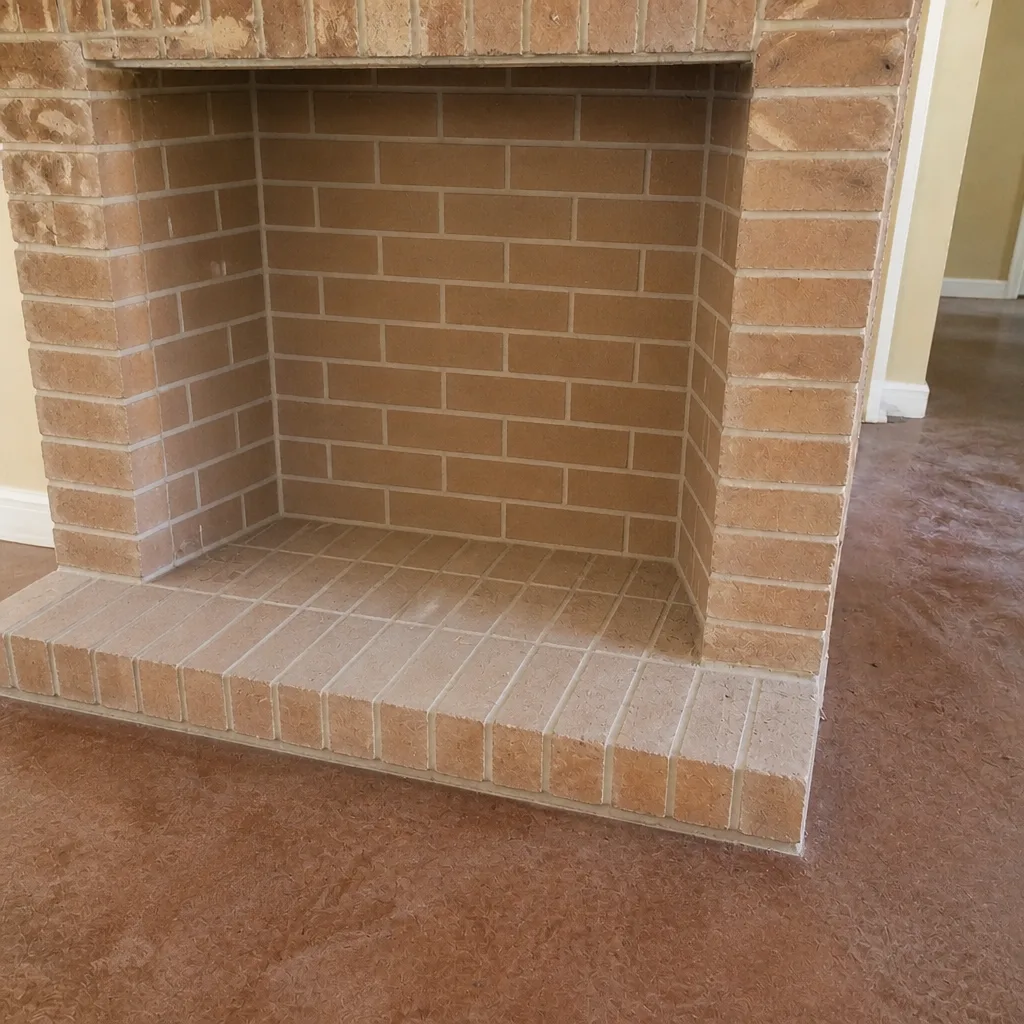
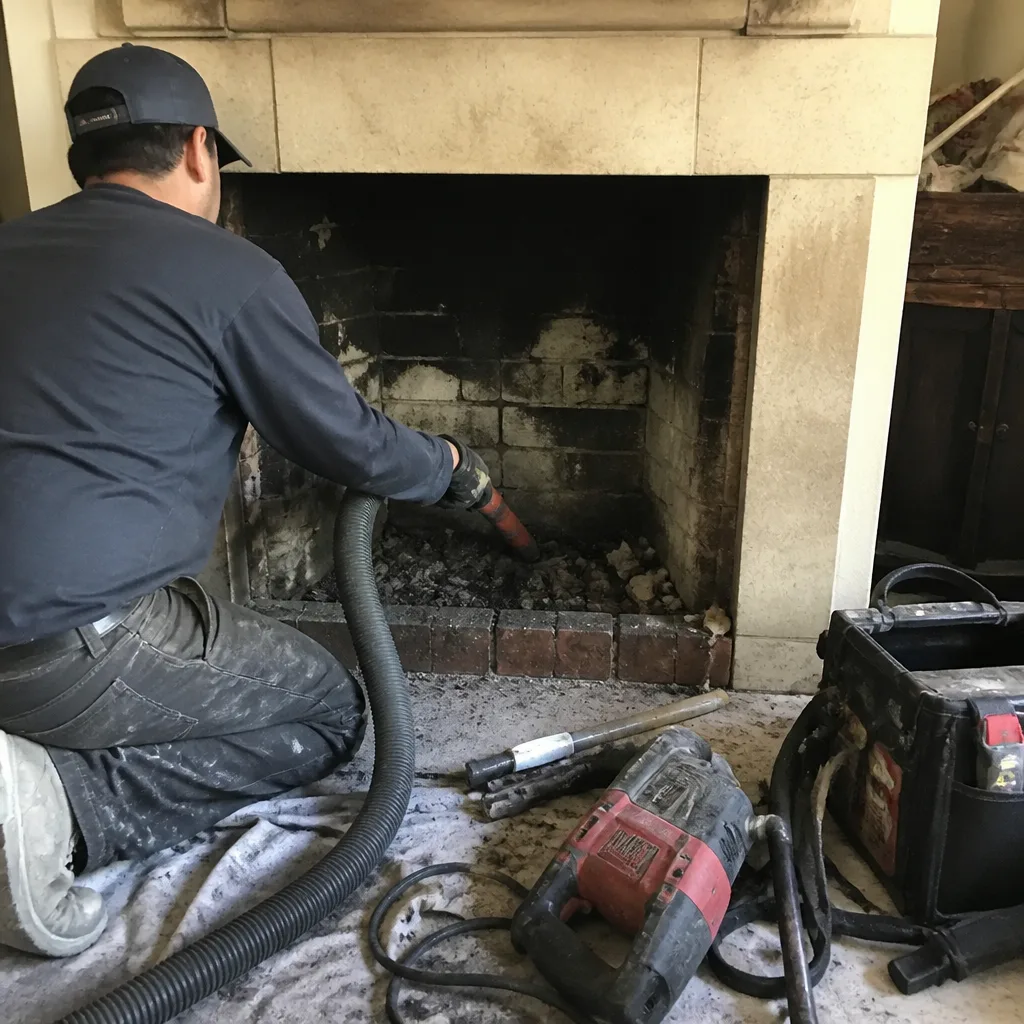
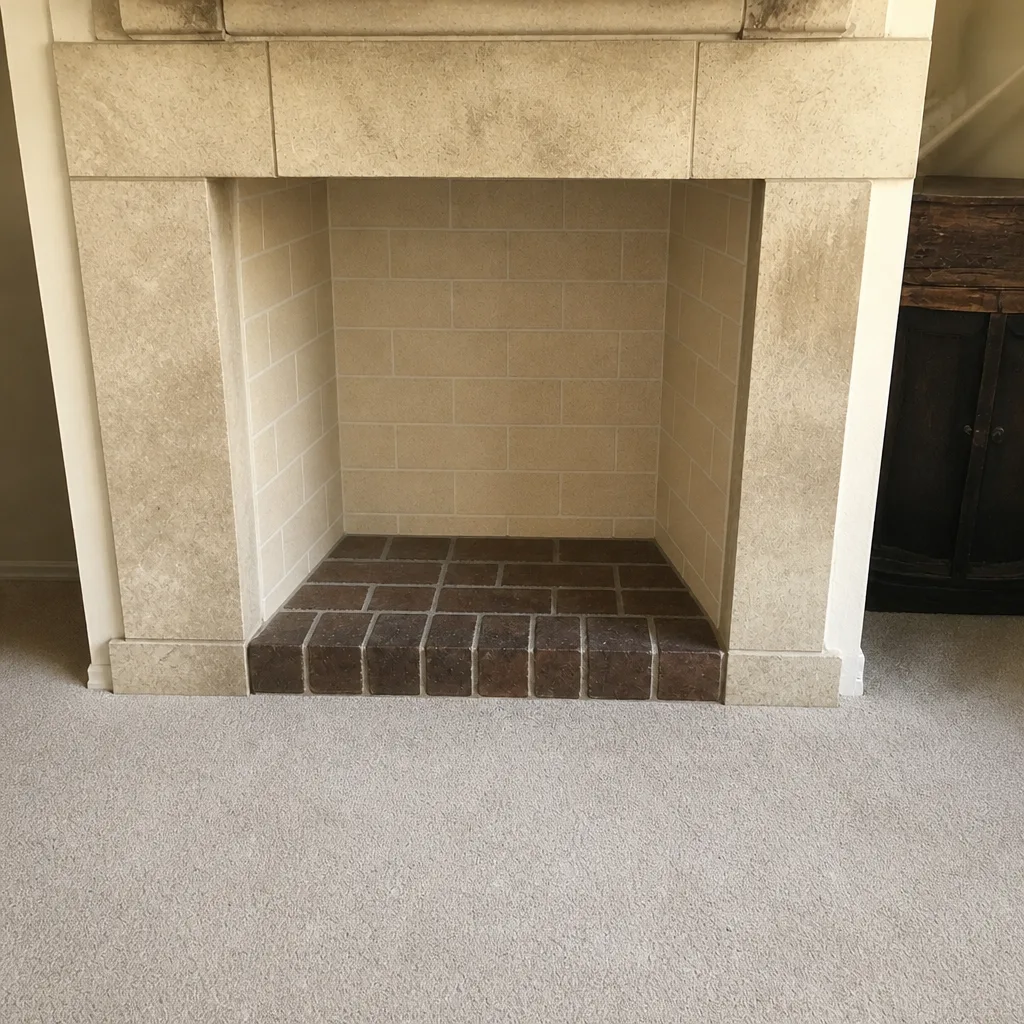
See the difference
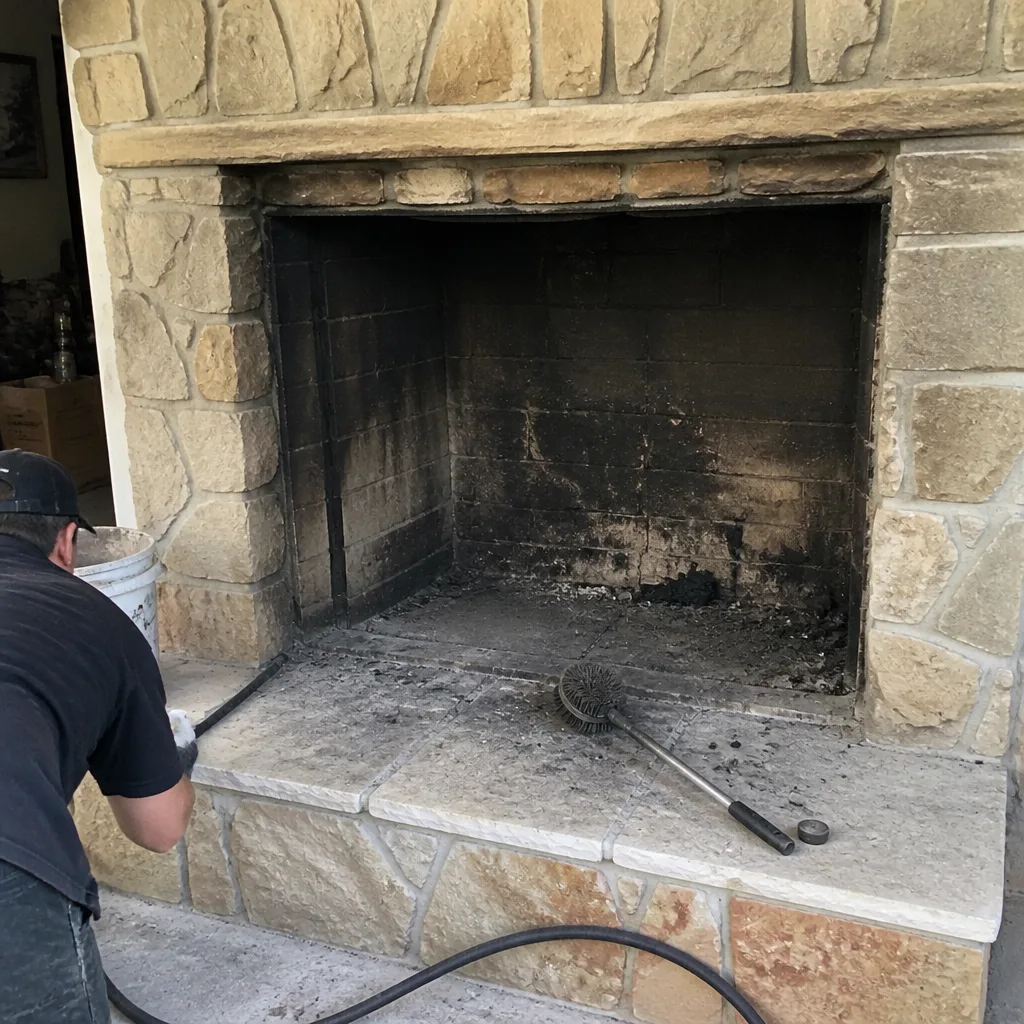 Before
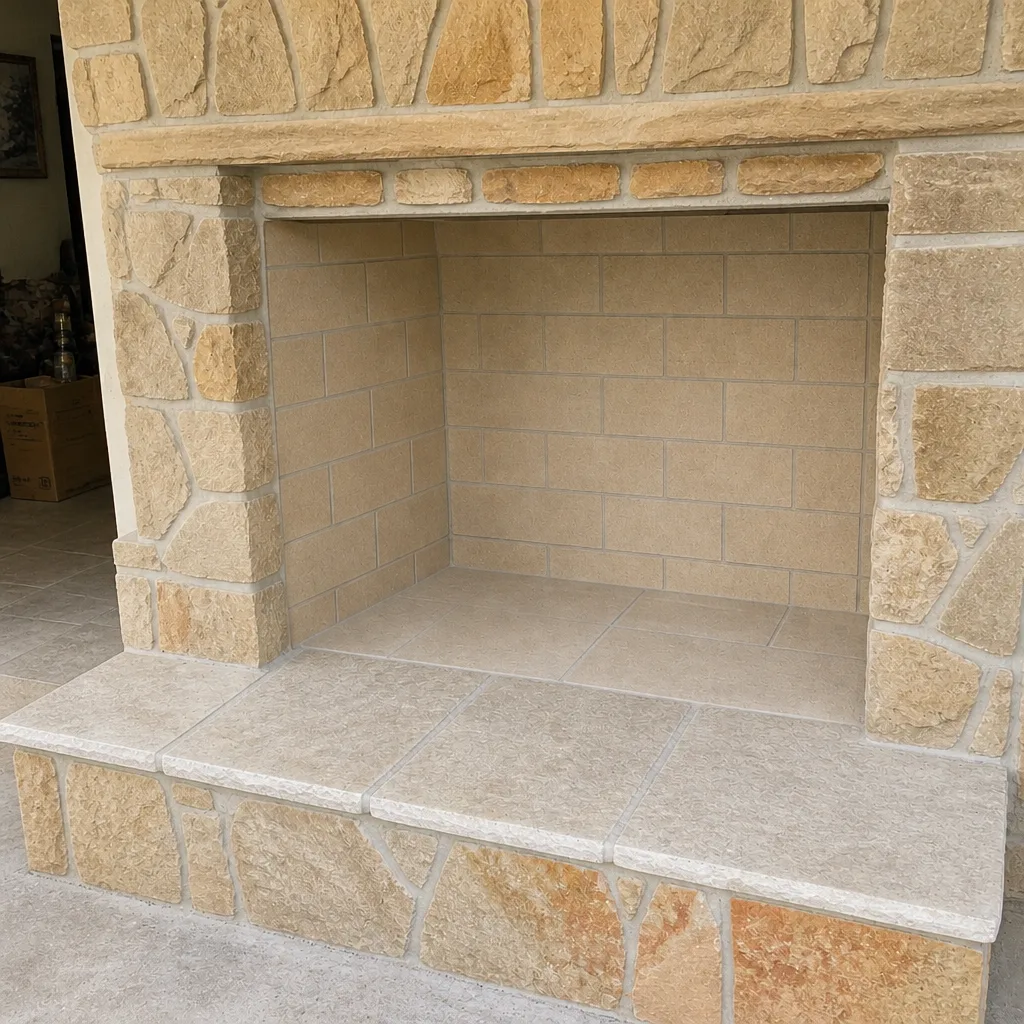 After
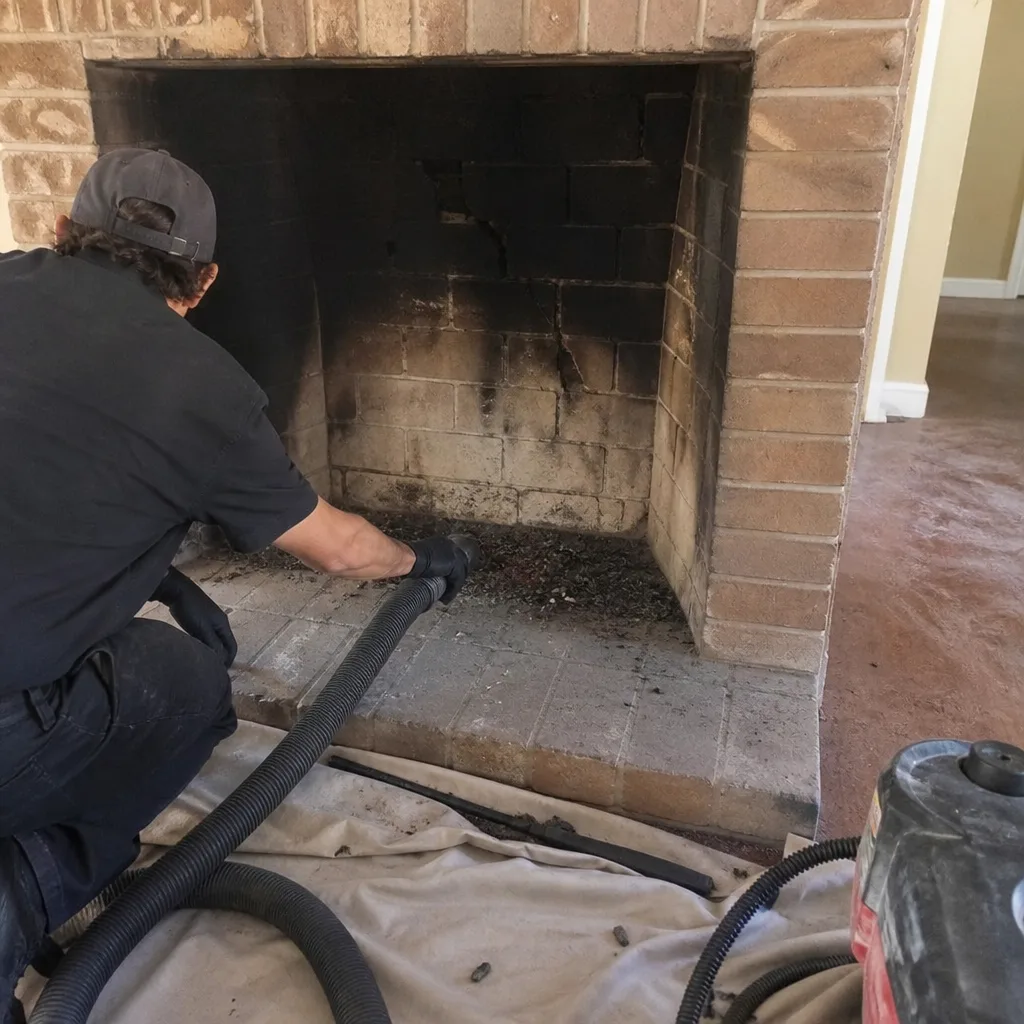 Before
 After
 Before
 After
When to Call a Professional
Call a professional when you find any of the following: smoke spilling into the room instead of rising, a persistent chimney smell when the fireplace is off, white efflorescence on exterior masonry, rust or water marks on the damper, a noticeable drop in draft that doesn’t go away, a visible crack in the crown or a missing cap, or scratching and fluttering sounds from the flue. And call if you see stage-two or stage-three creosote in the firebox. These are all findings a trained eye can diagnose quickly, and the earlier the diagnosis, the more affordable the repair path.
Chimney Sweep Encino offers free estimates and a full scope of services from crown to firebox, including inspections, sweeping, relining, and fireplace repair. Our technicians have up to 9 years of experience. To book a visit or get an honest inspection report, call (833) 925-1856. We answer 24/7, and fast dispatch runs 7am to 7pm, Sunday through Friday.
Frequently Asked Questions
White efflorescence on the exterior masonry is often the earliest visible sign, and it points to water moving through the stack. Other early signals include a faint smoky smell when the fireplace is off and a slower draw than you remember. If any of these are present, have the system inspected before the next fire. Call (833) 925-1856 for an exact quote, and estimates are free.
Most homes that burn fires regularly should be swept once a year, and more often if the fire is used heavily or the wood is seasoned poorly. Encino’s mild winters mean some homes burn less often, but that can concentrate creosote rather than reduce it. Routine sweeping keeps the flue in a manageable stage. Call (833) 925-1856 to schedule an inspection and sweep together.
Yes, visually. Stage-two creosote is crusty and flaky and dark; stage-three creosote is glossy, hardened, and tar-like, and it has an acrid smell. If you see glossy buildup, stop using the fireplace until it’s professionally addressed.
It’s serious enough to warrant inspection, not necessarily a fire hazard on its own. White efflorescence means water is moving through the masonry, and the entry point is usually the crown or a joint. Left long enough, moisture intrusion cracks the flue liner from the inside. Get it looked at before the next rainy season. Call (833) 925-1856 for an honest inspection report.
A metallic drip with no fire lit usually means water is getting into the flue, often through a damaged cap, crown, or liner joint. Repeated water exposure is what damages liners. It’s worth a camera inspection before you light another fire. Call (833) 925-1856 to schedule a visit.
A faint smoky smell during cold weather can be normal airflow. A persistent, sharp, or acrid smell when the fireplace isn’t in use is not. That profile is most associated with stage-two or stage-three creosote, or moisture in the flue, and either one is a reason to have the system inspected. Call (833) 925-1856 for a free estimate on a diagnostic visit.
The Bottom Line
Chimney warnings are quiet, and they’re readable. The color of the stain, the behavior of the smoke, the sound in the flue, and the smell in the room are telling you exactly what the system needs. The triage rule is the takeaway: stop using a fireplace when smoke spills, when creosote is glossy, when the crown is compromised, or when something is living in the flue. Monitor and schedule for efflorescence, rust streaks, and slow draw without those red flags. An inspection with a camera and a photo report is the most honest diagnostic you can get, and it lets you decide what to fix and what can safely wait. If the signs in this guide line up with what you’re seeing in your Encino home, call (833) 925-1856 for a free estimate. We answer 24/7, and fast dispatch runs 7am to 7pm, Sunday through Friday.
Written by the team at Chimney Sweep Encino.