
Last updated November 22, 2026
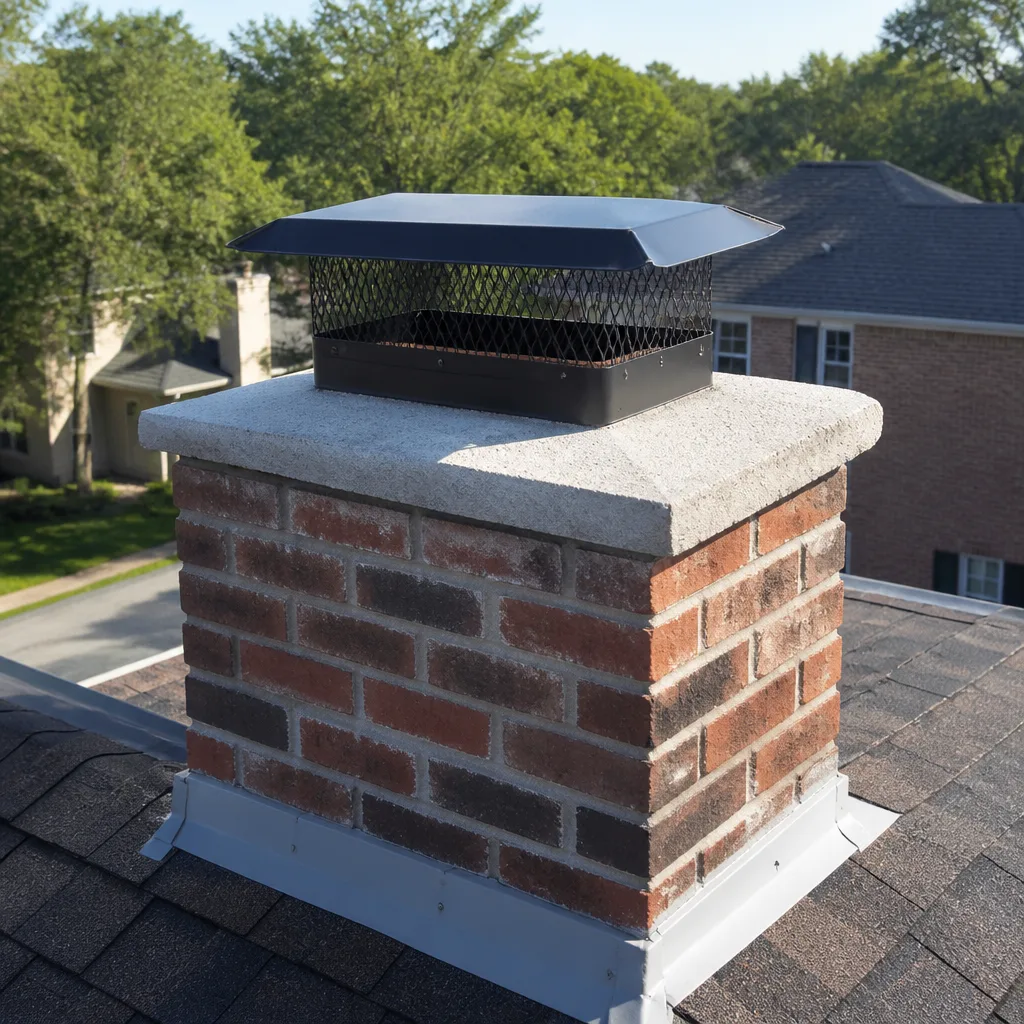 Sweep & inspection
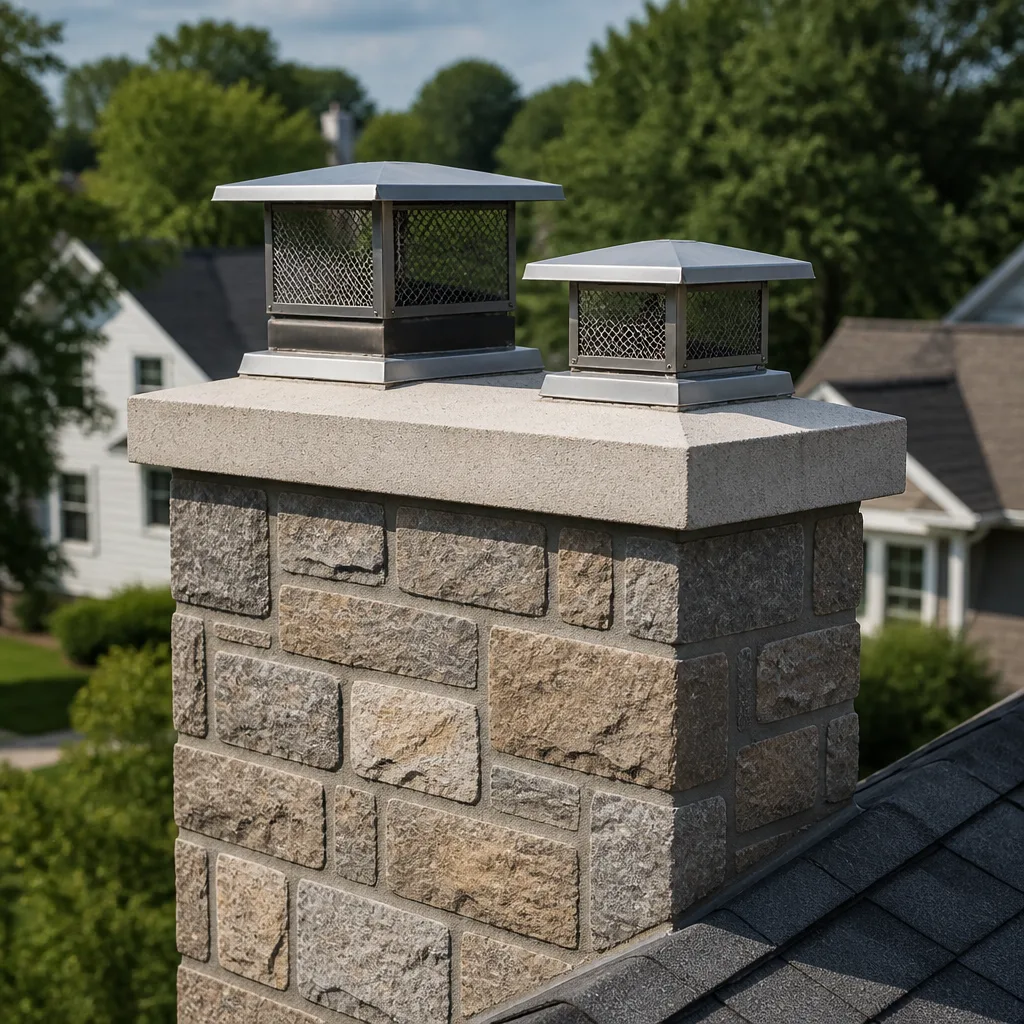 Caps & crowns
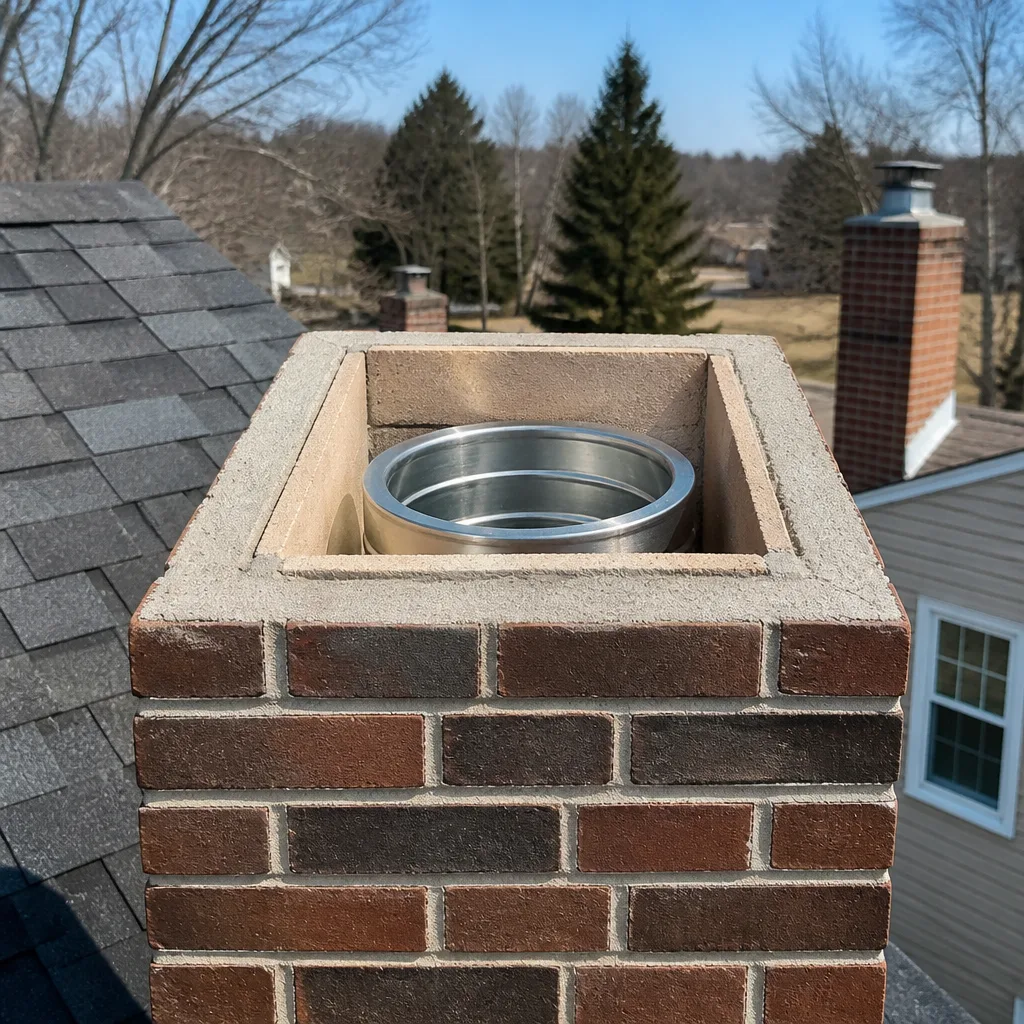 Flue relining
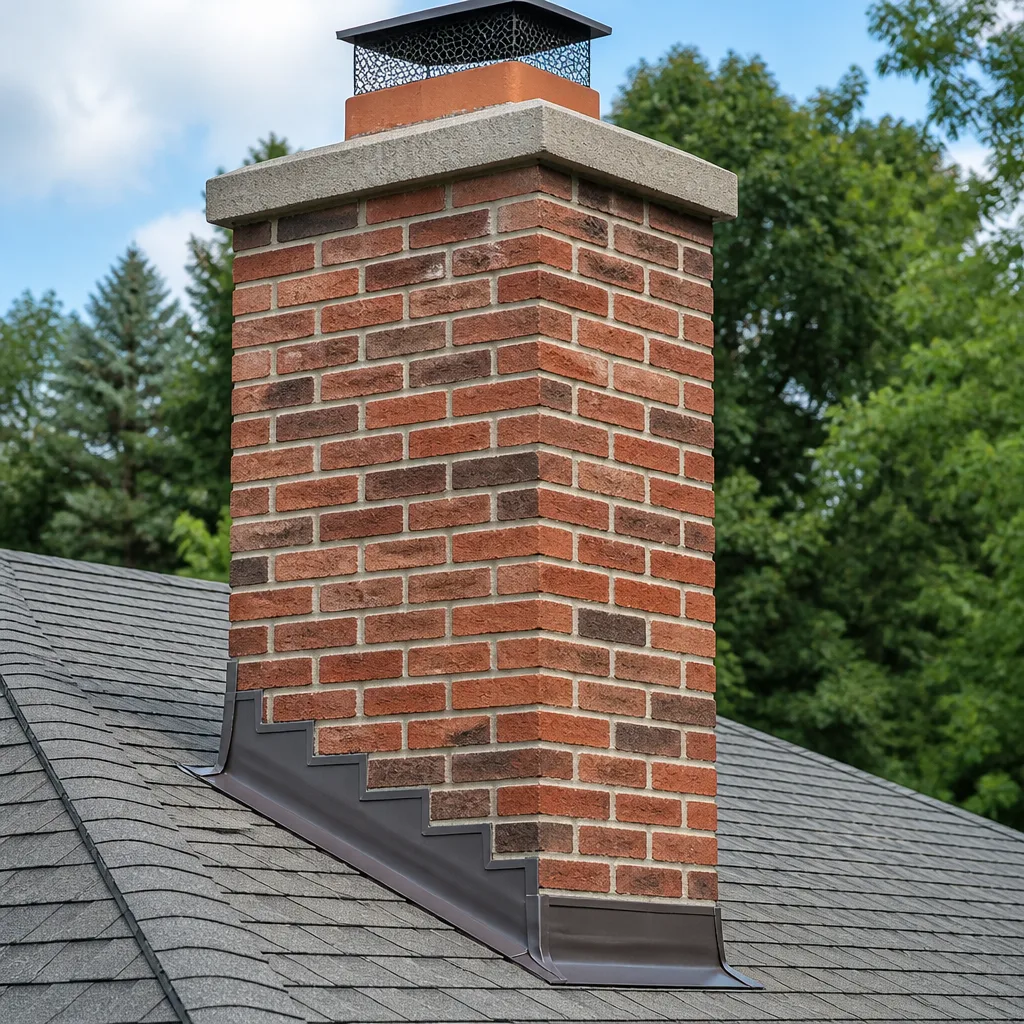 Masonry repair
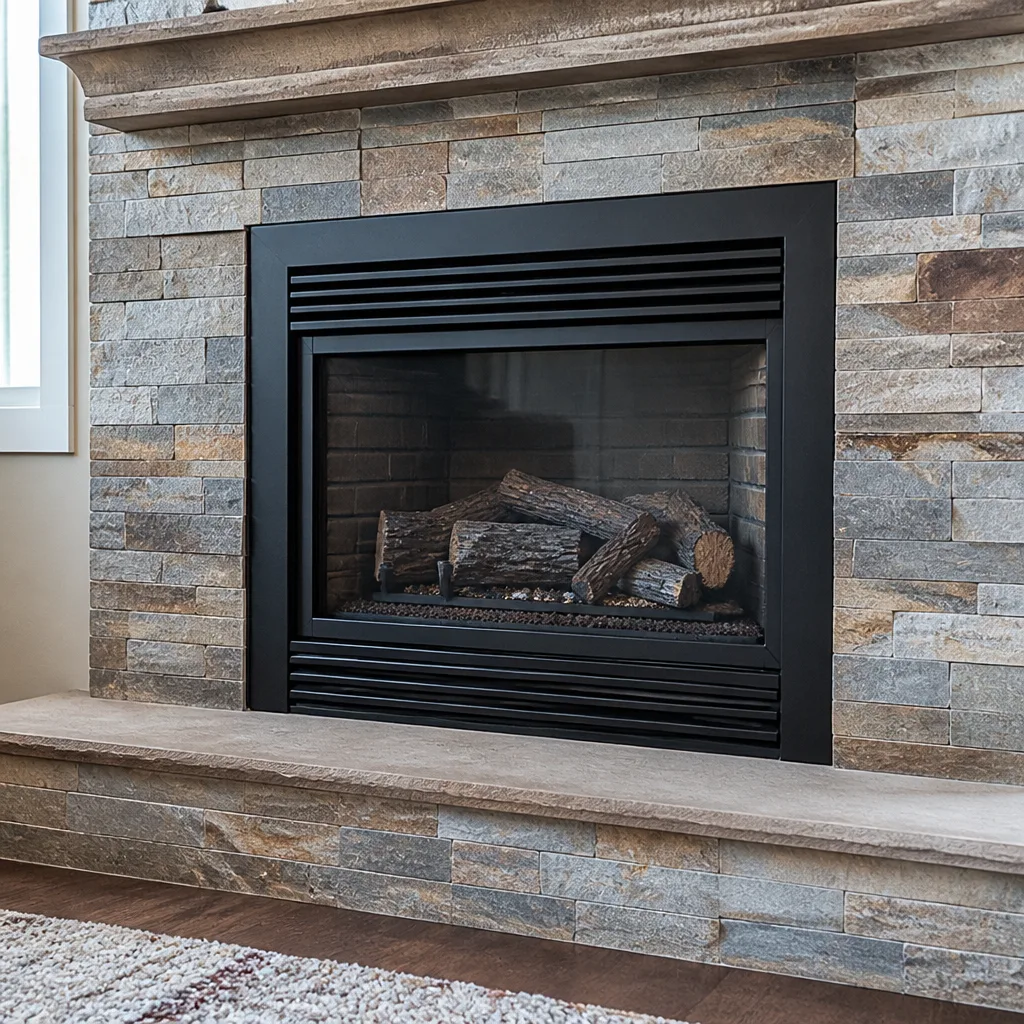 Gas fireplace service
Level 1 sweep and inspection to the NFPA 211 annual standard - flue, crown, cap, and flashing checked and photographed
Chimney sweep logs do not sweep chimneys. They loosen some creosote - which then falls where a brush and vacuum still have to collect it.
Chimney Sweep Maintenance Checklist for Encino Homeowners
The usual advice, “get your chimney cleaned once a year,” skips the part that matters most. It never tells you what to look at between professional visits, which is where early warning signs actually show up. Most chimney damage we inspect in Encino didn’t start on the roof. It started in the firebox, in a damper that stopped sealing, or in a crown crack that let water travel where nobody was looking. A sweep cleans the flue; a checklist tracks the whole system, crown to firebox. This guide gives you a component-by-component maintenance checklist you can actually use, maps each item to the specific damage it prevents, and separates what you can safely check yourself from what needs a trained set of eyes. Mention one thing up front: some of this system is genuinely dangerous to handle. We’ll flag those points as we go.
Quick Answer
A homeowner’s chimney maintenance checklist should cover five checks: the firebox interior, damper operation, smoke shelf access, exterior crown and cap condition, and flashing at the roofline. Of those, the first three can be assessed safely from the firebox opening without climbing anything. The crown, cap, and flashing need a professional inspection or a very careful look from the ground. A full professional sweep and inspection once a year, timed around Encino’s fire season and a residential fireplace used regularly, confirms what your own checks can’t reveal.
Styles & brands we work with
- Sweep & inspection
- Caps & crowns
- Flue relining
- Masonry repair
- Gas fireplace service
Table of Contents
- How a chimney system actually works, crown to firebox
- The interior checklist: what you can see from the firebox opening
- The smoke shelf and damper: the two components that fail quietly
- The exterior checklist: crown, cap, and flashing
- Timing your checks around Encino’s climate
- What to photograph and document before your next sweep
- What you can do yourself vs. what needs a professional
- Key Takeaways
How a chimney system actually works, crown to firebox
A chimney is not a tube. It’s a system of parts that depend on each other, and when one part fails, the failure shows up somewhere else. Understanding that chain is what makes a checklist useful instead of decorative. Start with what the fire sends up and what the weather sends down.
The firebox contains the fire. Above it sits the damper, a hinged plate that controls how much air the fire gets and whether the flue stays sealed when the fireplace is idle. Behind the damper is the smoke shelf, a flat ledge that turns the rising smoke smoothly into the flue. The flue carries combustion gases up and out, and it needs a proper lining so heat and smoke stay off surrounding wood framing. At the top, a cap keeps rain, animals, and debris out of the flue, and the crown, a sloped concrete surface, sheds water away from the chimney’s top and masonry.
Every one of those parts fails in a predictable way. A cracked crown sends water into the masonry, which becomes a cracked flue lining, which becomes a smoke problem in the living room. A loose cap lets a raccoon nest in the flue, which blocks the draft, which sends carbon monoxide back into the room instead of up and out. A stuck damper either robs your fire of air or leaves the house open to a chimney full of cold air when you’re not using it. This is why our inspection services are treated as a diagnostic first and a repair conversation second: the point is to find out where the failure actually starts, not to sell a sweep that doesn’t fix the problem. If you want a sense of how a professional checklist gets applied from the top down, see our overview of Chimney Sweep Encino, which covers the five service categories from crown to firebox.
The vulnerability chain runs like this:
- A cracked crown lets water in.
- Water in the masonry weakens the mortar and the flue lining.
- A weakened lining raises the risk of heat and fire reaching framing.
- A blocked or damaged flue reduces draft and pushes combustion gases into the room.
- Any of those, unattended, becomes a repair that costs more than the maintenance that would have prevented it.
Every checklist item below maps to one link in that chain. That’s how you know which check matters and what it protects.
The interior checklist: what you can see from the firebox opening
You don’t need a ladder to do meaningful chimney checks. Most of what a homeowner can safely assess is visible from the firebox opening with good light and a handheld flashlight. Do these checks on a cold, empty fireplace, before you light anything.
1. Look at the firebox interior walls. Firebrick should be tight, with mortar joints intact. Hairline cracks in the brick are normal thermal wear, but wide cracks, crumbling mortar, or loose brick mean the firebox is not containing heat the way it should. This is a common finding in older Encino homes where a fireplace has been used for years without repointing.
2. Check the fire grate and andiron area. Debris and ash build up here and can block airflow. You can clear the hearth and firebox floor yourself; you cannot safely reach inside the flue.
3. Look up at the damper plate. Confirm it opens freely, closes flat, and seals when shut. A damper that sticks, tilts, or never fully closes is the most quietly destructive failure for a fireplace, since a leaky damper lets heated or cooled air escape and lets cold outside air down year-round.
4. Run a light beam up to the smoke shelf and the first feet of flue. Look for a heavy layer of soot, creosote glazing, or any blockage. If you see animals, nesting material, or a solid glazed layer, that’s a professional call, not a homeowner cleanup. (The flue itself is not a homeowner space: never put a brush or anything else up the flue yourself, and never reach in behind the damper.)
5. Check the smoke chamber walls for obvious gaps. Gaps here are a sign that the smoke shelf or chamber lining has deteriorated and needs an inspection report. Our technicians replace a lot of interior components with name-brand parts, so if a repair is needed, you’ll know what material goes in.
If any check reveals a crack, a loose brick, or a blocked flue, stop and call for an inspection. Do not light a fire to “see if it’s fine.”
The smoke shelf and damper: the two components that fail quietly
The damper and smoke shelf are the parts homeowners forget, and they’re the parts that matter most between visits. The smoke shelf is a ledge just behind the damper that turns rising smoke into a clean upward path. If it’s coated in soot and debris, the fire backs up into the room, and a homeowner notices the smell but blames the fireplace or the wood. If it’s cracked or disconnected, smoke can escape into the smoke chamber, where it can eventually reach framing.
The damper is a hinged plate. They wear out. A damper that used to close flush may now hang a fraction of an inch open. That gap is enough for a continuous loss of conditioned air from the room when the fireplace is off. In a climate where you’re running the air conditioner most of the year, that’s an expensive leak you never see. Our fireplace repair service covers damper and firebox repair when a component has reached the end of its life, and we work with established fireplace hardware brands like Copperfield where condition warrants a proper replacement instead of a patch.
The safe homeowner check here is simple: open and close the damper a few times and feel for freedom of movement. If it grinds, sticks, or stays slightly open, note it in writing and add it to your next inspection conversation. Don’t try to repair a damper or smoke shelf yourself; those are metal and masonry components working inside a hot, tight space, and the fix is best handled by a trained professional. If you want a deeper walkthrough of how the interior connects to the flue, our chimney sweep page explains the sweep-and-inspection routine in more detail.
The failure chain to remember:
- Soot coats the smoke shelf.
- The fire backs up into the room instead of going up the flue.
- The homeowner burns hotter fires to compensate.
- Hotter fires accelerate creosote formation in the flue.
- Creosote in the flue becomes a fire risk and requires professional removal.
Every one of those steps starts as something visible from the firebox opening.
The exterior checklist: crown, cap, and flashing
The exterior is where homeowner checks become risky. Looking down from a roof to inspect your own crown is not worth the fall. That said, some checks can be made safely from the ground with binoculars, and some conditions are worth noting before you call. Trained professionals with proper equipment do the roof work.
The cap. Look from the ground for a cap still sitting level on the flue. A missing, tilted, or rusted cap is a common Encino finding, and it’s the entry point for the neighborhood’s raccoons, squirrels, and birds. A cap that’s come loose in a wind event is a direct path into the house through the flue. An uncapped flue can also let in rain, which is a real issue here when the rainy season finally does arrive. We install caps and crowns as one service, and our chimney cap & crown service covers both with proper materials. Copperfield is one of the brands we work with for cap and crown components.
The crown. The crown is a sloped concrete surface that sheds water away from the chimney top. A crown that’s cracked, crumbling, or has lost its slope is a slow water channel into the masonry, and over time that means structural damage to the chimney and everything it’s attached to. Crown cracks are also one of the easiest problems to spot from the ground with a pair of binoculars. If you see a visible crack or a dark stain line at the roofline, note it.
The flashing. Flashing is the metal seal where the chimney meets the roof. Flashings fail at the seams and at the base. Look for lifted metal, gaps, or dark water tracks running down from the roofline onto the roof deck near the chimney. Flashing is not a homeowner repair; it’s a trained roofer or chimney professional’s job.
A quick exterior checklist you can do safely from the ground:
- Cap level and present (not tilted, not missing).
- No visible gap where the cap meets the flue.
- Crown has slope, no obvious crack lines.
- No dark staining at the roofline where the chimney meets the roof.
- No vegetation or debris packed into the cap screen.
If any of those checks look wrong, get an inspection. A crown or flashing repair is a roof-access job and belongs on a professional’s checklist, not yours. Relining on the flue side is often installed with a DuraFlex flexible stainless liner, which is one of the systems we work with; a durable liner lasts when the crown and cap above it are keeping water and animals out.
Timing your checks around Encino’s climate
The calendar matters, and in Encino the calendar is not the same as it is in colder states. Our winters are mild, our summers dry, and our fall brings Santa Ana wind events that turn what would be a foot of rain in another region into a dryness problem. Chimney maintenance here runs on three checkpoints, not one.
Pre-fire-season, in October. This is the most important window. Do your interior and ground-level checks in early October, before the first real fires of the season. Book a professional sweep and inspection before your first fire, not after a problem shows up. This is also the window where the flue gets swept and the crown and cap get looked at before the weather turns. It’s a good month for the professional part of your checklist: a full inspection confirms the whole system before you rely on it.
Post-season, in March. After the fire season ends, do a second homeowner check. Soot and soot deposits are at their heaviest after a winter of burning. Look at the smoke shelf, the damper action, and the firebox walls. Call for a sweep if your October sweep was long ago or if you burned heavily. March is also when you’ll notice wear that went unseen during the burning season.
Post-Santa-Ana event. Every significant wind event in the Encino area is a chance for a cap to loosen, a branch to end up on the roof, or debris to pack into the cap screen. After a strong wind event, do a quick binocular look at the cap and crown from the ground. If anything looks off, book an inspection. The interior firebox is not affected by wind, so there’s no need to do the interior checklist here; the exterior is the priority.
The three-checkpoint schedule in short:
- October: interior checks, ground-level exterior checks, professional sweep and inspection booked.
- March: post-season interior recheck, sweep if needed, firebox and damper wear assessment.
- After a Santa Ana event: ground-level exterior look at the cap, crown, and roofline.
This schedule is what we follow for our own customers in Encino, and it holds because it’s tied to actual weather patterns here, not to a generic “once a year” reminder.
What to photograph and document before your next sweep
A homeowner’s biggest advantage when calling in a professional is a good photo record. If you can hand a technician a set of clear photos of the firebox opening showing the damper action and mortar condition, you save time and reduce guesswork. Here’s what to photograph and write down before your visit:
Photograph:
- The firebox interior with a flashlight, in even light, from a couple of angles.
- The damper plate open and closed. Try to catch the gap when it’s closed.
- The smoke shelf and the first visible section of the flue, if your phone can reach it safely from outside the firebox.
- The cap and crown from the ground with a camera zoom, not by climbing anything.
Write down:
- What kind of fire you usually burn. If it’s not been working well, note what you’ve been noticing.
- When your last sweep was done. If you don’t remember, write that.
- Any smells, smoke backing up into the room, or draft issues you’ve noticed.
- Any recent weather event that happened near the chimney, like a nearby fire, or a wind event.
What not to do: don’t climb on a roof to stage photos. If the crown or cap can’t be photographed from the ground, let the technician take that photo. If it’s a safety reason you’re calling in the first place (a crack, a loose cap, a draft problem), that’s exactly the reason not to put yourself at height. A record of what you see from the firebox plus a clean list of what you’ve noticed is a genuinely useful diagnostic package. It’s what our technicians use to plan the visit, and it’s part of why our inspections generate a plain-language condition report you can read and act on.
What you can do yourself vs. what needs a professional
Being clear about this boundary is the difference between a useful checklist and a dangerous one. Here’s the split.
Homeowner tasks (safe and useful):
- Cleaning glass doors and the hearth of loose ash and debris.
- Opening and closing the damper to confirm it moves freely and seals.
- Clearing leaves, branches, and debris from the cap screen area from the ground, with a long pole tool, only if it can be done safely without climbing.
- Doing the ground-level binocular checks of the cap and crown.
- Recording what you see and what you notice, in photos and notes.
- Booking a professional sweep and inspection at the right time of year.
Professional tasks (involve height, tools, or hot components):
- Any work inside the flue, including sweeping and creosote removal.
- Any repair or replacement of the damper, smoke shelf, or firebox.
- Inspecting or repairing the crown, cap, and flashing from the roof.
- Relining the flue or resurfacing a damaged liner. Our technicians are factory-trained to install HeatShield ceramic liner resurfacing, a product-specific skill, and they install DuraFlex liner systems, which lets a damaged flue be restored without a full rebuild. This is specialist work.
- Any structural chimney repair.
- Diagnosing the cause of smoke or draft problems.
The rule of thumb: anything that requires going up a ladder or reaching into the flue is a professional job. Anything you can see and touch from the firebox opening or from the ground is a homeowner check. Our technicians have up to 9 years of experience with this split, and they’ll tell you when a check you did was spot-on and when a small symptom actually points to a real repair.
Common Mistakes to Avoid
- Waiting until you smell smoke. A chimney rarely announces a problem with a smell until the problem is well along. The interior and ground-level checks in this guide exist so you catch failures early, before they turn into a repair.
- Skipping the ground-level cap and crown check. Most Encino homeowners never look at their own cap or crown. Two minutes with binoculars from the driveway catches more early crown cracks than a whole season of pointing out smells.
- Burning hot fires to “clear” a soot problem. A hotter fire accelerates creosote formation in the flue and makes a professional sweep necessary. Soot on the smoke shelf is a sweep-and-inspection issue, not a burn-it-out issue.
- Ignoring a sticking damper. A damper that doesn’t close flat is a year-round energy leak and a draft problem in the making. Note it, don’t ignore it.
- Treating an inspection as a sales pitch. If a contractor jumps straight to a liner replacement without showing you the evidence, that’s a red flag. An inspection should produce a condition report and a repair conversation, in that order, not the other way around.
- Doing the roof checks yourself. Crown and flashing inspections belong to a professional. A homeowner on a roof is a homeowner one step from the emergency room.
- Forgetting to document. A photo of the firebox and a list of what you’ve noticed saves a technician time and gets you a faster, more accurate answer.
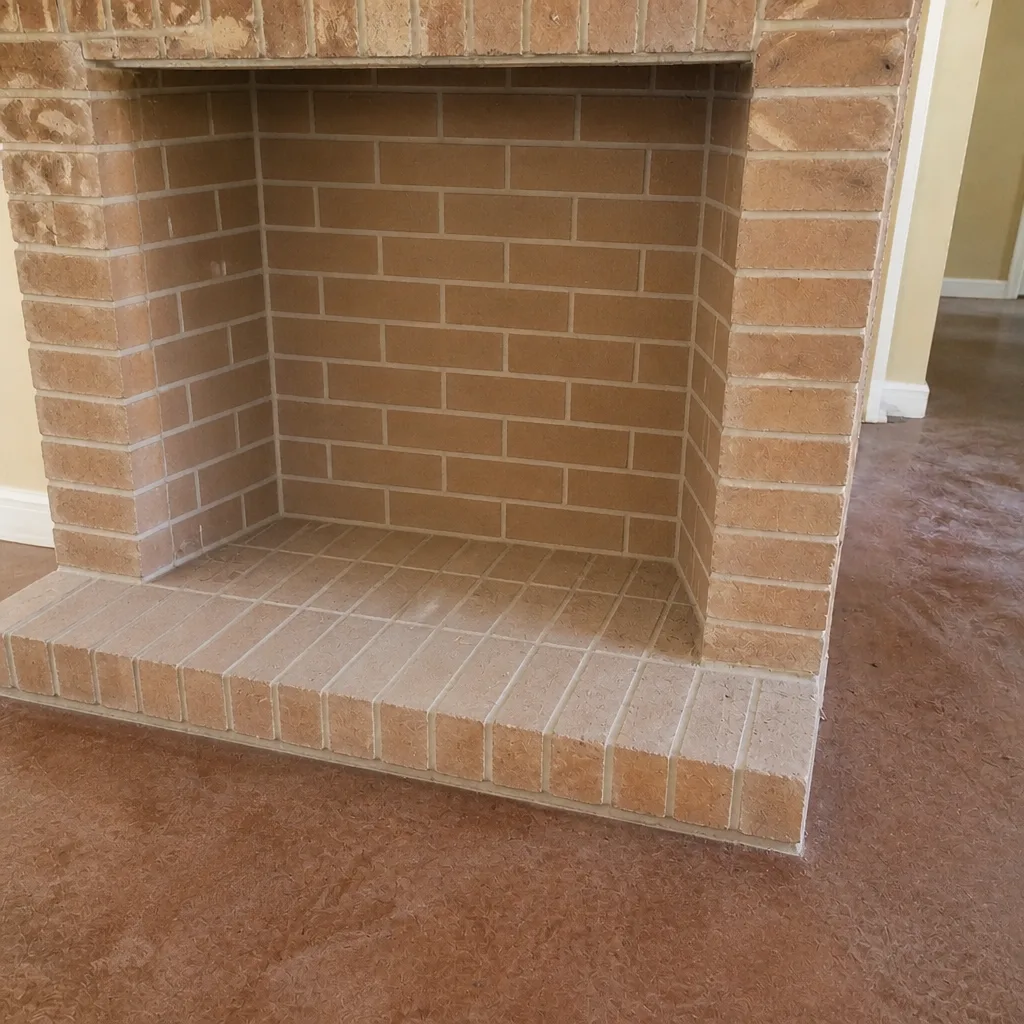
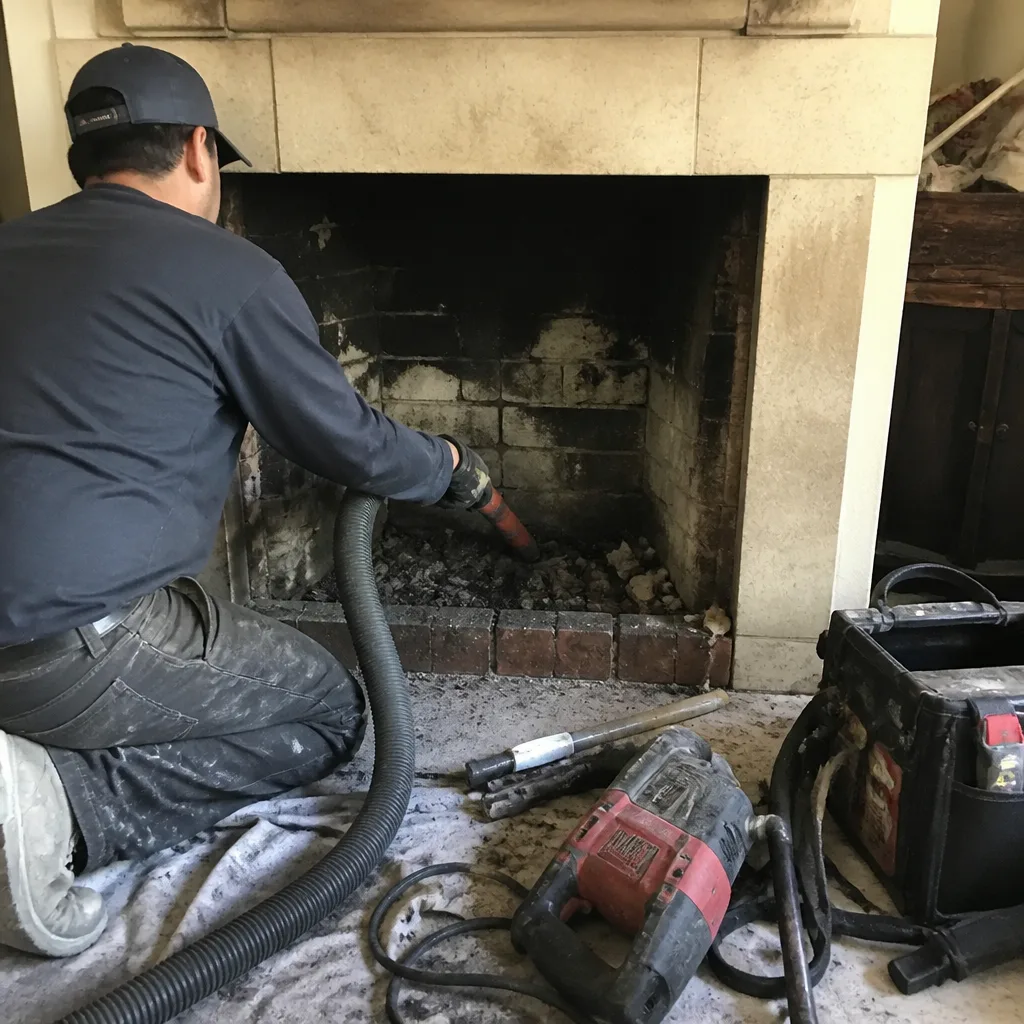
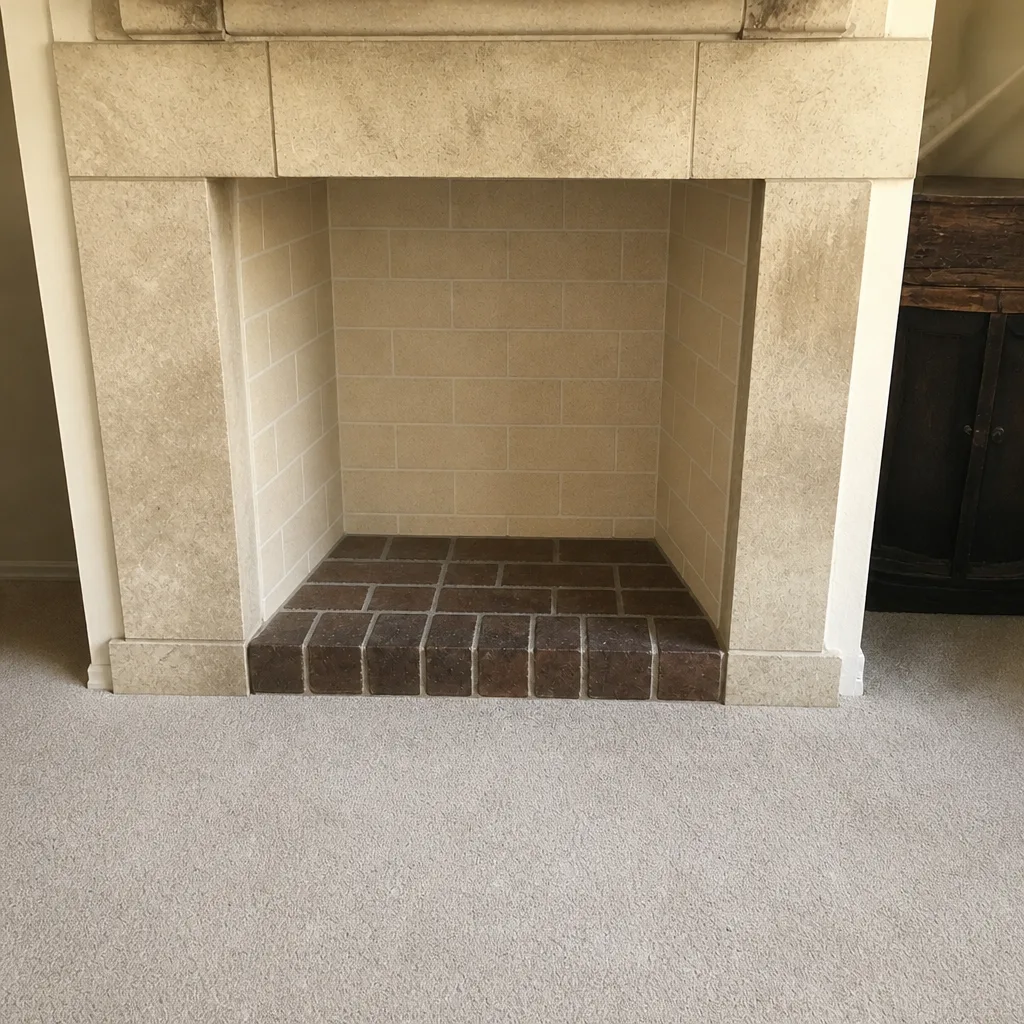
See the difference
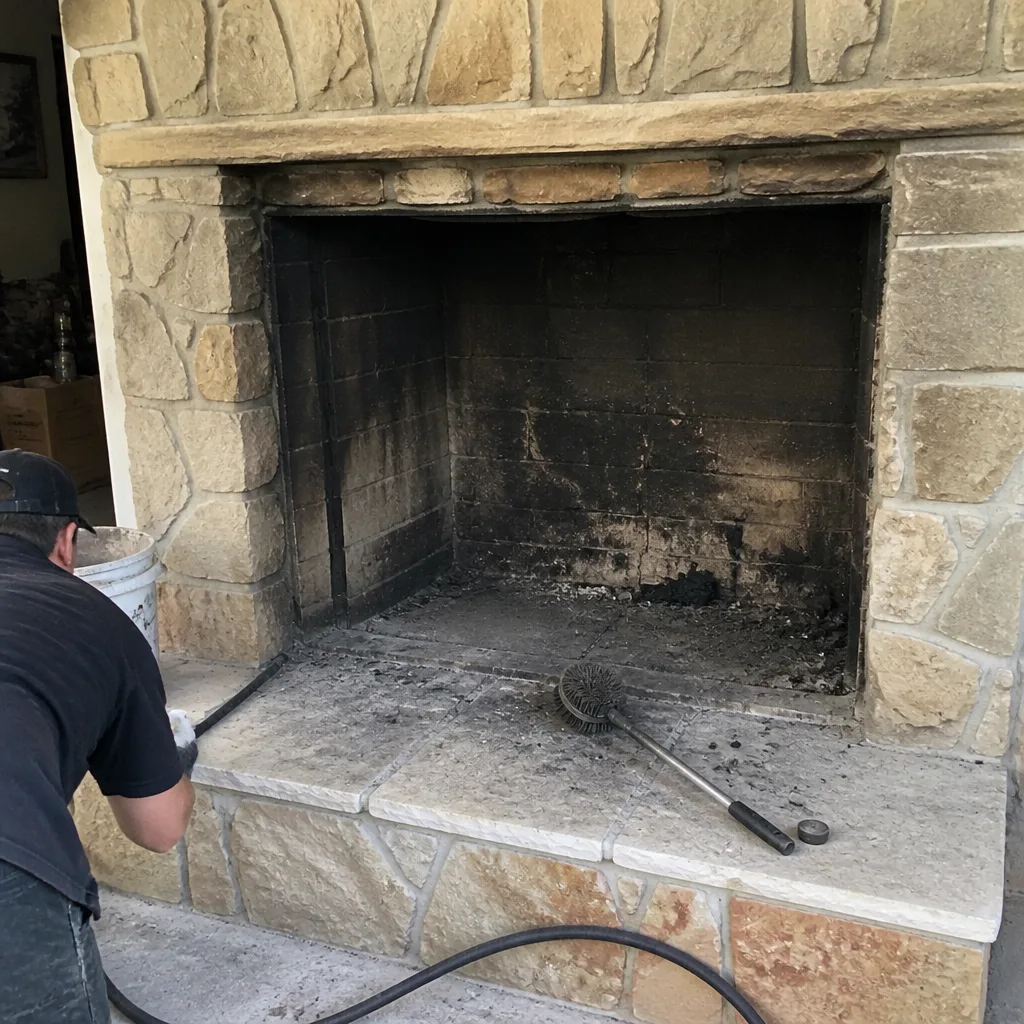 Before
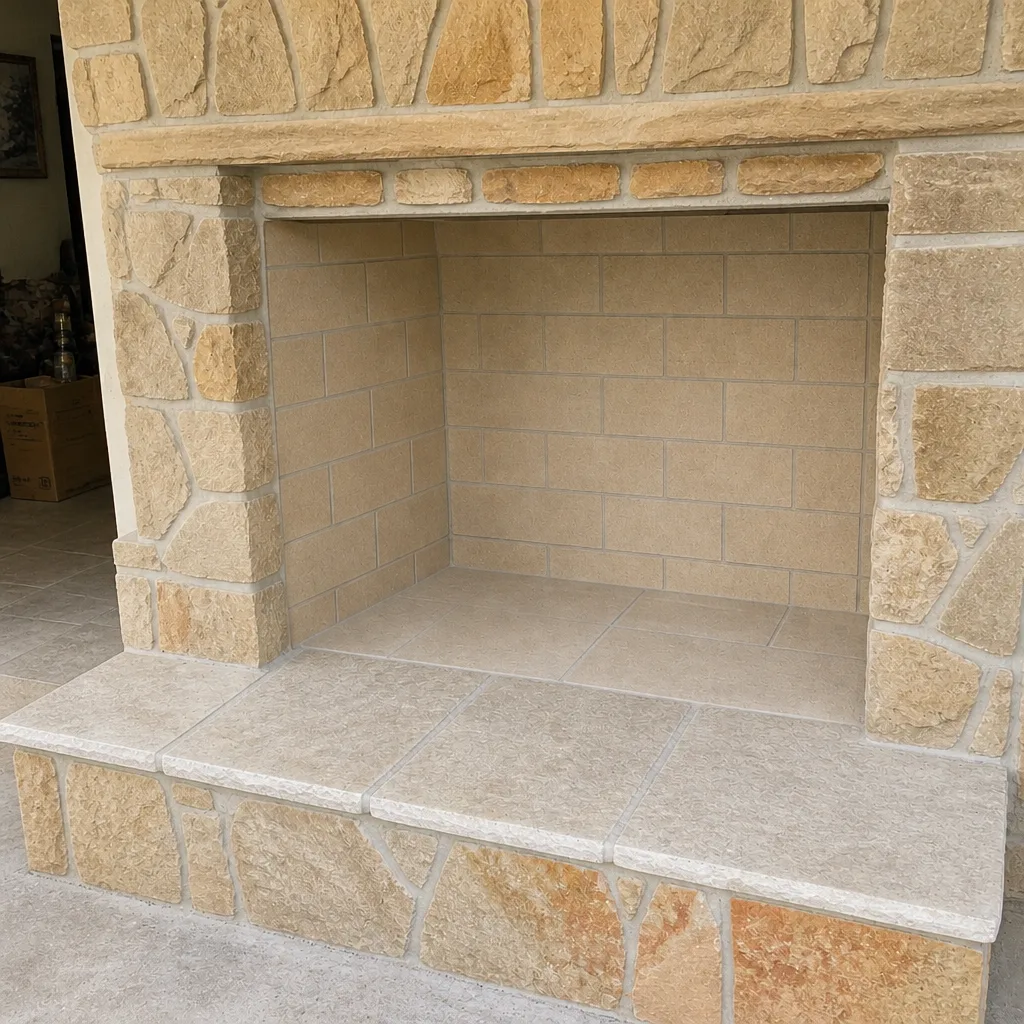 After
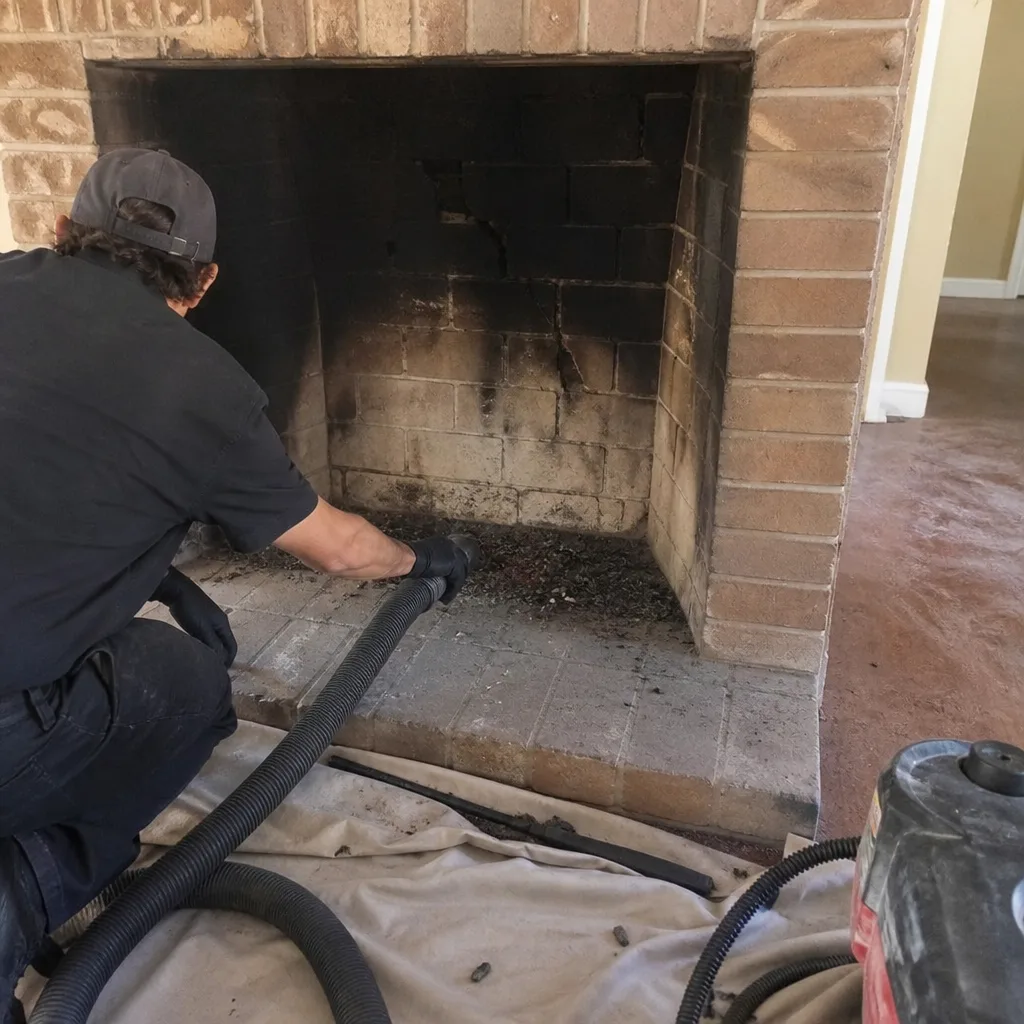 Before
 After
 Before
 After
When to Call a Professional
Some chimney conditions are maintenance tasks; some are safety issues. Call a professional if you find a crack in the firebox brick or mortar, a damper that won’t seal, a blocked flue, a smoke smell in the room, a loose or missing cap, a visible crack in the crown, or visible damage at the flashing. Call when you haven’t had a sweep in a long time, when you’ve been burning heavily, and when your own checks turn up something you’re not sure about. A safety rule to keep in mind: if you suspect a blocked flue or a draft problem, stop using the fireplace until it’s checked. A blocked flue can push carbon monoxide into your home, and that is not a wait-and-see condition. Chimney Sweep Encino offers free estimates for a chimney inspection in Encino, and the inspection is a real diagnostic, not a sales funnel. Call (833) 925-1856. We answer 24/7. Fast dispatch from 7am to 7pm, Sunday through Friday.
Frequently Asked Questions
An annual sweep and inspection is a reasonable baseline for a fireplace used regularly, and it’s the checkpoint that catches the slow problems like crown cracks and soot buildup before they become repairs. Your own interior and ground checks handle the rest between visits. If you burned heavily this season or you’re not sure when the last sweep was, book an inspection sooner. Call (833) 925-1856 for an exact quote; estimates are free.
A chimney sweep is priced per job and set by a written estimate, so the price depends on what your system actually needs. We give you the estimate before you book, so there are no surprises afterward. Call (833) 925-1856 for an exact quote; estimates are free.
Yes, for several checks. You can safely look at the firebox interior walls, the damper operation, and the smoke shelf and flue from the firebox opening. You can’t safely inspect the crown, cap, or flashing yourself, and you should never put anything up the flue. Those parts need a professional or, at minimum, a careful ground-level look with binoculars.
Smoke backing up into the room, a damper that won’t seal, a crack in the firebox or the crown, a loose or missing cap, visible water staining near the roofline, or a smell you can’t place after a fire. Any of those is a reason to stop and call. A blocked flue can send carbon monoxide into the house, so a draft problem is a call-it-today problem.
A worn or sticking damper and a cracked or missing cap are among the most common findings. Both are easy to fix and easy to miss from inside the house. A damper that doesn’t seal and a cap that’s come loose both lead to bigger problems if left alone, so both belong on your October and March checklists.
Yes. Our inspections are a standalone service and end in a plain-language condition report, not an automatic repair pitch. If the report finds something that needs work, we can do the repair, but if the honest answer is that your system is fine, that’s the answer you get. Call (833) 925-1856. We answer 24/7. Fast dispatch from 7am to 7pm, Sunday through Friday.
The Bottom Line
A chimney maintenance checklist works when each check is tied to a specific failure it prevents, and to a specific thing you can safely look at. Here’s the short version. Do the interior checks from the firebox opening: firebox walls, damper action, smoke shelf, and the first visible flue. Do the ground-level exterior checks with binoculars: cap, crown, flashing, and roofline. Time the checks around Encino’s weather: October before fire season, March after, and a look after any Santa Ana wind event. Photograph what you see and write down what you notice, and leave the roof and the flue to a trained professional. When a repair turns up, it gets handled by the same team that found it, whether it’s a liner with a DuraFlex system, a damper, a cap, or a crown. Chimney Sweep Encino handles the whole system from crown to firebox, and every recommendation comes with the evidence behind it. Call (833) 925-1856 for a free estimate. We answer 24/7. Fast dispatch from 7am to 7pm, Sunday through Friday, and we’re closed Saturday.
Written by the team at Chimney Sweep Encino.