
Last updated November 22, 2026
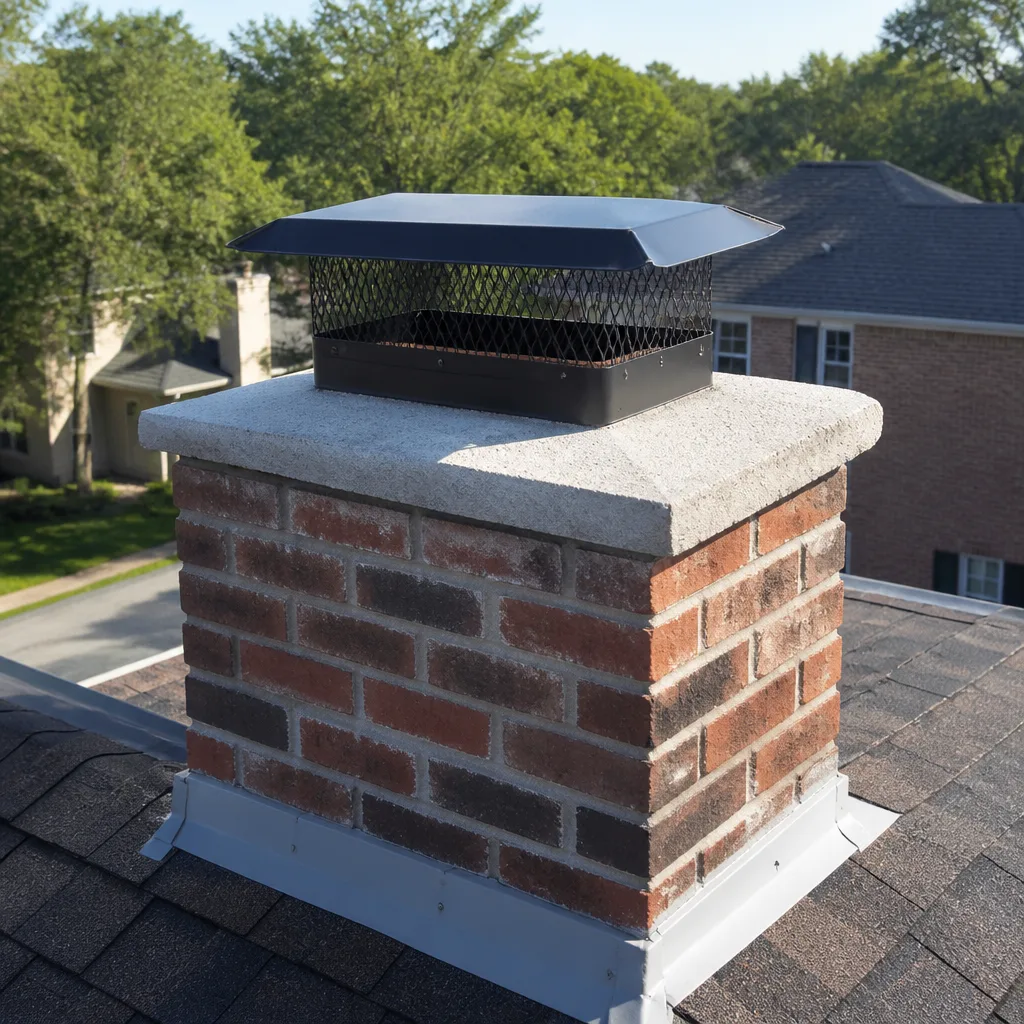 Sweep & inspection
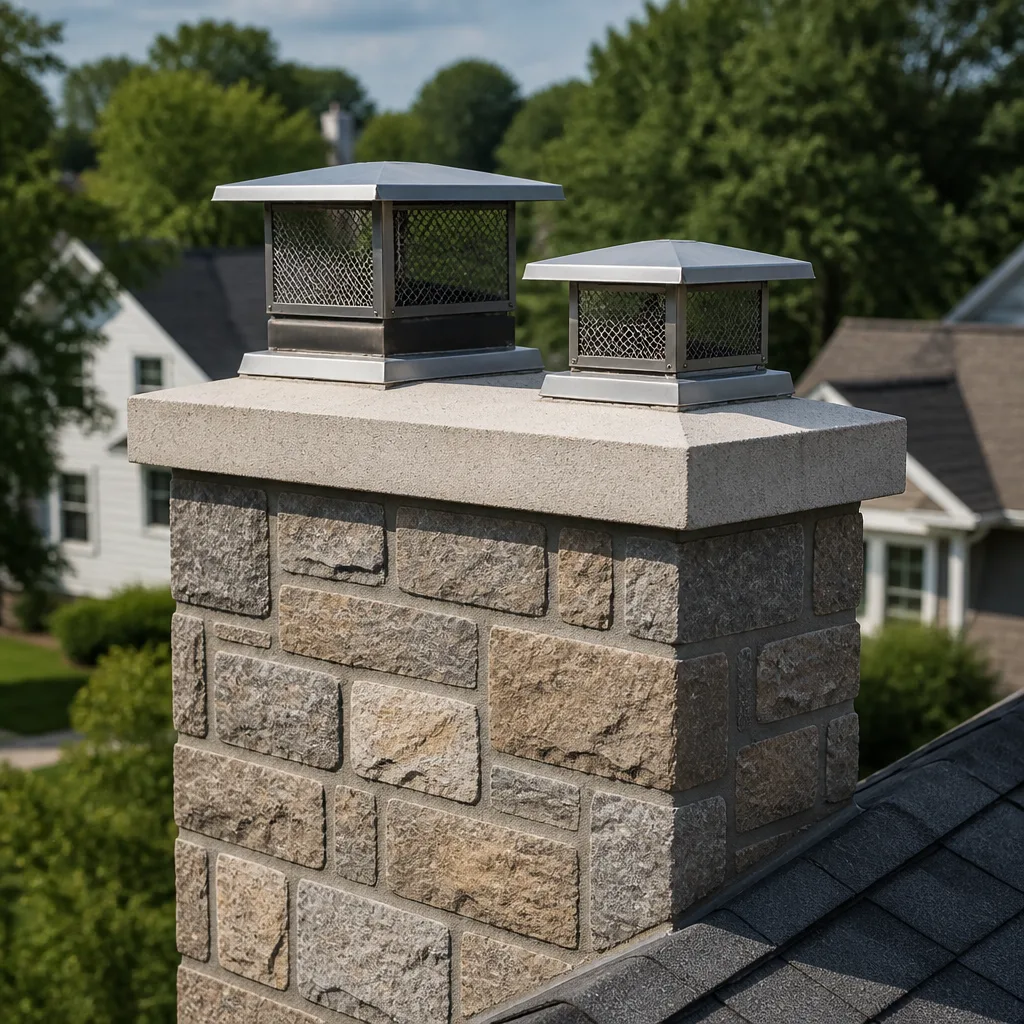 Caps & crowns
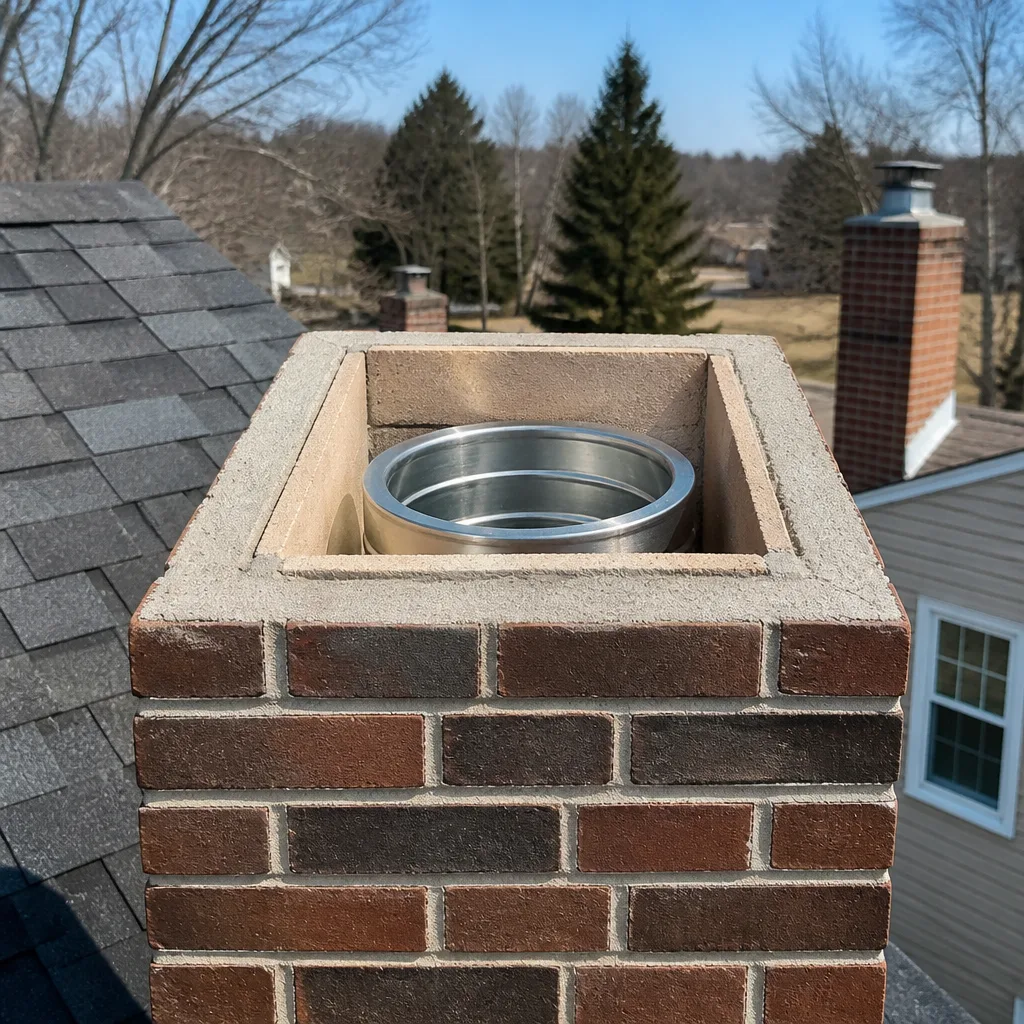 Flue relining
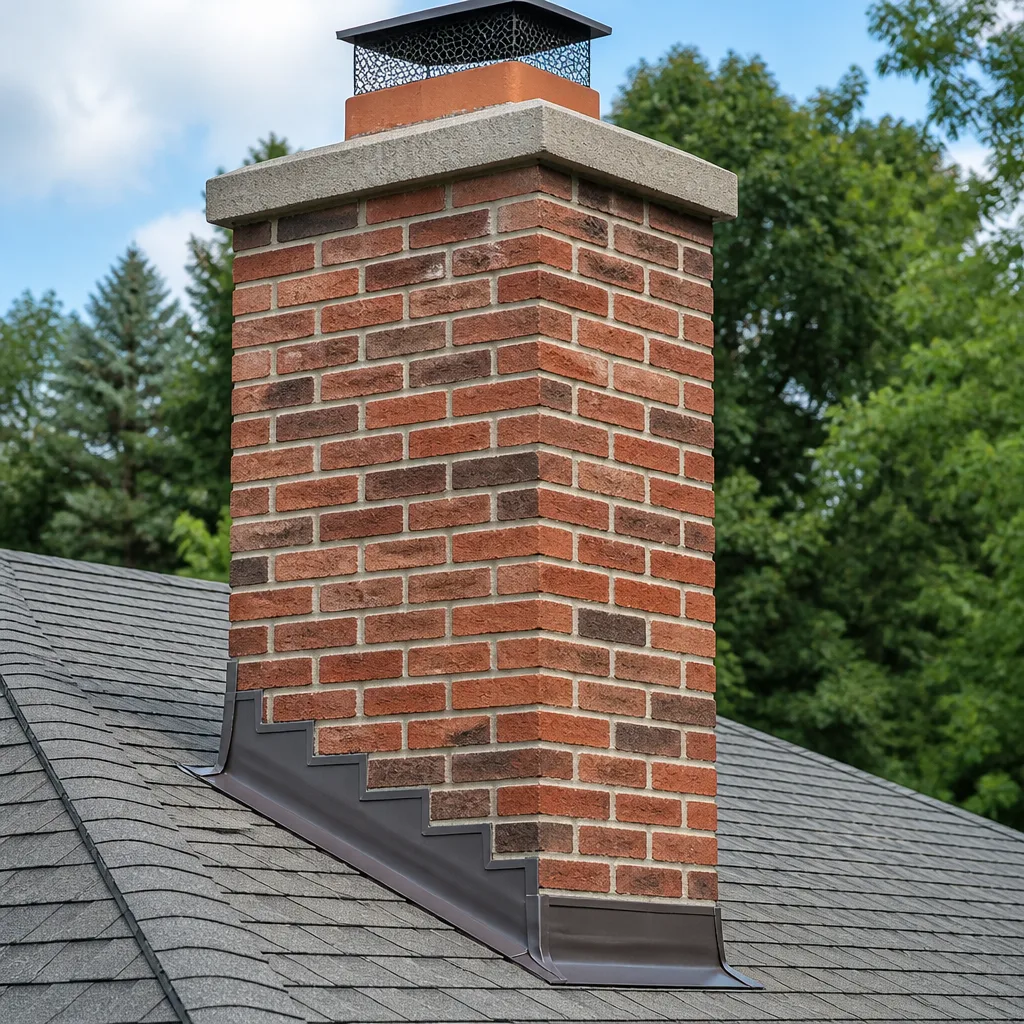 Masonry repair
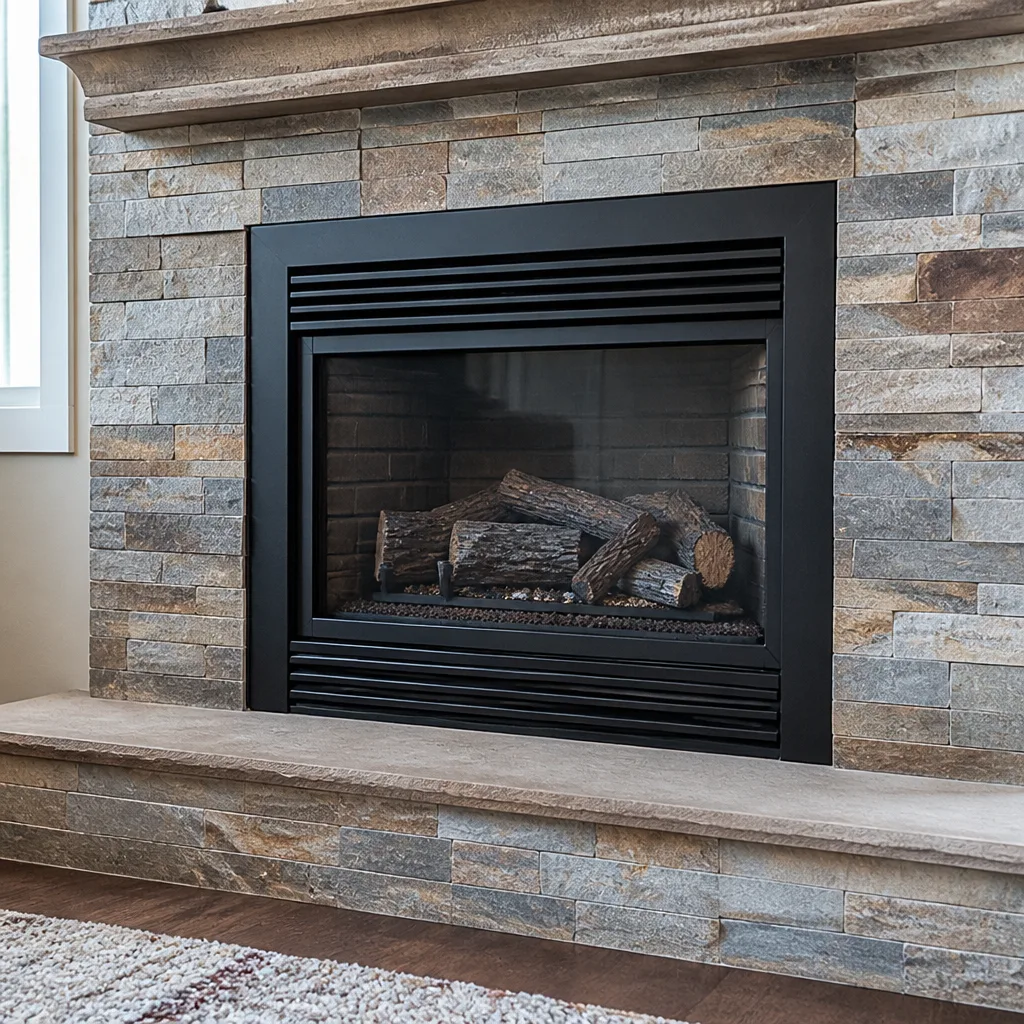 Gas fireplace service
Level 1 sweep and inspection to the NFPA 211 annual standard - flue, crown, cap, and flashing checked and photographed
Chimney sweep logs do not sweep chimneys. They loosen some creosote - which then falls where a brush and vacuum still have to collect it.
DIY vs Professional Chimney Cleaning: The Encino Homeowner’s Decision Guide
You can buy the same brushes a professional uses and run one up your flue yourself. You’d probably get a fair amount of creosote out of it. And you could still end up with a dangerous chimney, because a brush can’t tell you that the tile liner is cracked, that the smoke chamber is unlined, or that the damper no longer seats. Cleaning and inspecting are two different jobs, and only one of them tells you whether your chimney is safe to burn. This guide walks through exactly what a DIY cleaning can and can’t accomplish, where the equipment gap really sits, how California liability works after a self-performed cleaning, and how to decide which path makes sense for your fireplace in Encino.
Quick Answer
DIY chimney cleaning removes creosote but does not assess the chimney’s condition, so it can leave cracked liners, unlined smoke chambers, or poorly seated dampers undetected. A professional service combines cleaning with an inspection that covers the full system from crown to firebox. For most Encino homeowners who burn regularly, the professional visit is the safer choice, and a DIY brushing between visits is a reasonable interim step only if nothing looks wrong.
Styles & brands we work with
- Sweep & inspection
- Caps & crowns
- Flue relining
- Masonry repair
- Gas fireplace service
Table of Contents
- What a DIY Flue Cleaning Can and Cannot Accomplish
- The Equipment Gap: What Professionals Bring That You Can’t Buy at a Hardware Store
- Three Conditions a Brush Can’t See: Liner Integrity, Smoke Chamber, and Damper Seating
- The Liability Reality in California After a Self-Performed Cleaning
- The Decision Matrix: When DIY Is Reasonable and When It Isn’t
- What You Can Legitimately Do Yourself Between Professional Visits
- Why Encino Chimneys Age the Way They Do
- Why a Standalone Inspection Is Worth More Than a Cleaning Alone
What a DIY Flue Cleaning Can and Cannot Accomplish
A homeowner with a properly sized brush and rods can physically remove loose soot and some creosote from the flue. That’s real. If your chimney was swept a year ago and you’ve burned lightly since, a DIY pass can buy you time. The problem is what the brush doesn’t do.
Here’s the honest split.
A DIY flue cleaning can:
- Scrape off light, powdery soot from the flue walls
- Remove a portion of first-degree creosote, the flaky surface deposit
- Clear obvious blockages like bird nests or leaf debris near the top
- Give you a general sense of how much is coming down
A DIY flue cleaning cannot:
- Detect a cracked or spalling clay tile liner
- Reach or assess the smoke chamber above the damper
- Tell you whether the damper still seals or has warped
- Remove glazed third-degree creosote, which bonds to the flue like glass
- Confirm the chimney meets current code for the appliance connected to it
- Document anything for insurance, resale, or a future repair conversation
That third-degree creosote is where DIY brushing often fails outright. Once it glazes, a hand brush slides over it. Removing it takes a rotary system with the right head, and that’s not a homeowner tool. So the flue may look cleaner from the top while the dangerous deposit stays put.
The core issue isn’t whether you can push a brush. It’s that a cleaning without an inspection creates a false sense of safety. You feel done. You aren’t.
The Equipment Gap: What Professionals Bring That You Can’t Buy at a Hardware Store
This is the part most DIY guides skip. The gap isn’t the brush. It’s everything around the brush.
Rotary cleaning systems
A rotary system spins a cutting head at controlled speed, whipping the chain or whip against the flue walls to shear off glazed creosote. Hand brushes can’t do this. If your chimney has baked-on deposits from years of burning, a rotary pass is the only way to remove them without damaging the tile.
Inspection cameras
A camera on a flexible rod goes up the flue and lets the technician see the liner in real detail, including offset flues, mortar joints, and the smoke chamber above the damper. We use ours to document what’s actually there, not to sell a repair. The footage lets you see for yourself.
Gas pressure testing for insert installations
If your home has a gas fireplace insert, the installation has to be verified for draft and combustion safety. That requires a manometer and a technician trained to read it. A DIY check can’t confirm the insert is venting safely, and that’s a carbon monoxide question, not a cleanliness one.
Proper drop cloths, HEPA vacuums, and sealing
A professional setup keeps soot out of your living room. A homeowner with a shop vac and a tarp usually ends up with a fine dust film on the furniture for a week.
The brand of equipment matters less than the training behind it. Our technicians have up to 9 years of experience with these tools, and they work with recognized product lines like Olympia Chimney and DuraFlex when repairs or relining follow an inspection.
Three Conditions a Brush Can’t See: Liner Integrity, Smoke Chamber, and Damper Seating
These three conditions are the real reason a professional visit is worth it. Each one is invisible to a brush and each one matters for fire safety.
1. Liner integrity
Older Encino homes often have clay tile liners with mortar joints every couple of feet. Those joints crack with heat cycling, and tiles spall. A cracked liner lets heat and embers reach the wood framing around the chimney chase. That’s a house fire risk that a clean flue does not solve. Only a camera inspection finds it before it becomes a problem.
2. The smoke chamber
The smoke chamber is the sloped space between the damper and the flue. Many older chimneys have smoke chambers that were never properly parged, which leaves rough corrugated masonry that collects creosote and can’t be swept clean with a straight brush. HeatShield ceramic resurfacing is the process that smooths this out, and most sweep-only services aren’t set up to do it. If your chimney has never been assessed above the damper, you don’t know what’s there.
3. Damper seating
A damper that doesn’t seat means the chimney leaks warm air out of the house when you’re not burning, and it can let smoke roll back into the room. You can’t tell from the firebox whether the damper is actually sealing. The technician checks it as part of the inspection.
None of these are visible from the hearth. None of them are caught by a brush. This is the difference between cleaning and inspecting, and it’s the reason we treat them as two separate services.
The Liability Reality in California After a Self-Performed Cleaning
Here’s what nobody tells homeowners. If a chimney fire happens after a self-performed cleaning with no inspection record, the insurance claim gets complicated.
California homeowners insurance generally covers sudden and accidental damage from a chimney fire. But when an insurer looks at a claim, they look at maintenance. A homeowner who swept their own flue and had no documented inspection has a harder time showing the loss was sudden and not the result of neglected conditions. A chimney that cracked a liner months earlier and was never looked at raises questions. Documentation of a professional inspection changes that conversation.
We’re not saying every DIY cleaning leads to a denied claim. That’s not how it works. But no record of an inspection, combined with visible deterioration on inspection after the fact, is the exact combination that turns a straightforward claim into a slow one. A written inspection report is the homeowner’s record of due diligence, and it costs nothing to have on file.
The other side of the liability picture: if you clean your own flue and you damage a tile in the process, you’ve created a repair that would have been caught earlier with an inspection. That’s a cost you didn’t need to pay. Sweeping is not destructive work, but a rotary head in the wrong hands at the wrong speed is.
We tell every homeowner the same thing: inspect first, recommend second. A chimney sweep that comes with a proper inspection gives you a record of the chimney’s condition on the day of the visit, and that record is yours to keep.
The Decision Matrix: When DIY Is Reasonable and When It Isn’t
Some Encino homeowners are in a position where a DIY brushing between professional visits is perfectly sensible. Others are not. Here’s how to tell which camp you’re in.
DIY brushing is a reasonable interim step if:
- Your chimney was professionally inspected and swept in the last 12 months and nothing needed repair
- You burn fewer than 10 fires a season and use seasoned hardwood
- You’re between visits and want to keep soot from building up before a professional sweep
- You can see the full flue from the top or bottom without obstruction and understand what you’re looking at
Professional service is non-negotiable if:
- You have never had a documented inspection
- You’ve had a chimney fire, even a small one
- You hear creosote popping or roaring from the flue when you burn
- The firebox shows visible cracking, missing mortar, or rusted metal
- Your chimney is unlined or your liner is older than the home’s last major remodel
- You’ve installed a gas insert or changed appliances without a venting check
- You’re buying or selling the home and need documentation
- The chimney is on an older Encino property with clay tile lining and unknown history
The dividing line is simple. If inspection has already confirmed the chimney is in good shape, DIY between visits is fine. If nobody has looked at the liner, the smoke chamber, or the damper with a camera in the last few years, brushing is a guess dressed up as maintenance.
What You Can Legitimately Do Yourself Between Professional Visits
There’s plenty a homeowner can do. None of it involves the flue, and all of it extends the interval between professional visits.
- Clean the hearth and firebox floor. Sweep ash out, and use a shop vac on the cool surface. Keeping ash from piling up reduces the mess that ends up in the flue.
- Clean the firebox glass. A paste of baking soda and warm water, or a fireplace glass cleaner, removes soot film. You get a clearer view of how the fire is burning, which is itself a diagnostic.
- Remove ash regularly. Ashley residue on the grate and firebox floor affects airflow. Empty it when it’s cool, and keep it in a metal container with a lid.
- Do an exterior visual check. From the ground, look at the chimney cap and crown. Is the cap intact? Is the crown cracked? You can’t fix these, but you can see them and note them for the next technician.
- Check the cap mesh. If birds or squirrels have breached the screen, that’s a professional fix, but you can spot the problem from the ground before it becomes a nest in the flue.
- Check the damper handle. Open and close it a few times before the season. If it sticks or doesn’t seat, note it for the visit.
- Monitor how the fire burns. If smoke rolls into the room, the draw is poor. That’s not a cleaning issue, and it’s worth flagging.
Those are the tasks that actually protect the chimney. Cleaning the hearth and glass is not a substitute for a professional sweep, but it makes the house safer and reduces the chance of a surprise on the next visit. It also makes the technicians’ job easier when they’re out.
Why Encino Chimneys Age the Way They Do
Encino sits in the San Fernando Valley, where summer heat and dry air do a specific kind of work on a masonry chimney. Thermal cycling from hot afternoons to cooler nights stresses the crown and the mortar joints year after year. That’s a real failure mode here, and it’s why the crown, the concrete cap at the top of the chimney, cracks over time. A cracked crown lets water in, and water in the chimney chase causes the kind of damage that shows up as spalling brick and cracked tile liners.
Winters here are mild, but that doesn’t mean the chimney is off the hook. A homeowner in Encino who burns through the cooler months and lets the chimney sit idle the rest of the year still builds creosote. Creosote doesn’t care that the winter is short. It builds up from every fire, and it doesn’t go away when the chimney cools down.
The other Encino-specific factor is the housing stock. Older homes around Encino often have clay-tile-lined chimneys that were built to a different code than current. Some have smoke chambers that were never properly parged. Some have had a gas insert or a new firebox added without a liner update. None of that is visible until someone looks inside the flue. When we work in Encino, we see the full range: original tile liners that are fine, and ones that have cracked mortar joints waiting for a fire to find them.
We cover the whole system when we’re out, crown to firebox. chimney cap & crown work, fireplace repair, and liner assessment happen in the same visit because looking at one without the others doesn’t tell you anything useful about the chimney. We name the materials we use, including DuraFlex liner systems and HeatShield resurfacing, so you know what’s going into your house.
Why a Standalone Inspection Is Worth More Than a Cleaning Alone
Most chimney visits in Encino bundle a sweep with an inspection and sometimes an upsell. We treat inspection as its own service, on purpose. Here’s why that matters to a homeowner making the DIY-versus-professional decision.
A sweep removes creosote. An inspection answers a different question entirely: is this chimney safe to use, and what will it need to stay that way? Those are separate jobs. A homeowner who only gets a sweep gets one answer, and it’s not the one that matters most.
When you book a standalone inspection, you get a condition report before any repair conversation begins. That report tells you the state of the flue liner, the smoke chamber, the damper, the crown, the cap, and the firebox. If everything is sound, we tell you so and the visit ends there. If something needs attention, you know what it is and you can decide when to act.
This is the part that matters for the DIY decision. The inspection is what tells you whether a DIY brushing between professional visits is safe. Without it, you’re guessing. With it, you know.
If a repair comes out of the inspection, we handle it. That includes cap and crown work, fireplace repair, and relining with a DuraFlex flexible stainless-steel system when the liner is too far gone to repair. We don’t hand off to a second contractor, and we don’t recommend a repair we can’t do.
Common Mistakes to Avoid
- Thinking a clean flue is a safe flue. A brush removes deposits. It doesn’t examine the liner, the smoke chamber, or the damper. The two are different jobs, and one without the other leaves the dangerous parts unchecked.
- Grabbing a wire brush for glazed creosote. A hand brush doesn’t touch glazed third-degree creosote, and forcing it can score the clay tile. Rotary removal is a professional tool for a reason.
- Cleaning without sealing the room. A shop vac with no HEPA filtration blows fine soot through the house. What ends up on the furniture is a sign of what ended up in your lungs.
- Skipping the inspection because the flue “looked fine” from the fireplace. You can’t see the smoke chamber, the upper flue, or the crown from the firebox. That’s the exact blind spot where problems hide.
- Burning unseasoned wood to “save money” on firewood. Green wood puts more creosote into the flue with every fire. It’s the single fastest way to fill a chimney back up after a cleaning.
- Ignoring a gas insert installation check. A gas insert that wasn’t pressure-tested for draft is a carbon monoxide risk. That check is not a DIY inspection.
- Assuming the chimney needs a rebuild because someone said “relining.” A flexible DuraFlex liner is often the correct fix and costs far less than a rebuild. Get the inspection report first and read it.
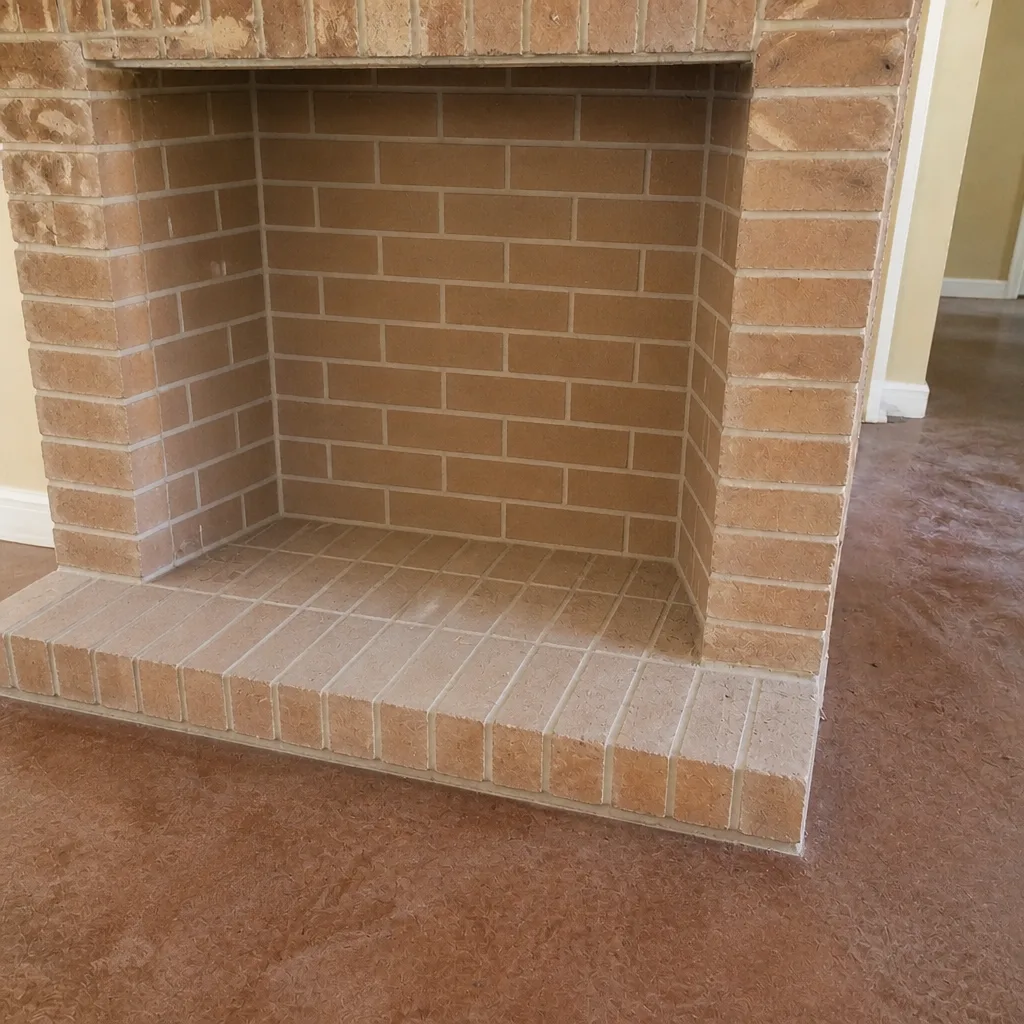
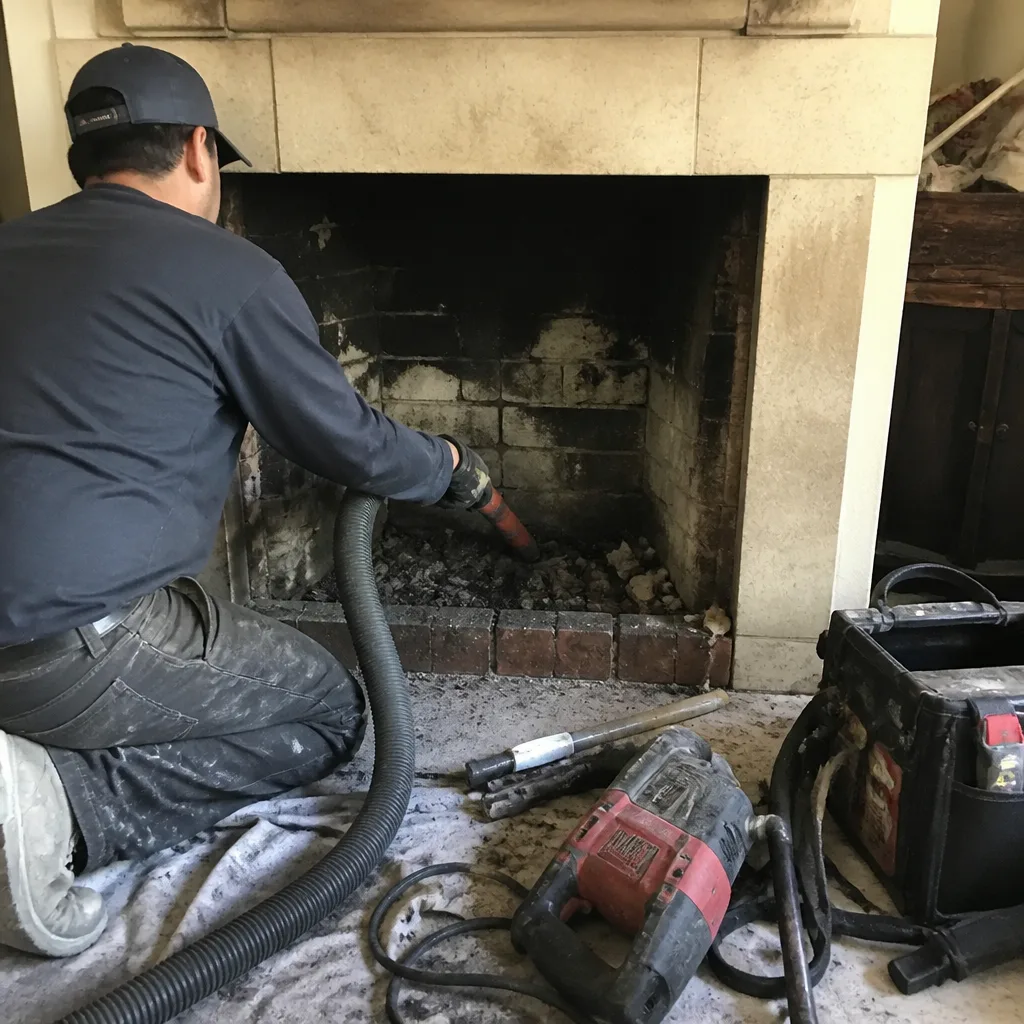
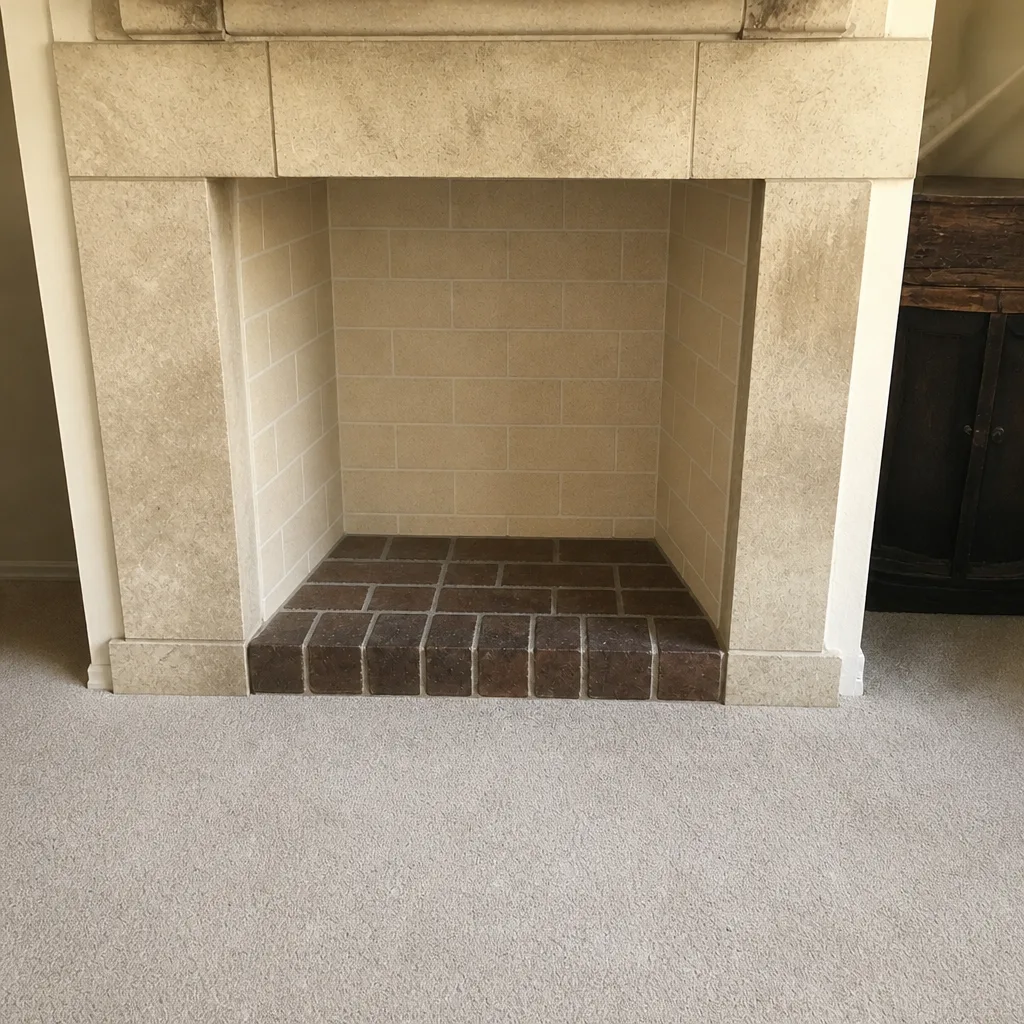
See the difference
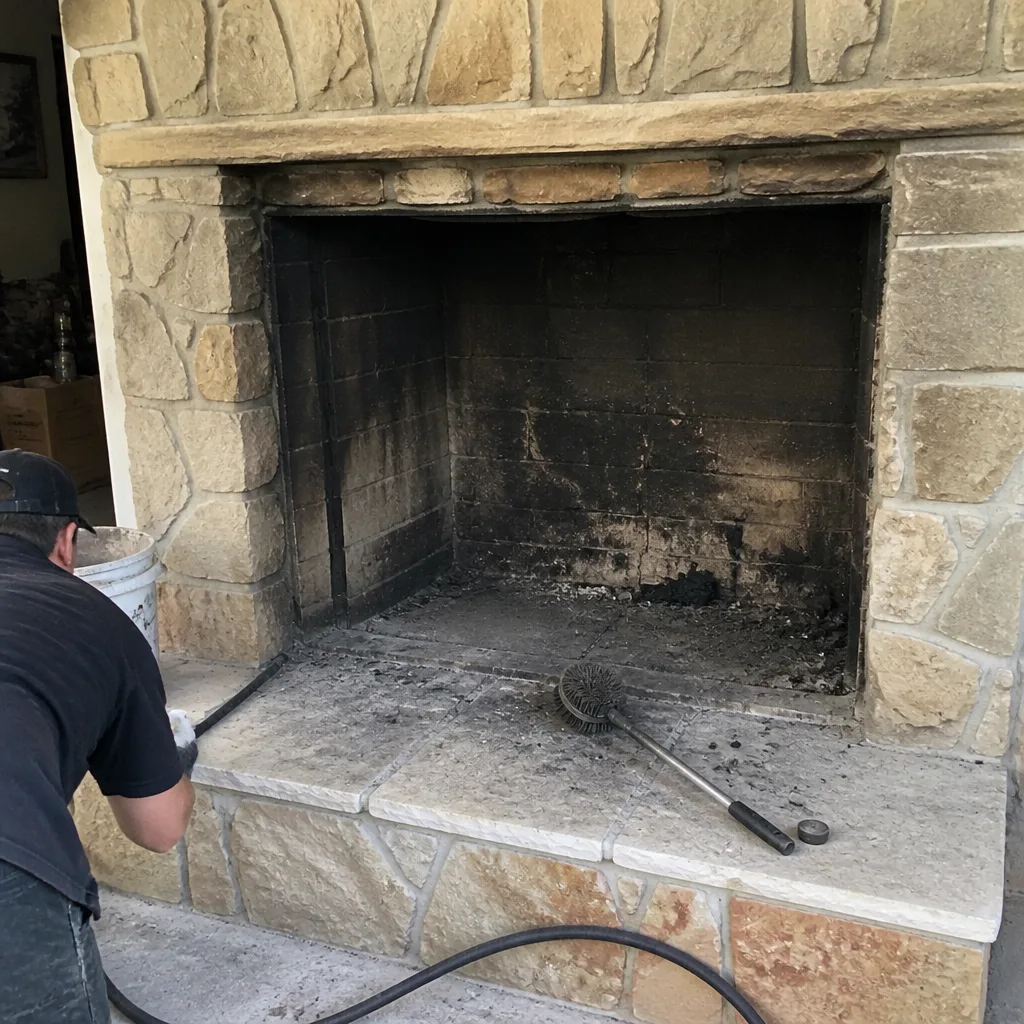 Before
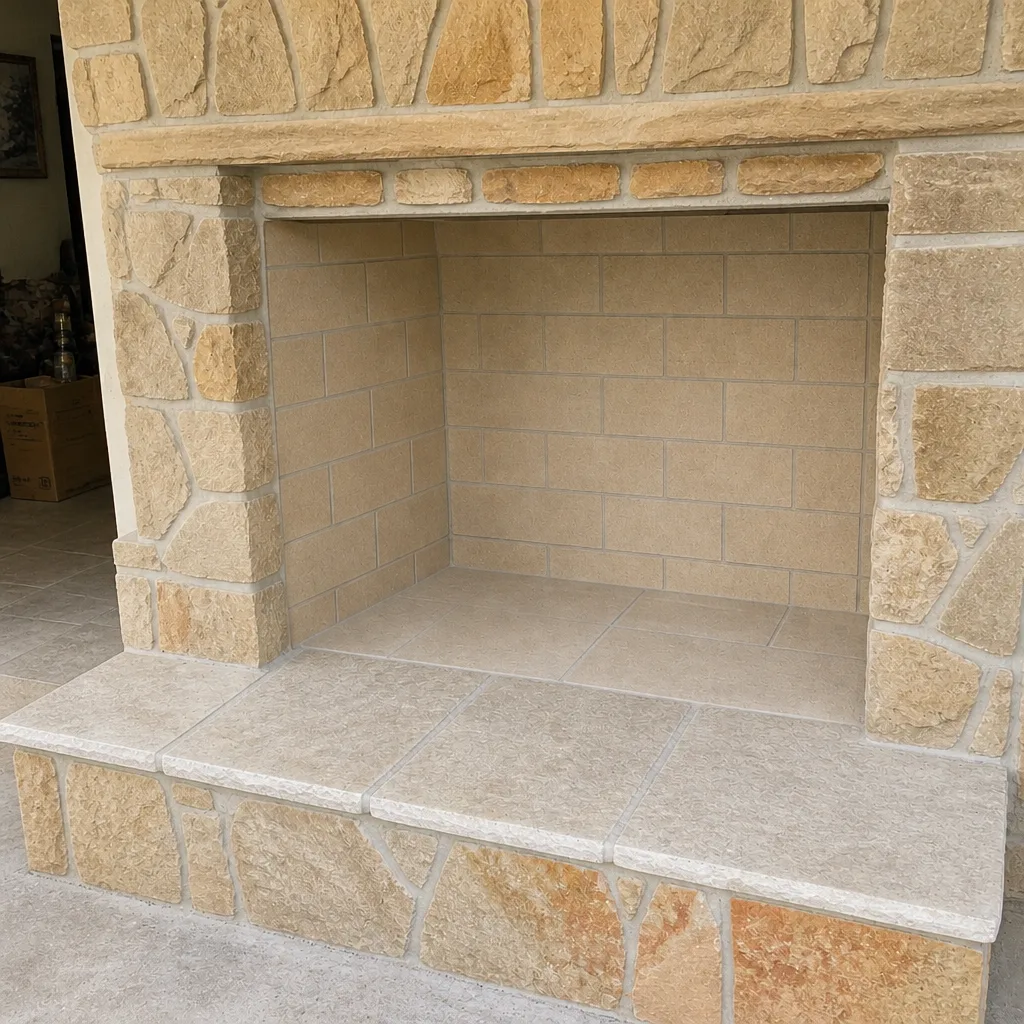 After
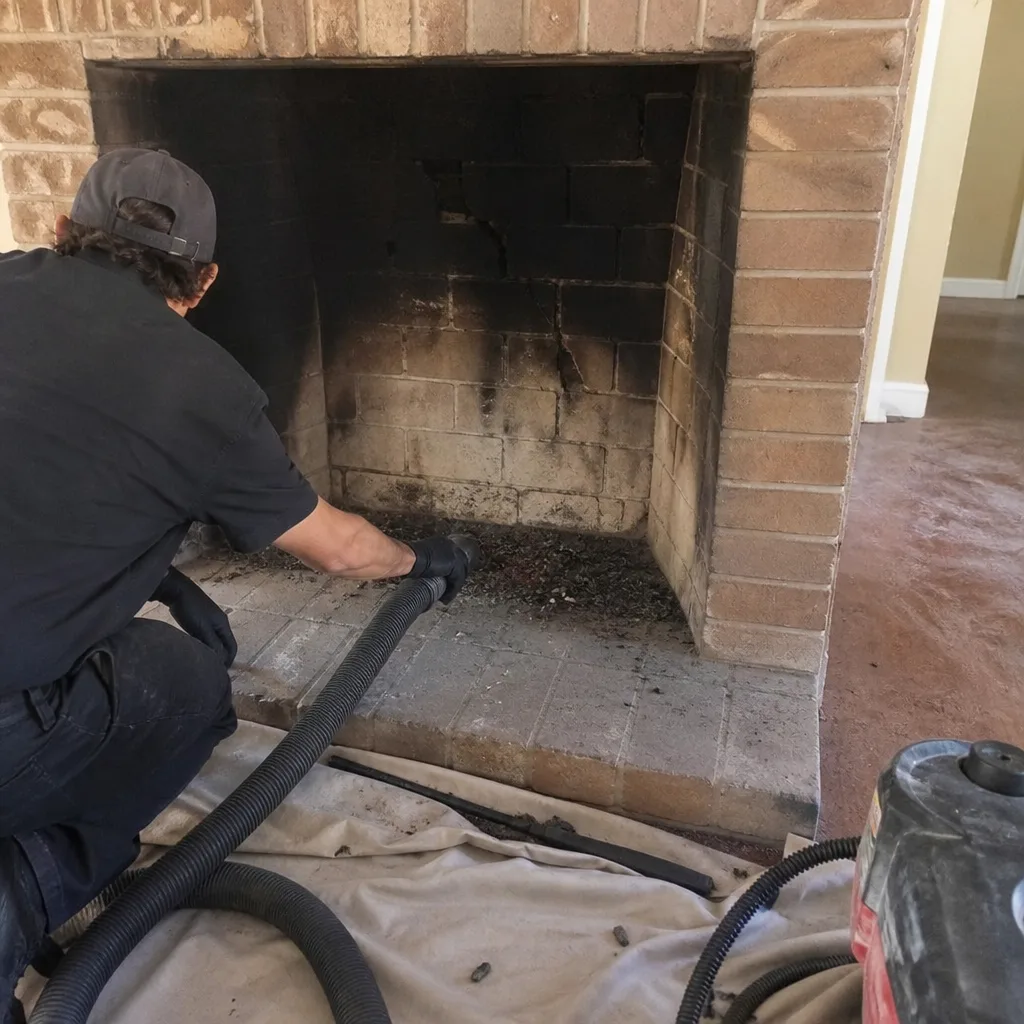 Before
 After
 Before
 After
When to Call a Professional
Call a professional when you don’t have a documented inspection in the last year, when you’ve had a chimney fire, when you hear creosote popping or roaring during a burn, when the firebox shows cracking or rusted metal, or when the chimney is unlined or has never been checked with a camera. Also call if you’re buying or selling the home and need documentation, or if a gas insert was installed without a venting check. Carbon monoxide and chimney fire are the two risks that make a professional visit worth the money, and neither shows up in a visual check.
Chimney Sweep Encino offers free estimates in Encino. Call (833) 925-1856. We answer 24/7. Fast dispatch from 7am to 7pm, Sunday through Friday. Our technicians have up to 9 years of experience and will give you a written condition report before any repair is discussed.
Frequently Asked Questions
Pricing is per job and set by a free written estimate, so the only honest answer is that it depends on the chimney and what the visit turns into. A standard sweep and inspection is one thing; a visit that includes rotary creosote removal, a liner assessment, and a cap or crown repair is another. Call (833) 925-1856 and we’ll book a free estimate so you have a written number before any work starts. The estimate sets the final price.
Only if the inspection camera shows a cracked or spalling liner, or a lining that no longer meets code for your appliance. A lot of chimneys don’t need a new liner, and we say so when the report comes back clean. When a liner does need replacing, a DuraFlex flexible stainless-steel system is often the right fix and is far less expensive than a rebuild. Ask for the camera footage and look at it yourself before you agree to anything.
The general rule is once a year during the burning season, or more often if you burn frequently or notice build-up. For a house in Encino that burns through the cooler months, an annual inspection with a sweep as needed is the right cadence. If the flue shows heavy creosote on the camera, the interval shortens.
Creosote keeps building, and glazed deposits can ignite. A chimney fire can crack the liner and let heat reach the wood framing. Carbon monoxide from a damaged flue or a bad gas insert connection is the other risk, and it doesn’t announce itself. If it’s been a while since the chimney was looked at, call (833) 925-1856 and get it on the schedule before the next burning season.
You can clean it, but skipping the inspection means you won’t know if the liner, smoke chamber, or damper is compromised. That’s the gap that makes a DIY cleaning risky. If you want to brush between visits, get a professional inspection first so you know the chimney is sound to start with. Call (833) 925-1856 to book one.
A hardware store brush will fit, and it will scrape light soot. It won’t remove glazed creosote, and it won’t tell you anything about the liner. If the flue has visible build-up or the chimney hasn’t been assessed, a rotary cleaning with a camera inspection is the right call. Call (833) 925-1856 for a free estimate.
HeatShield is a ceramic resurfacing process for the smoke chamber and flue that smooths rough or damaged masonry so creosote can’t cling to it. It’s a factory-trained, product-specific skill and is not a DIY job. It’s typically recommended when the inspection shows an unlined or rough smoke chamber. Ask about it at your estimate.
The Bottom Line
The DIY versus professional question comes down to one thing: cleaning without inspecting leaves the most dangerous parts of the chimney unexamined. A brush removes soot. It doesn’t find a cracked liner, an unparged smoke chamber, or a damper that no longer seats. For an Encino homeowner with a documented inspection in the last year, brushing between visits is a reasonable interim step. For everyone else, start with an inspection. It tells you what you’re dealing with, gives you a record for insurance, and lets you decide what actually needs doing. We tell you what we find, and we tell you what can safely wait. Call (833) 925-1856 for a free estimate and get a written condition report before any repair is on the table.
Written by the team at Chimney Sweep Encino.