
Last updated November 22, 2026
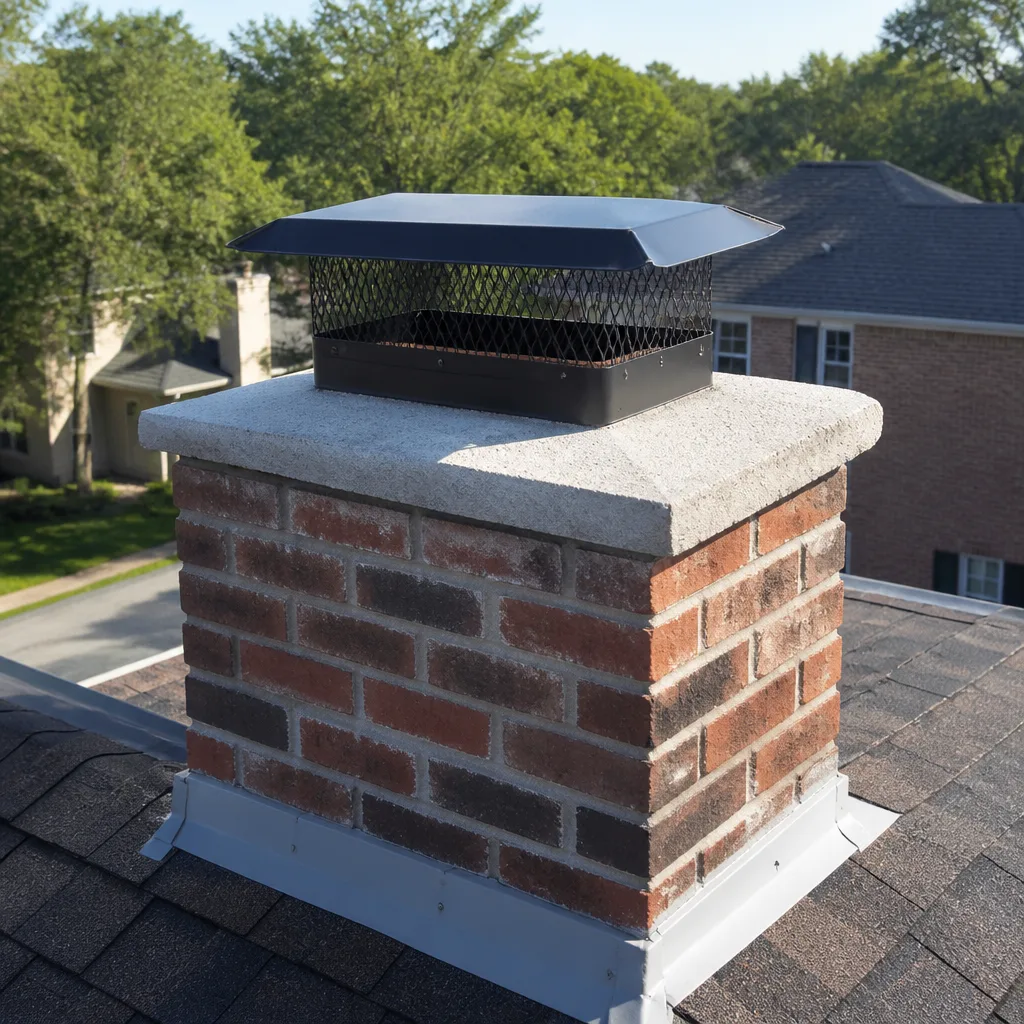 Sweep & inspection
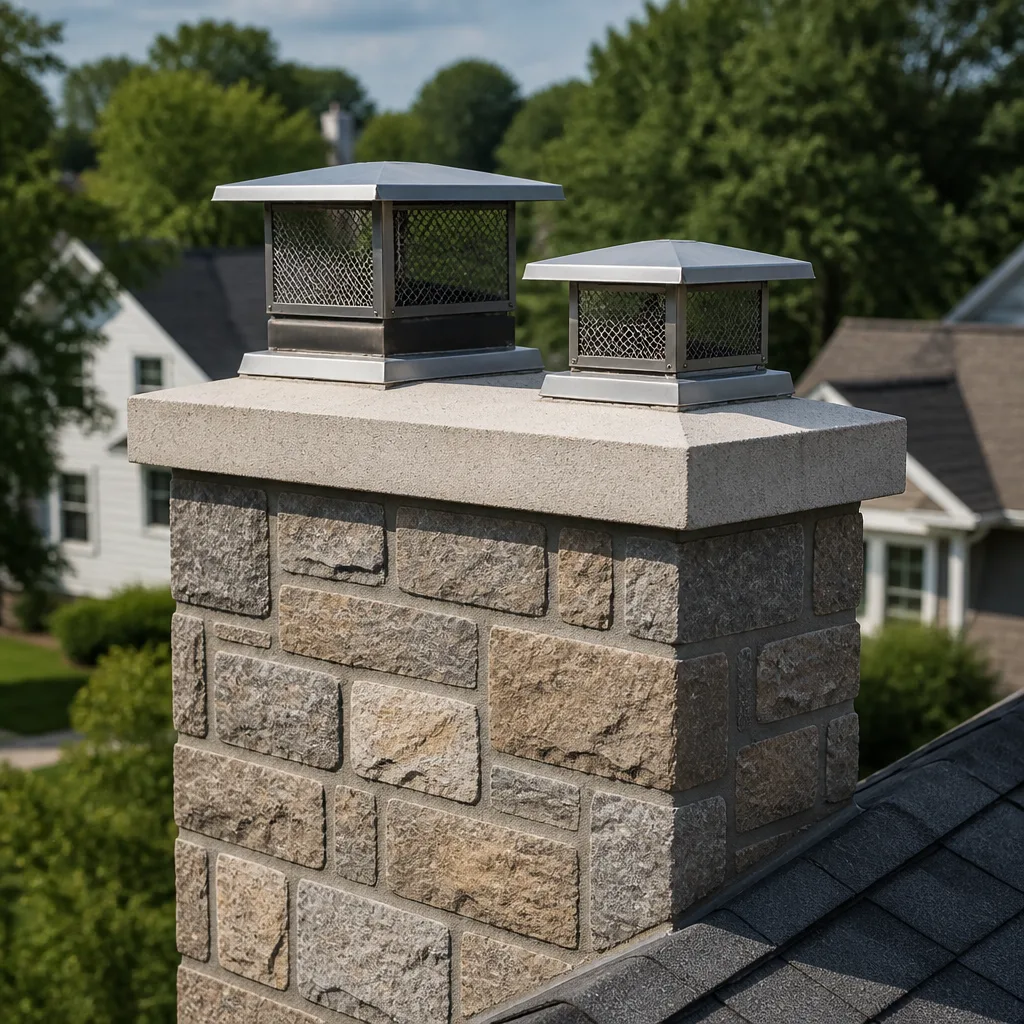 Caps & crowns
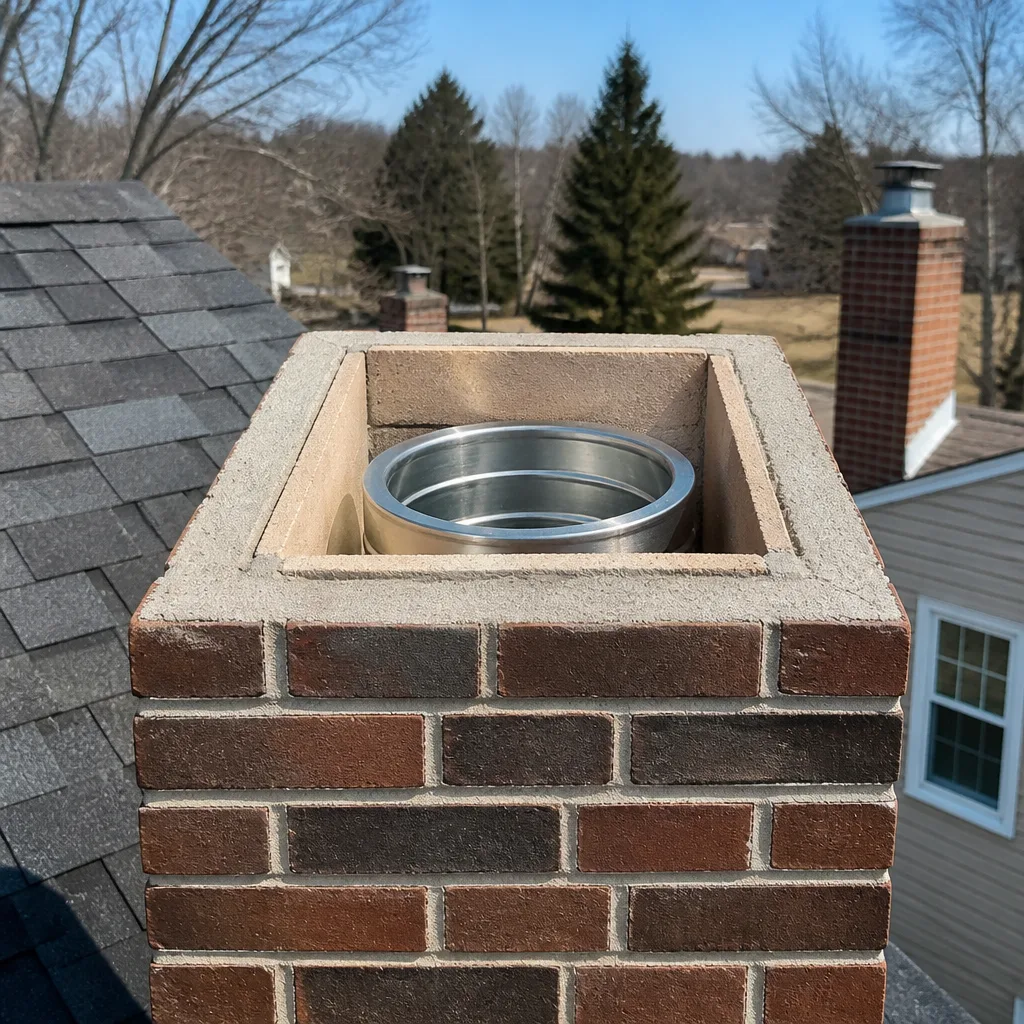 Flue relining
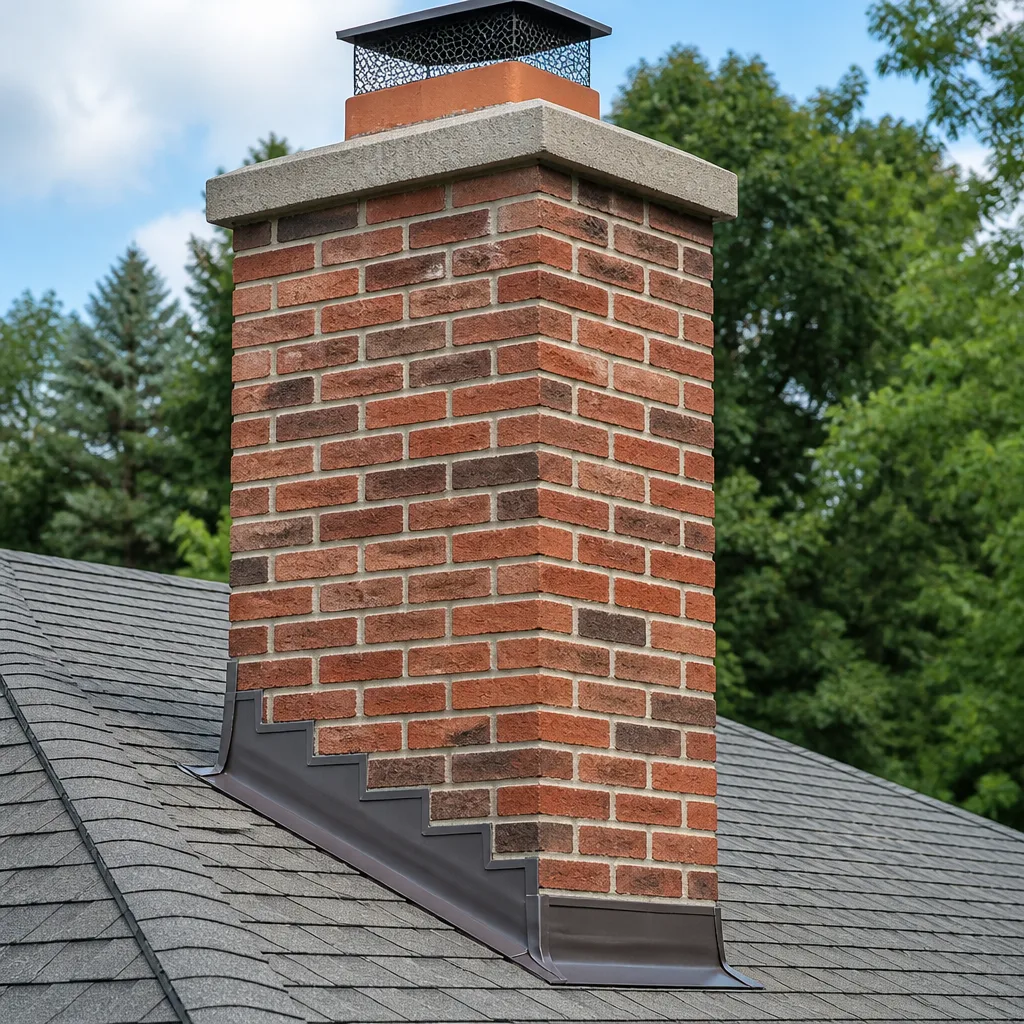 Masonry repair
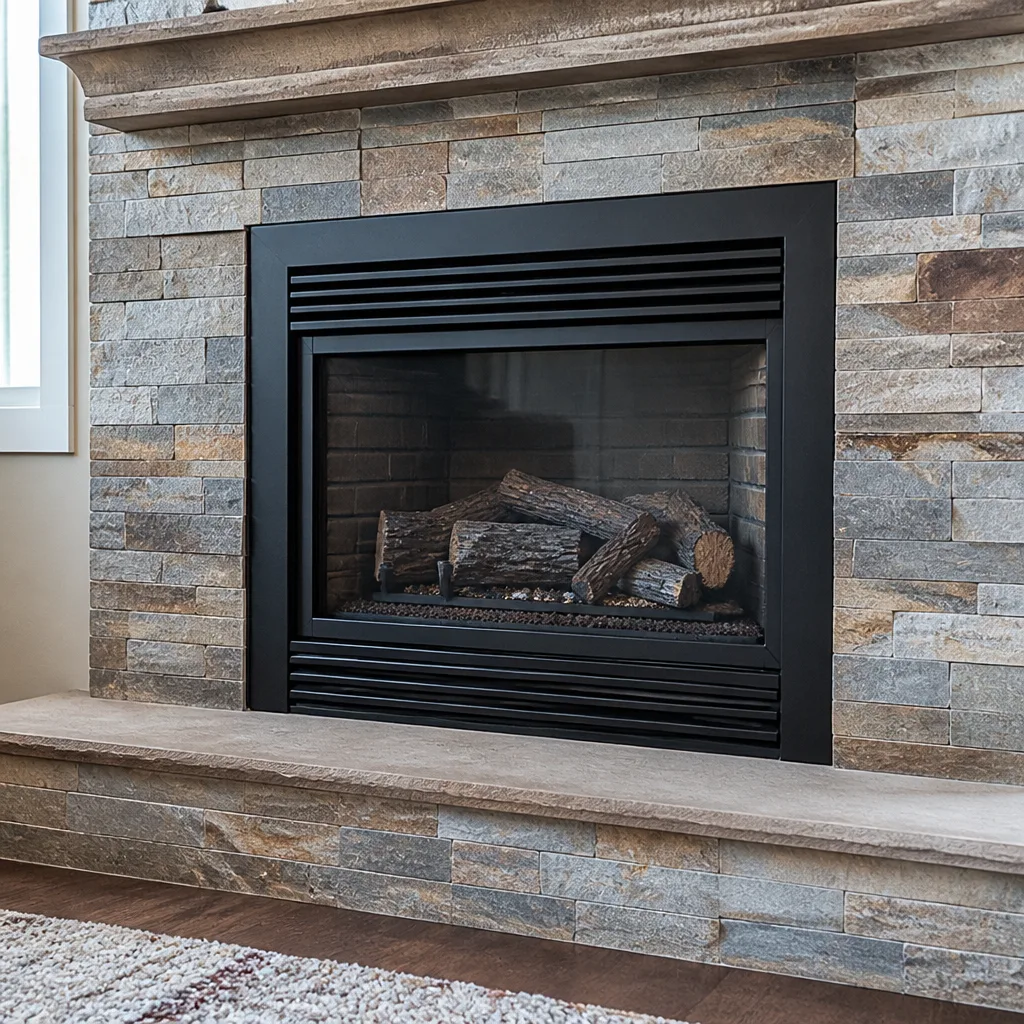 Gas fireplace service
Level 1 sweep and inspection to the NFPA 211 annual standard - flue, crown, cap, and flashing checked and photographed
Chimney sweep logs do not sweep chimneys. They loosen some creosote - which then falls where a brush and vacuum still have to collect it.
How to Hire a Chimney Cleaning Contractor in Encino: A Step-by-Step Guide
There’s no state license required in California specifically to sweep chimneys. That’s not a loophole we’re pointing out to alarm you – it’s the single fact that changes how you should shop for this work. A truck, a set of brushes and a website are enough to put someone in business, which means the burden of vetting falls almost entirely on you, the homeowner. Most hiring guides skip that reality and jump straight to “ask for references.” This guide doesn’t. What follows is the practical sequence we’d use ourselves if we were hiring in Encino: how to verify certification, what to ask before anyone books a visit, and how to read a written estimate so you know exactly what you’re paying for.
Quick Answer
To hire a chimney cleaning contractor in Encino, verify CSIA certification on the Chimney Safety Institute of America database (not just the logo on a truck), confirm the sweep also performs repairs in-house, and insist on a written report documenting what was found with photos. Ask three questions before booking: what inspection level is included, whether findings are documented in writing, and which brands and materials are used for any repair. A contractor who can’t answer all three clearly is the one to pass on.
Styles & brands we work with
- Sweep & inspection
- Caps & crowns
- Flue relining
- Masonry repair
- Gas fireplace service
Table of Contents
- Why Chimney Sweeping Has Almost No Barrier to Entry
- What CSIA Certification Actually Means and How to Verify It
- The Questions to Ask Before You Book
- Inspection Levels Explained: What You’re Actually Paying For
- Red Flags Specific to the Los Angeles Market
- How to Read a Written Estimate Line by Line
- Why Your Sweep Should Also Do Repairs
- Common Mistakes to Avoid
Why Chimney Sweeping Has Almost No Barrier to Entry
California does not issue a chimney sweep license. There is no state exam, no minimum training hours, no bonding requirement specific to the trade. Anyone who buys a brush set and prints business cards can call themselves a chimney sweep in Encino, and the state has no mechanism to stop them. Compare that to electricians, plumbers or general contractors, all of which require licensing through the Contractors State License Board – and even then, a general contractor’s license doesn’t cover chimney work specifically.
What this means in practice: the letters after a contractor’s name and the certifications they hold are the only objective signals you have. A sweep with genuine training will usually volunteer this information before you ask. A sweep with none will hope you don’t.
We think it’s worth saying plainly – we operate in an environment where the barrier to entry is low. The reason we name our materials (DuraFlex liners, HeatShield ceramic resurfacing, Gelco and Olympia Chimney components) is that traceable brands are one way a homeowner can check that the person on the roof is working with professional-grade products rather than anonymous bulk parts.
What Homeowners Should Take From This
- No chimney license means no state verification – you’re doing the verification.
- Certification and documentation replace what the state would otherwise do.
- Materials with a brand name on them are more checkable than materials without.
- The good news: the trade’s own certification body fills much of the gap.
What CSIA Certification Actually Means and How to Verify It
The Chimney Safety Institute of America (CSIA) is the industry’s primary certification body. A CSIA Certified Chimney Sweep has passed a proctored exam covering codes, venting, combustion, chimney construction and inspection standards, and holds a valid certification that must be renewed – meaning a certified sweep is required to keep up with current practice. It’s not a lifetime badge you can get once and forget.
Here’s the part most guides skip: the CSIA certification is verifiable on the CSIA’s public database. You don’t have to take anyone’s word for it. You can search by name or by business in Encino and see whether the certification is current. If a contractor’s name doesn’t appear, their certification has lapsed, or they deflect the question, that’s a clear signal.
Some sweeps hold additional, product-specific certifications on top of the general CSIA credential. HeatShield ceramic liner resurfacing, for instance, is a factory-trained skill – a sweep who’s certified to install it has completed the manufacturer’s own training for that product, which is separate from the general CSIA certification.
How to Verify in Four Steps
- Ask the contractor for their CSIA certification – not a logo, the actual credential.
- Search the CSIA database by name and by business name.
- Confirm the certification is current, not expired.
- Ask about any product-specific certifications (HeatShield, for example) and verify those with the manufacturer.
This whole sequence takes ten minutes. In a trade with no license requirement, it’s the most useful ten minutes you’ll spend.
The Questions to Ask Before You Book
Three questions separate professional chimney sweeps from the ones you’ll regret hiring. Ask them before anyone confirms a visit, and pay attention to how the answers come back. A trained technician answers clearly and without hesitation. A salesperson deflects, gets vague, or tells you the questions aren’t necessary.
1. What Inspection Level Is Included?
The National Fire Protection Association defines inspection levels – Level 1 (visual, accessible portions), Level 2 (includes video scanning of the flue interior), Level 3 (invasive, when a Level 2 raises questions). A standard sweep usually includes a Level 1. If you’re buying a home, changing a flue or appliance, or have had a chimney fire, a Level 2 is the correct call. Ask what level is included in the quoted price – if the contractor can’t tell you, they either don’t know the standards or are hiding something.
2. Do You Document Findings in Writing?
Every professional sweep produces a written report. It should list what was inspected, what was found, and what – if anything – needs attention, with photos where the findings warrant them. A sweep who inspects, cleans and leaves without paperwork has given you nothing you can verify or use later. If the report is verbal, it’s not a report.
3. What Materials Do You Use for Repairs?
Ask for brand names. DuraFlex for stainless-steel flexible liners. HeatShield for ceramic resurfacing. Gelco or Olympia Chimney for components. A professional who works with named materials can give you a straight answer; one who uses generic bulk parts usually can’t name a single brand. The brand is also your traceability – if something fails later, you know what was installed.
Ask all three even if you’re only booking a clean. The answers tell you whether you want this contractor on your roof at all.
Inspection Levels Explained: What You’re Actually Paying For
In our experience, the single most common misunderstanding in this trade is what “inspection” means. To a homeowner, it sounds like a full check-up. To a low-quality operator, it often means a visual glance from the firebox with a flashlight. The difference matters because what you can’t see in the flue is exactly where the dangerous problems live – cracks in the liner, glaze from heavy creosote, gaps at joints.
The three levels, in plain terms:
- Level 1 inspection: Visual check of accessible portions of the chimney and firebox. Appropriate when the chimney is in known good condition and nothing has changed.
- Level 2 inspection: Adds video scanning of the flue interior. Required after a chimney fire, when a home changes hands, or when an appliance or fuel type changes.
- Level 3 inspection: Invasive. Involves opening walls or removing components when a Level 2 uncovers something that needs direct inspection.
For a chimney in Encino that’s been in steady use through several seasons, a Level 2 is often the honest recommendation – not because a Level 1 is bad, but because the inside of a flue is not visible without a camera. If your contractor doesn’t have a camera, they can’t give you a Level 2 inspection regardless of what the invoice says.
Chimney inspection as a standalone service is one of the five things we do. It’s a diagnostic – a condition report you can read and act on, not a sales visit dressed up as one.
Red Flags Specific to the Los Angeles Market
The Los Angeles market has its own patterns of sweep opportunism, and they tend to follow the weather. Windstorms and fire seasons send a wave of door-to-door canvassers through Encino neighborhoods offering quick fixes on chimney caps and “free inspections.” Here’s what to watch for.
Door-to-Door After a Windstorm
A contractor who shows up unannounced after a windy stretch and points out damage you hadn’t noticed is using a proven sales script. Sometimes there really is damage – wind can dislodge a chimney cap or loosen a crown. But the practice of arriving unsolicited with an urgent pitch is a red flag regardless of whether the damage turns out to be real. Legitimate contractors book visits; they don’t cold-call rooftops.
Suspiciously Low Prices
A quote far below the local range is almost always a loss leader. The price excludes the inspection, and once the truck is at your house, “the inspection turned up problems” is the sales motion. The pattern is common enough that a low price quote without an inspection line item should be treated as a warning, not a bargain.
Vague Repair Estimates
An estimate for chimney work should be itemized: what’s being installed, what brand, what’s included in labor, what’s not. A one-line estimate reading “chimney repair – reference inspection” with a lump sum attached tells you nothing about the work. Ask for the itemized version. If you can’t get one in writing, you’re not being quoted a repair, you’re being quoted a price.
The Specific Red Flags
- Arrives at your door without an appointment.
- Price quote excludes the inspection.
- Can’t name the materials for a repair.
- Invites you to look up the certification rather than show it.
- Offers a written estimate only after the work is done.
- Insists on same-day decisions on significant repairs.
How to Read a Written Estimate Line by Line
A written estimate is a document you can compare – to your own inspection report, to another contractor’s estimate, to the standards of the trade. If it reads like an invoice, it’s not an estimate. If it reads like a menu, it is. Here’s what should appear and what shouldn’t.
What Should Always Be There
- Scope of work: What exactly is being installed, removed or repaired.
- Material and brand: “Stainless steel flexible liner, DuraFlex” or “HeatShield ceramic resurfacing” – not “liner” or “resurfacing.”
- Inspection findings referenced: The reason for the repair should trace to a specific finding on the report.
- Labor line: Separate from the materials line, or bundled but identifiable.
- Disposal: What happens to removed components.
- Completion criteria: What constitutes a done job.
What Their Absence Means
An estimate missing material names is a warning. A missing inspection reference is a bigger warning – it means the repair exists outside any documented condition report, which is exactly the pattern of a sales-driven operation. If the estimate doesn’t reference what the inspection found, the repair is probably not being driven by anything the contractor actually saw.
Above all, ask for a written estimate before work is scheduled, not after. Our estimates are free and set per job. The written estimate sets the final price. If any contractor resists putting that in writing, the conversation is over.
Why Your Sweep Should Also Do Repairs
Contractors who only clean have no meaningful incentive to find problems they can’t fix. That may sound cynical – but consider it from the customer’s side. A sweep who hands you a report full of findings, then tells you to find another contractor to fix them, has actually done you a favor: you got the diagnosis at arm’s length. The problem comes when a sweep who doesn’t do repairs either (a) calls everything “fine” to avoid the awkward referral or (b) pushes a narrow set of fixes they happen to offer.
A team that handles the full system – sweeping, cap and crown, firebox repair, relining, structural repair – can diagnose without a referral gap. Findings from a chimney sweep can be resolved by the same crew. There’s no second visit from a different contractor who has to re-examine the chimney, no blame-shifting if something doesn’t line up.
What “In-House” Should Mean
- Same crew handles the inspection, the repair, and the follow-up check.
- Materials for repair come from the same traceable brands used on the inspection.
- The written estimate references findings from the same visit.
- You can ask the person on the roof about the person doing the repair.
We cover the full system from the firebox to the crown: chimney cap & crown installation, fireplace repair, sweeping, inspection and structural repair. That’s not a sales pitch – it’s what lets an honest diagnosis hold up once the crew is already there.
Common Mistakes to Avoid
- Hiring on price alone. The cheapest quote in Encino usually excludes the inspection. A quote that omits inspection doesn’t compare to one that includes it, so the cheapest headline price is often the most expensive visit in practice.
- Not verifying CSIA certification. Taking a logo on a truck as proof is common and expensive. The database is public; use it.
- Accepting a verbal report. A written report with photos is what gives you something to compare, verify, or refer back to a year later. A spoken summary doesn’t.
- Booking a sweep who doesn’t do repairs. A cleaning-only contractor can leave you with findings you can’t act on locally, or a perfectly clean flue that hides problems they didn’t have the tools to look for.
- Letting a door-to-door canvasser onto the roof after a windstorm. Southern California wind and fire seasons bring out canvassers in Encino. Booking a scheduled visit after your own inspection is safer than signing up for a spontaneous one.
- Approving a repair without an itemized estimate. If you can’t see the material name and the labor line, you can’t compare. Insist on itemized line items in writing before work is scheduled.
- Confusing the sweep with the diagnosis. A clean flue looks and smells fine; the camera sees cracks, glaze and joint gaps that sweeping alone won’t show. Book an inspection as its own service when the condition is unknown.
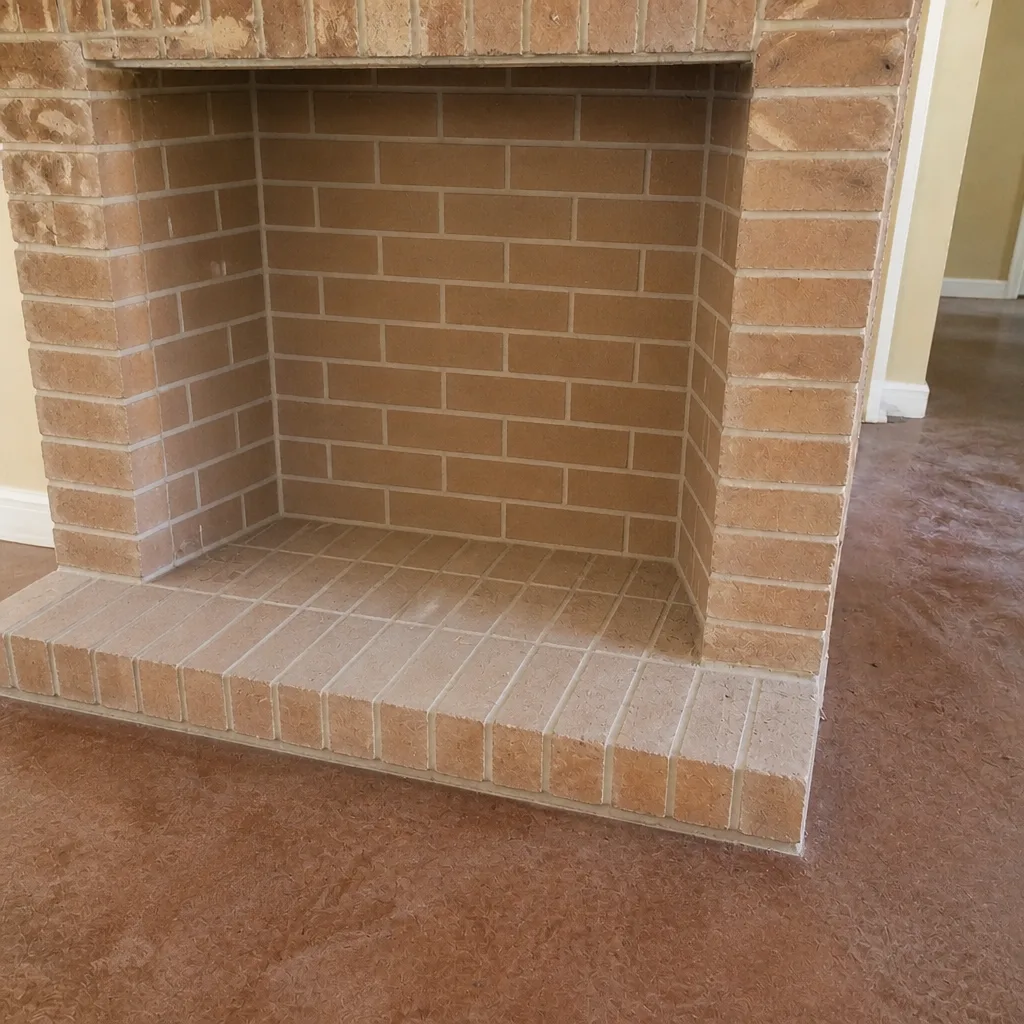
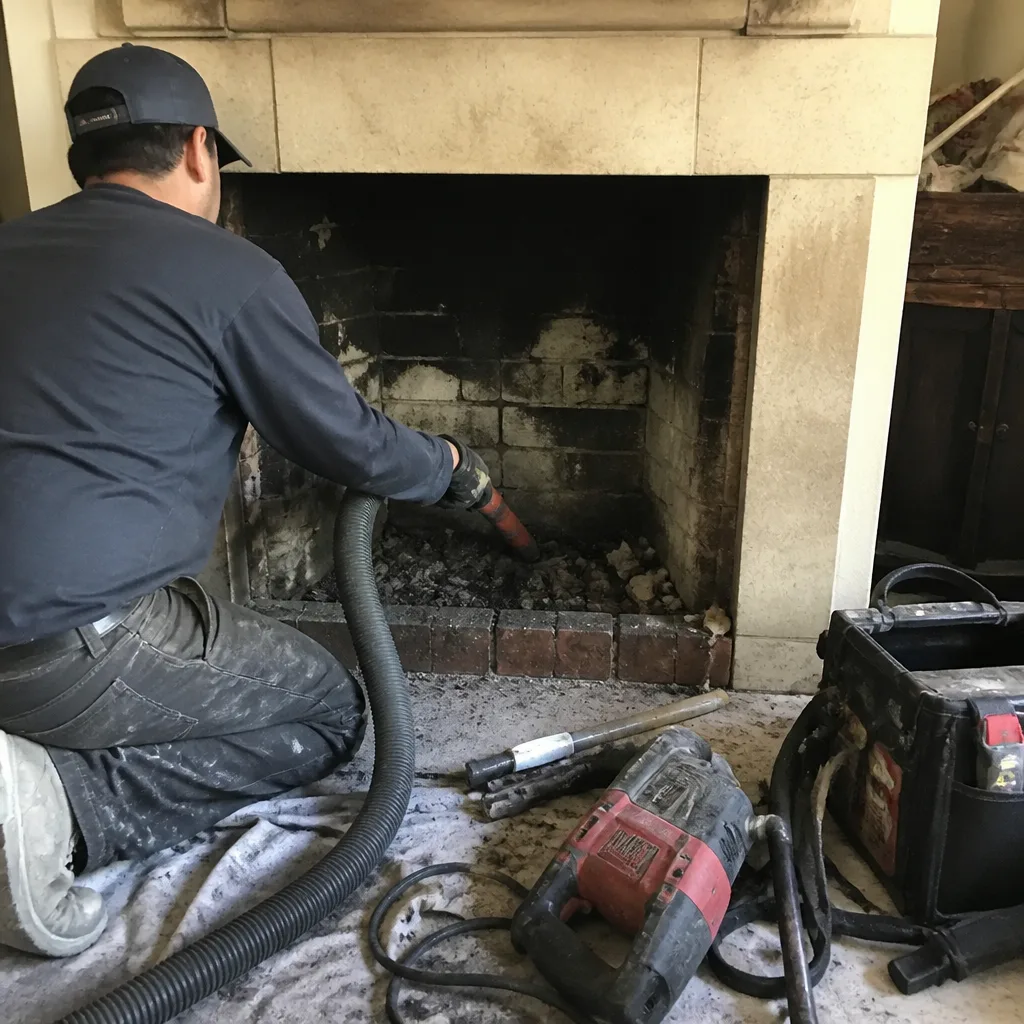
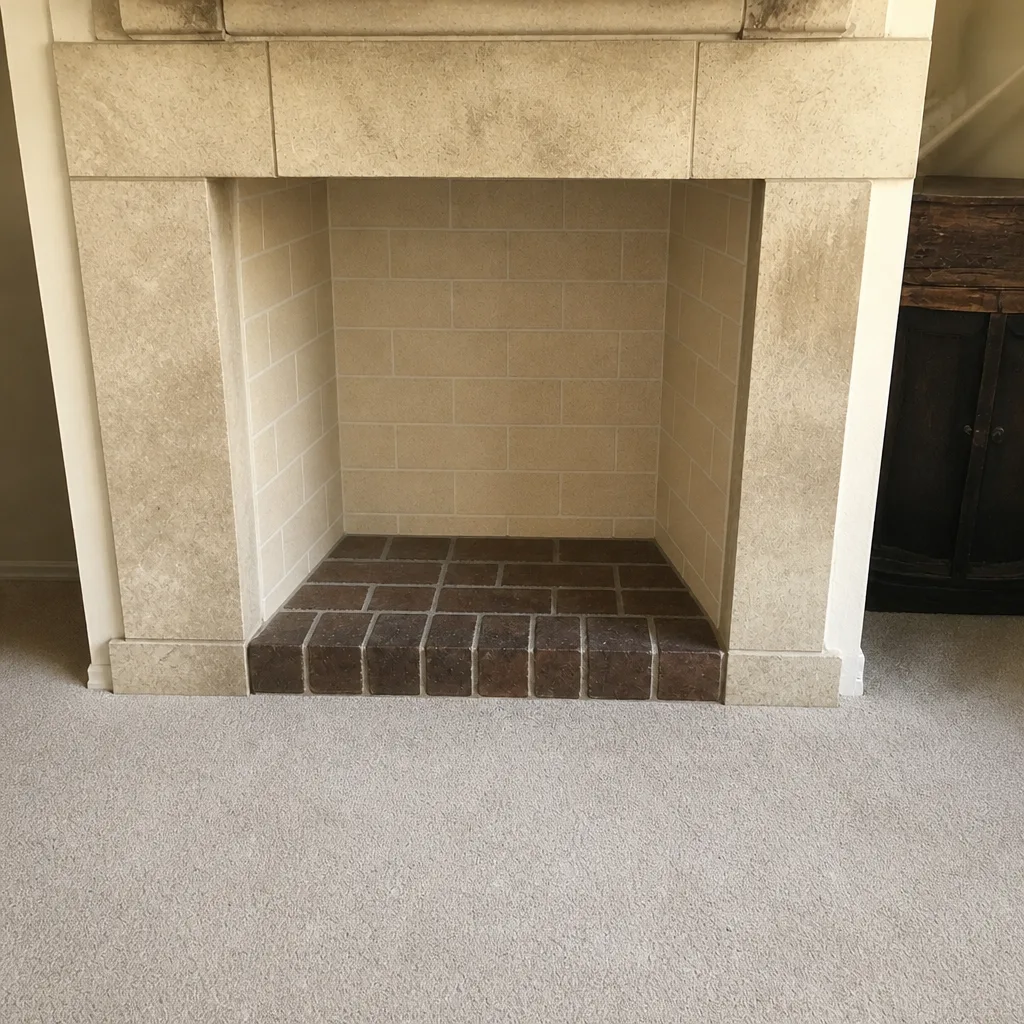
See the difference
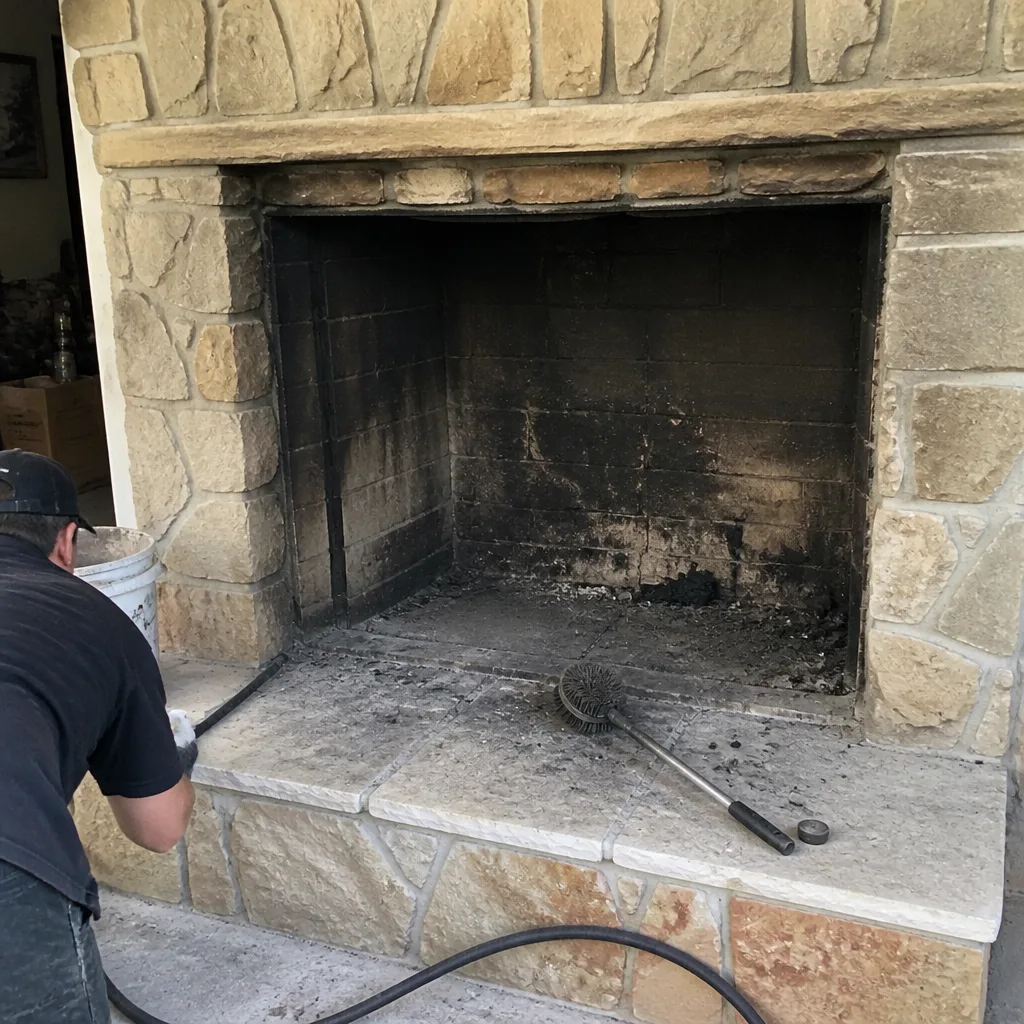 Before
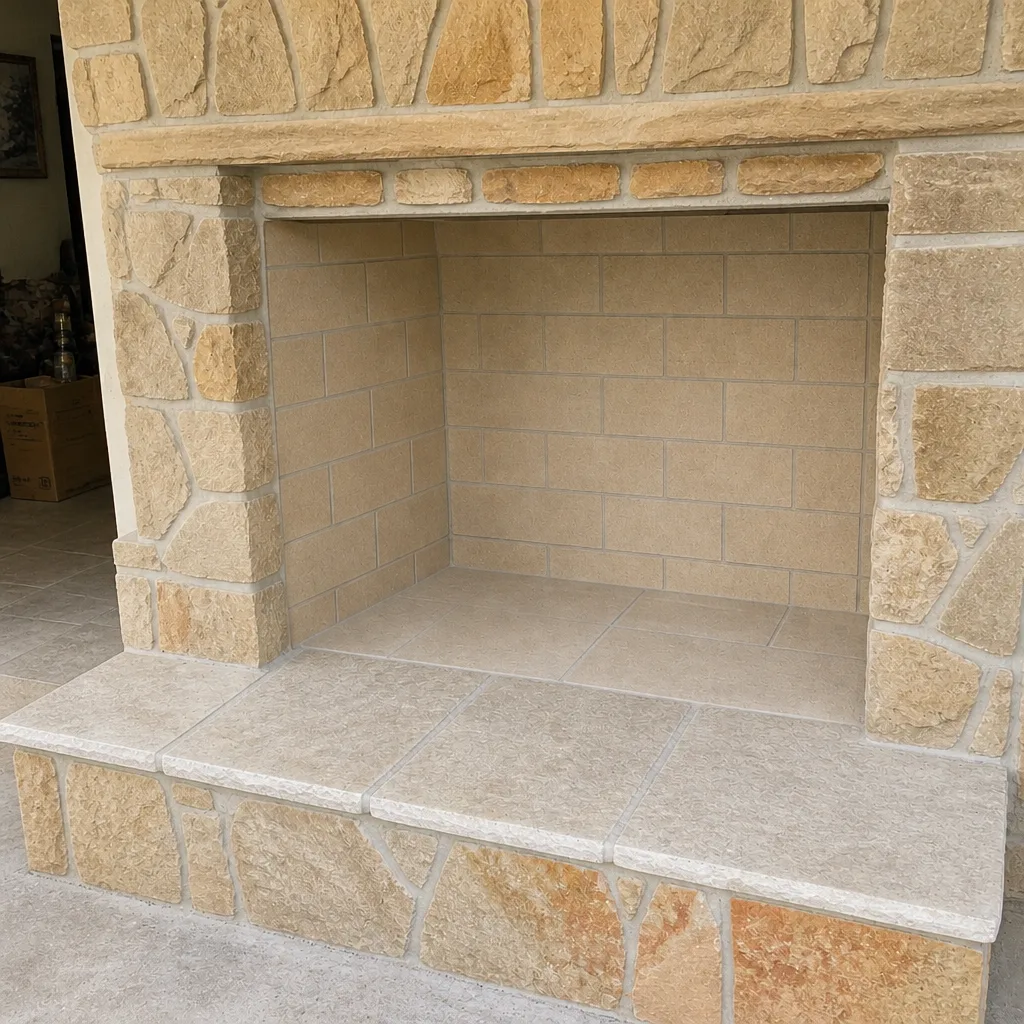 After
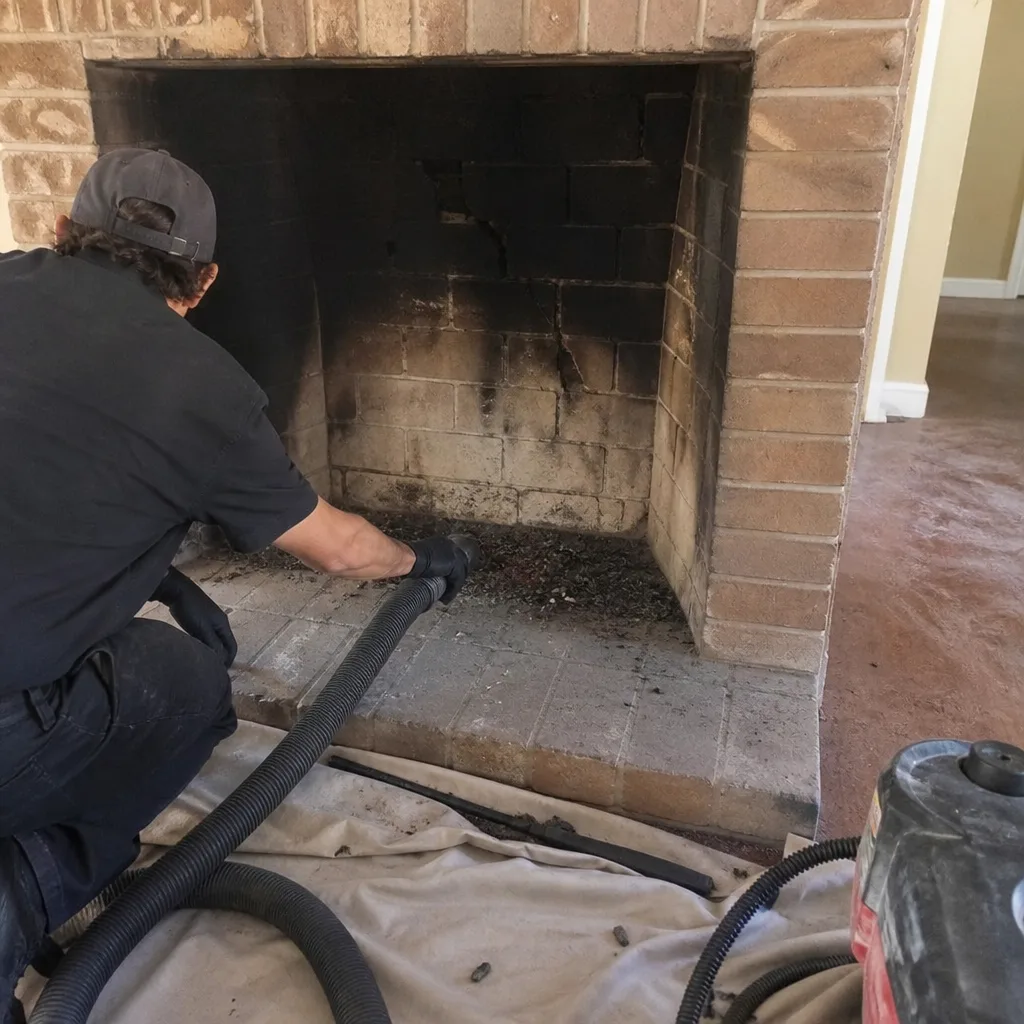 Before
 After
 Before
 After
When to Call a Professional
Some chimney work is reasonable to defer. A dry, clear flue from a lightly used fireplace may not need attention this month. But there are real situations where a trained professional should be the only person on your roof. If your firebox is showing cracks, if your chimney cap is loose or missing after a windstorm, if you’ve had a chimney fire (even a small one you put out yourself), if your flue has visible creosote glaze, if your smoke draws back into the room, or if you’ve never had the chimney inspected since you moved in – those are the moments to call in someone trained and documented.
One thing we’ll say plainly, because it’s the honest thing to say: not every finding needs to be addressed today. Some repairs can safely wait a season while you save for them. The right contractor tells you which findings are urgent and which aren’t, and gives you the report that lets you make that call yourself.
Chimney Sweep Encino offers free estimates in Encino – call (833) 925-1856. We answer 24/7. Fast dispatch from 7am to 7pm. Our technicians have up to 9 years of experience.
You can also start at the Chimney Sweep Encino home page to see the full range of services and book a chimney inspection first if the condition of your flue is unknown.
Frequently Asked Questions
The price is set per job by a written estimate after we’ve seen the chimney, so the honest answer is that the estimate is where the number lives. What we can tell you: the estimate itself is free, and any quote for chimney work should state whether it includes an inspection, which materials will be used, and what labor is included. If a quote is a single lump sum with no line items, ask for a written, itemized version before you book. Call (833) 925-1856 for an exact quote – estimates are free.
Not always – a liner is recommended only when the current one is damaged, missing, cracked or lined with a material that no longer meets code for the appliance it serves. A camera inspection tells you which. What we won’t do is recommend a liner without a photo or video you can see for yourself. If the inspection shows a sound liner, the answer is no. If it shows cracks or gaps at the joints, a DuraFlex stainless-steel flexible liner is the code-compliant repair, and it’s usually less expensive than a full rebuild. Call (833) 925-1856 for an exact quote – estimates are free.
Most guidance says a chimney should be swept when the creosote buildup reaches a measurable level – often stated as about a quarter inch – or once a year if the fireplace is in regular use. In Encino’s mild winters that typically means a fall sweep before the burning season, with an inspection to check the flue condition at the same time. Fireplaces in heavy use may need more frequent sweeping. Call (833) 925-1856 for an exact quote – estimates are free.
Creosote accumulates in the flue, and the deposits that build up over time can ignite. A chimney fire can damage the liner, and in the worst cases spread beyond the chimney. Separately, a blocked or damaged flue can allow carbon monoxide from combustion to enter the living space rather than vent outside. Both are reasons the trade exists – not scare tactics, but the mechanics of how a chimney fails. It’s also why the camera inspection matters: you can’t see the inside of a flue without one. Call (833) 925-1856 for an exact quote – estimates are free.
Yes. The CSIA maintains a public database you can search by name or business name. Ask the contractor for their certification, then search the database to confirm it’s current. Product-specific certifications (like HeatShield ceramic resurfacing) are separate and should be verified with the manufacturer. Ten minutes of checking is the single best defense in a trade with no state license requirement. Call (833) 925-1856 for an exact quote – estimates are free.
A sweep who also performs repairs in-house has the tools to diagnose the full system and to resolve what the inspection finds without a referral. Cleaning-only contractors have no way to confirm what the flue looks like inside, and no way to act on findings beyond a referral. It’s not a matter of convenience – it’s a matter of whether the report you get back can be acted on by the same team that produced it. Call (833) 925-1856 for an exact quote – estimates are free.
The Bottom Line
Hiring a chimney contractor in Encino comes down to verification, not charm. There’s no state license requirement for the trade, which means the burden of checking credentials sits with you – so verify CSIA certification on the public database, confirm the sweep also does repairs, and ask what inspection level is included before anyone books a visit. Ask for the written report and the itemized estimate, and read both. Materials should have a name – DuraFlex, HeatShield, Gelco, Olympia Chimney – because branded materials give you a way to check what was installed. The right contractor tells you what they find, including when a repair can wait. Call (833) 925-1856 for a free estimate. We answer 24/7. Fast dispatch from 7am to 7pm.
Written by the team at Chimney Sweep Encino.