
Last updated November 22, 2026
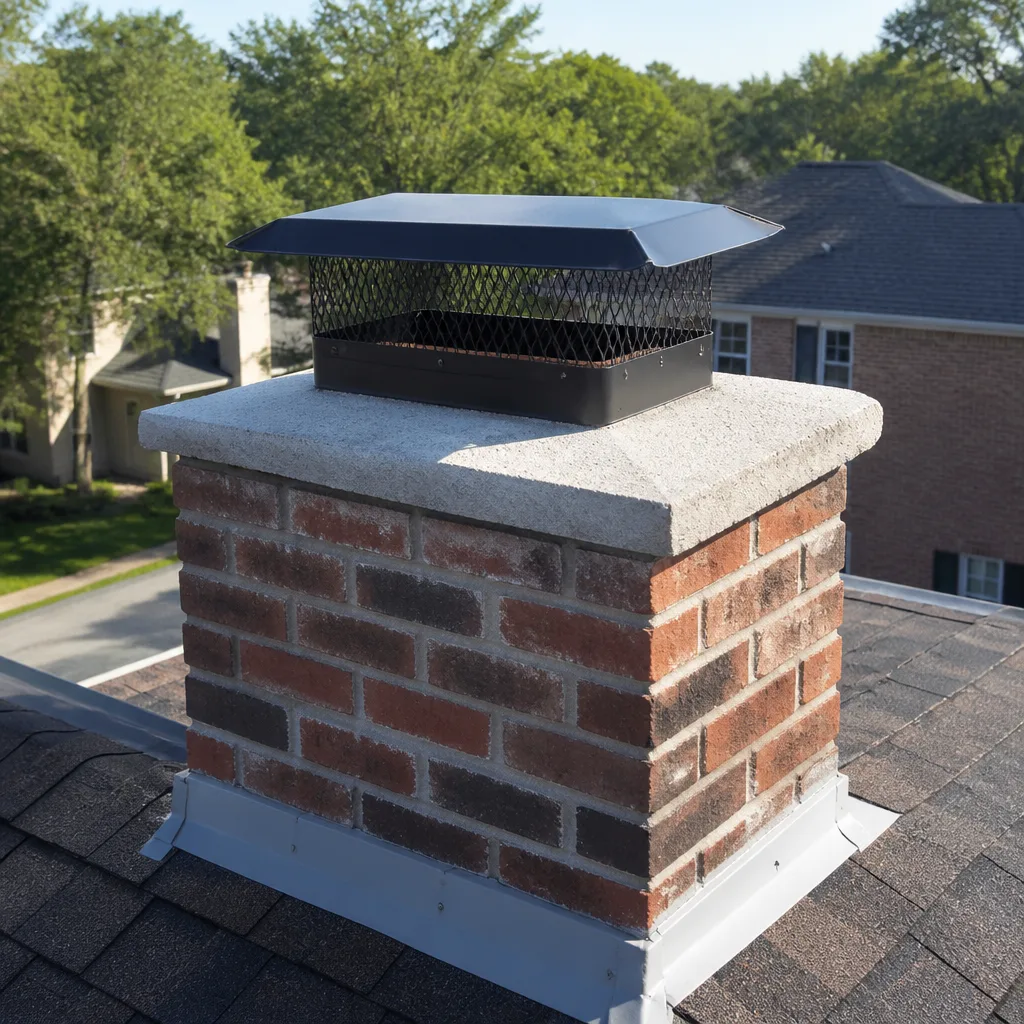 Sweep & inspection
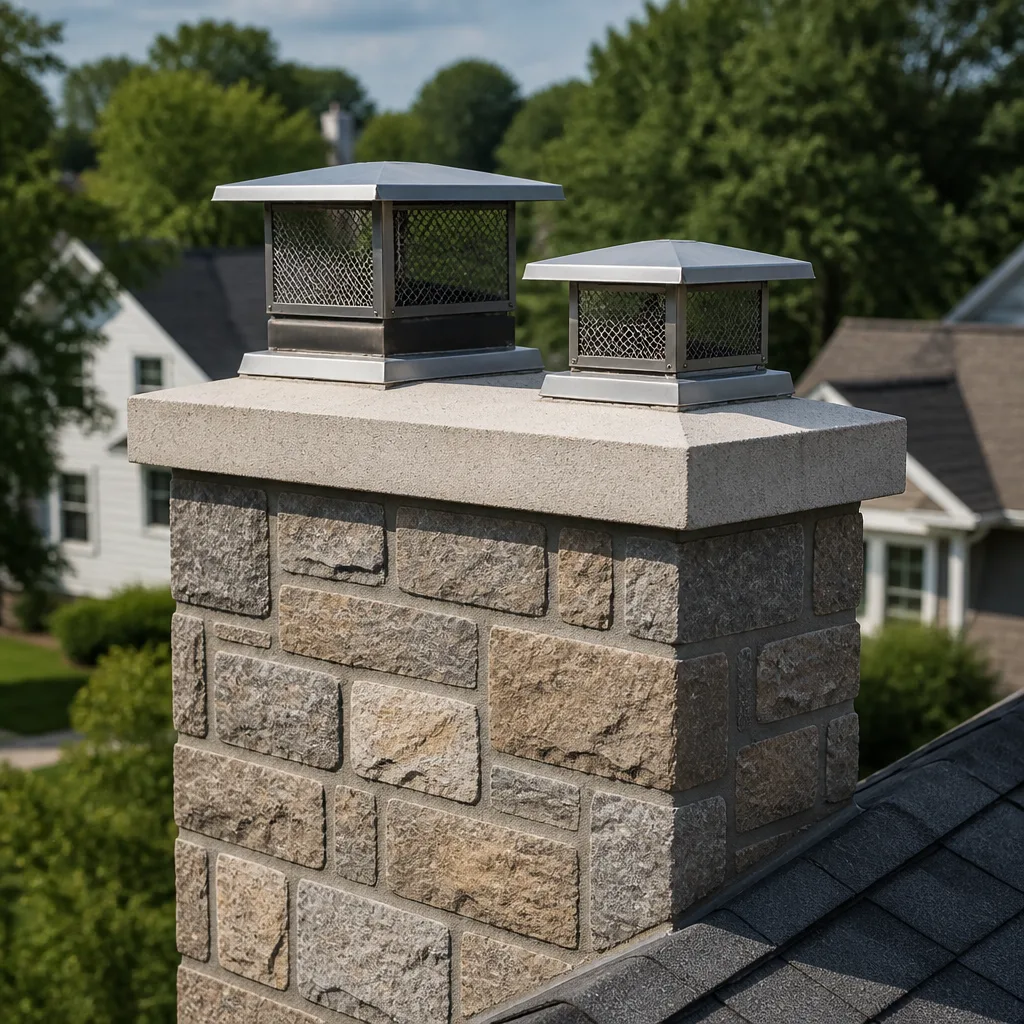 Caps & crowns
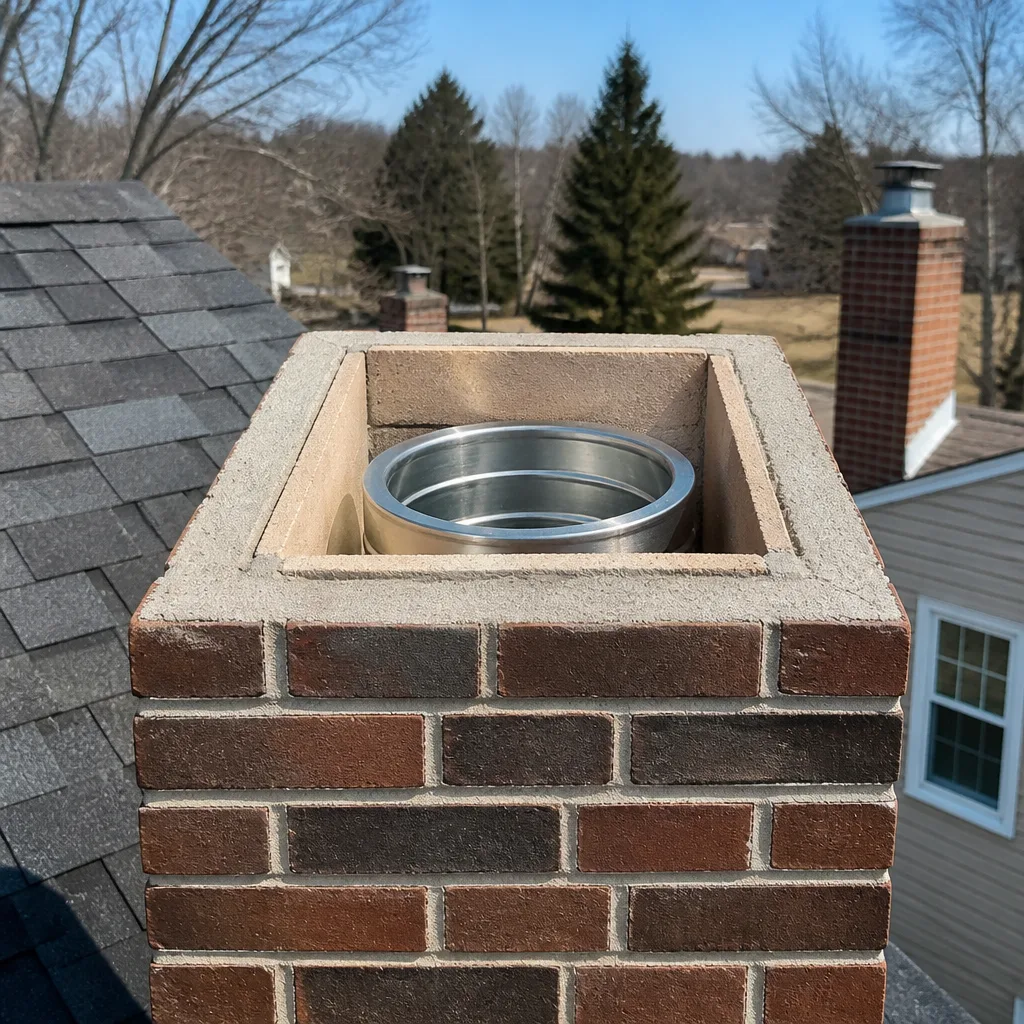 Flue relining
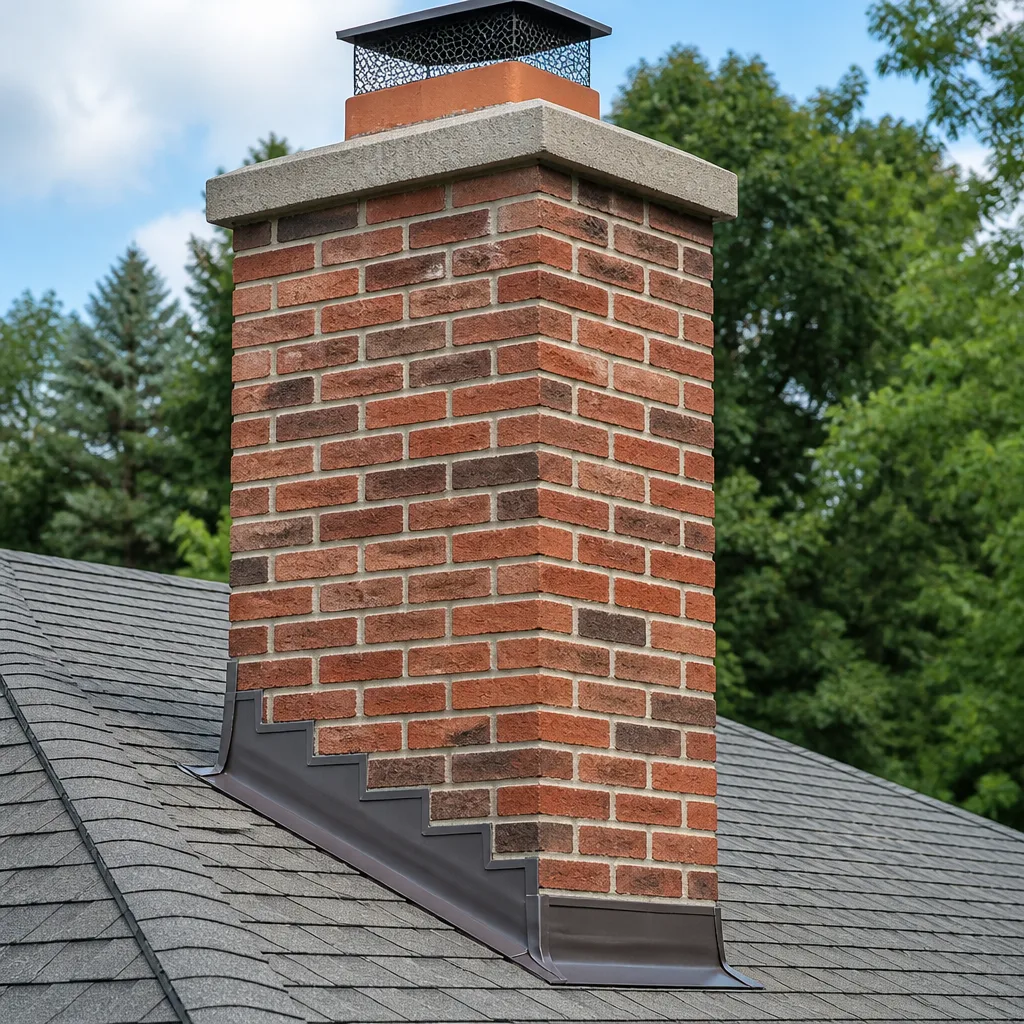 Masonry repair
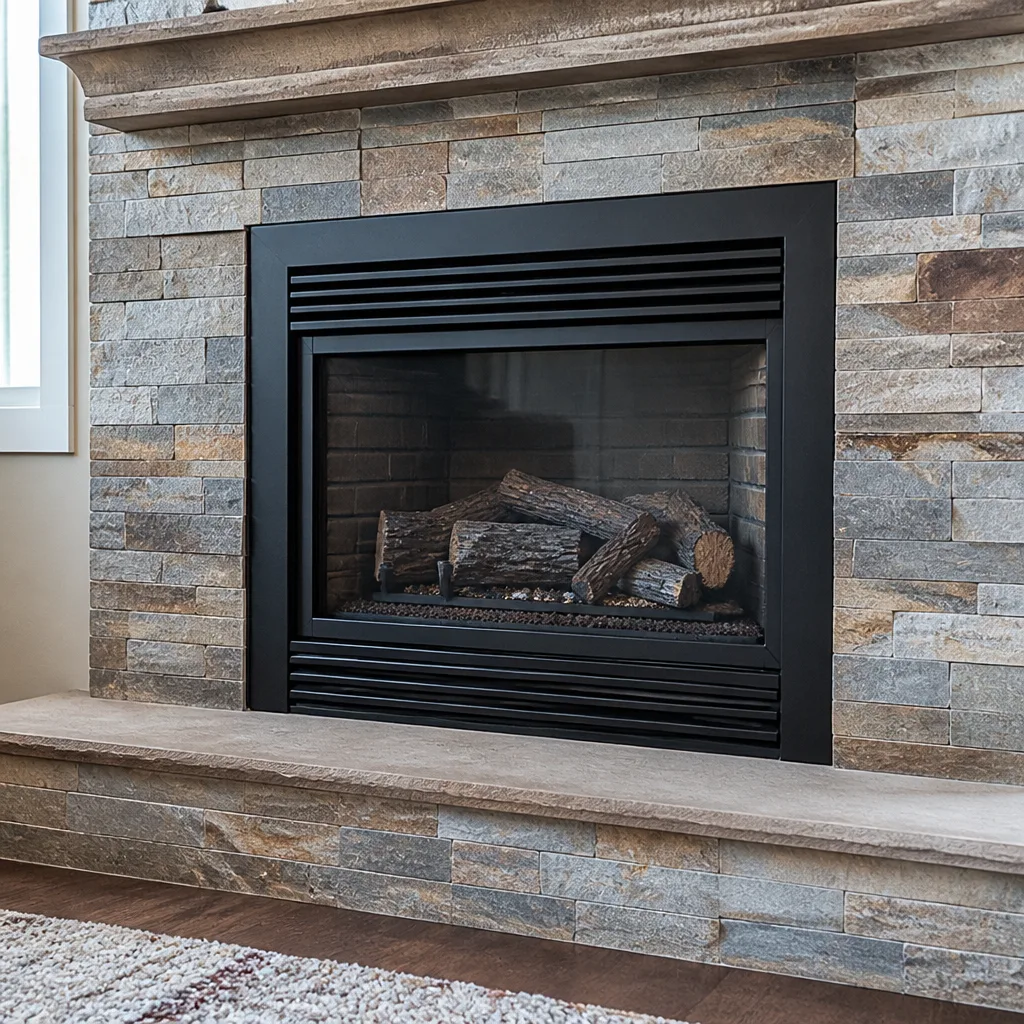 Gas fireplace service
Level 1 sweep and inspection to the NFPA 211 annual standard - flue, crown, cap, and flashing checked and photographed
Chimney sweep logs do not sweep chimneys. They loosen some creosote - which then falls where a brush and vacuum still have to collect it.
Chimney Cleaning Permits, Codes & Inspections in Encino, CA: What You Need to Know
A chimney company that tells you a full relining job needs no permits at all in Los Angeles County is either wrong or counting on you not to check. That matters, because the paperwork trail behind chimney work becomes your liability the day you sell the house. Cleaning and inspection sit on one side of the permit line. Repairs, relining and structural changes often sit on the other. The gray zone between them is exactly where corners get cut. This guide walks through what’s exempt, what triggers a building permit, how NFPA 211 standards interact with local code, what a Level 2 inspection actually is, which records to keep, and how South Coast AQMD wood-burning rules affect how you use and maintain a chimney in Encino.
Quick Answer
Routine chimney cleaning and inspection in Encino generally do not require a building permit, but repair work, relining and structural modifications often do under the California Residential Code, and any work affecting the venting system needs to meet NFPA 211 standards. A Level 2 inspection is required at real estate transactions and after any chimney fire or significant event. Keep every inspection report, permit record and material specification – they become disclosure documents when you sell.
Styles & brands we work with
- Sweep & inspection
- Caps & crowns
- Flue relining
- Masonry repair
- Gas fireplace service
Table of Contents
- Which chimney services need a permit in LA County and which don’t
- How NFPA 211 interacts with LA County building code
- What a Level 2 inspection is and when it’s legally required
- The documentation to keep after any chimney work
- South Coast AQMD rules and what they mean for Encino homeowners
- How to vet a chimney contractor on code compliance
- A realistic maintenance timeline for an Encino chimney
Which Chimney Services Need a Permit in LA County and Which Don’t
The cleanest way to think about chimney permits is to separate maintenance from construction. Maintenance keeps the existing system working. Construction changes it. Permits attach to construction.
Usually permit-exempt:
- Routine sweeping of the flue and firebox
- Visual inspection (Level 1) and camera-assisted inspection (Level 2)
- Replacing a chimney cap of the same type and size
- Minor mortar touch-up on the crown that doesn’t change its profile or structure
- Cleaning and basic firebox maintenance
Often requires a building permit:
- Installing a new stainless-steel liner or relining an existing flue
- Replacing or rebuilding a chimney above the roofline
- Structural repair to the chimney chase, crown rebuild, or masonry reconstruction
- Changing the appliance served by the flue (for example, switching from a wood-burning fireplace insert to a different fuel type)
- Any work that changes the venting pathway or penetrates the roof structure
The dividing line is deceptively narrow. A flexible stainless liner install, such as a DuraFlex system, can look like a “repair” on an invoice but it’s a new venting system and usually falls under permit review. That’s not a technicality to resent. A permitted liner install comes with inspection by the local building department, which is a second set of eyes on the work. When homeowners ask us whether a job needs a permit, we tell them plainly: if it changes the chimney, assume yes until your city’s building department says otherwise. The permit is cheap compared to the disclosure headache at resale.
Encino homes sit within the City of Los Angeles, so the Department of Building and Safety is the authority having jurisdiction. Confirm requirements with them before work starts, not after. A chimney sweep visit doesn’t require it. A reline does. Knowing which is which protects you.
How NFPA 211 Interacts With LA County Building Code
NFPA 211 is the national standard for chimneys, fireplaces, vents and solid fuel-burning appliances. The California Residential Code adopts much of the same intent but adds state-specific requirements, and local jurisdictions like Los Angeles County layer their own amendments on top. Where the two overlap, the stricter requirement typically governs.
The practical effect for an Encino homeowner is this: a contractor who says the work “meets code” should be able to tell you which code. NFPA 211 addresses clearances to combustibles, flue sizing relative to the appliance, liner condition, cap requirements, and inspection protocols. The California Residential Code translates most of that into enforceable building code, and the Department of Building and Safety enforces it.
Three points where the standards interact in ways homeowners miss:
- Clearance to combustibles. NFPA 211 sets minimum clearances between the chimney exterior and wood framing. Local code enforces those clearances during permitted work. An unpermitted repair can quietly violate them, and a home inspector may flag it at sale.
- Liner sizing. A flue sized for a masonry fireplace is often the wrong size for a modern insert or a gas appliance. NFPA 211 requires the flue to match the appliance. Changing the appliance without resizing the flue is a code problem even though no permit was pulled for the appliance swap.
- Inspection levels. NFPA 211 defines the three inspection levels that most contractors reference. Local code doesn’t invent its own definitions; it leans on the standard.
This is where the product names matter. HeatShield ceramic resurfacing is a recognized method for restoring a damaged liner to compliance without a full rebuild, and a HeatShield job should come with documentation showing it was applied to the manufacturer’s specification. When we install a DuraFlex flexible liner, you get the manufacturer’s listing and installation instructions in the file. That paper trail is what answers the code question later.
What a Level 2 Inspection Is and When It’s Legally Required
NFPA 211 defines three inspection levels, and the difference between them isn’t cosmetic.
- Level 1: A visual inspection of readily accessible portions of the chimney and connected appliance during routine service. Appropriate when the appliance hasn’t changed and there’s no known problem.
- Level 2: A more thorough inspection that includes accessible attics, crawl spaces and accessible areas of the chimney exterior, plus video scanning of the flue interior. Required after a chimney fire, after any event that may have damaged the chimney, after a change in appliance or fuel type, and at real estate transactions when a property changes hands.
- Level 3: Reserved for situations where a hidden hazard is suspected and requires access to concealed areas, which may mean removing parts of the chimney or building assembly.
The Level 2 is the one that most often gets skipped. It’s required when a house is sold, and a real estate transaction is exactly when a buyer’s inspector will look for evidence that the chimney was examined. A Level 1 certificate won’t satisfy that requirement. A proper Level 2 comes with a camera scan of the flue and a written report documenting the interior condition – a record you can hand to a buyer.
The other trigger is any event. A chimney fire, a sudden draft problem, a masonry shift after a seismic event – these call for a Level 2, not a sweep. In Encino, where older homes with masonry fireplaces sit alongside newer construction, we see plenty of chimneys where the flue interior has never been scanned. A sweep cleans what a brush can reach. A Level 2 shows you what it can’t.
We treat Chimney Sweep Encino inspection as a diagnostic service of its own, separate from cleaning. You get the report whether or not any repair is needed, and you decide what happens next.
The Documentation to Keep After Any Chimney Work
Chimney records are resale records. When you sell an Encino home, the buyer’s inspector, the buyer’s lender and the buyer’s attorney all want the same thing: proof the chimney was worked on correctly. Keep the following after every job, even the small ones.
- Invoice with dates and scope. The date matters if a buyer’s inspector asks when the chimney was last serviced. The scope matters because “cleaning” and “relining” are different disclosures.
- Inspection report. A Level 2 report with the camera scan images. Keep the images, not just the summary.
- Permit number and final inspection card. If a permit was pulled, keep the permit number and the signed-off inspection. This is the single most valuable document in the file.
- Material specifications. The brand and model of any liner, cap, crown material or resurfacing product. A DuraFlex liner spec sheet, a HeatShield resurfacing record, an Olympia Chimney component listing – these tell a future buyer or inspector exactly what was installed.
- Manufacturer warranties. If a product carries a warranty, keep the paperwork. It often transfers with the home.
- Photos of the work in progress. Before and after photos of the firebox, crown and cap. Buyers can’t see inside a flue, so photos are the only evidence.
The homeowners who get tripped up at sale are the ones who had work done without paperwork. An unpermitted reline is still a reline, and a buyer’s inspector can usually spot one. The absence of a permit doesn’t make the problem go away – it makes it appear in the seller’s disclosure instead.
South Coast AQMD Rules and What They Mean for Encino Chimneys
Encino sits in the South Coast Air Quality Management District, which regulates wood burning across the Los Angeles basin. The district issues mandatory no-burn days when air quality is forecast to be poor, typically on still winter days when smoke doesn’t disperse. On a no-burn day, wood burning in a fireplace or wood stove is prohibited. Gas logs and other non-wood appliances are generally exempt.
The AQMD angle to chimney maintenance is less about the rules and more about what the rules encourage. When wood-burning days are limited, homeowners tend to burn more intensively on the days they can – a fire that runs hot and long, with more creosote building in the flue. That’s the opposite of what the rule is meant to accomplish, and it’s a real maintenance consideration. A chimney that used to get light weekend use now gets heavy concentrated use on permitted days. The creosote load rises accordingly.
Two practical consequences for an Encino homeowner:
- If you burn on permitted days, check the AQMD forecast before you light. It’s a quick check and it keeps you out of a citation.
- If your burning is concentrated into fewer days, your sweep interval should tighten, not loosen. We see chimneys in Encino that look light-use from the outside but are heavily loaded because the fire ran hard when it did run.
A chimney sweep before burning season gives you a clean flue and a baseline. If the inspection turns up glazed creosote – the hard, shiny, flammable kind – you’ll want to know before the first fire, not after.
How to Vet a Chimney Contractor on Code Compliance
Ask three questions and listen carefully to the answers. A contractor who knows the code will answer them without hesitation. A contractor who doesn’t will hedge.
- “Will this job need a permit?” The right answer is specific: sweeping and inspection, no; relining and structural repair, probably yes, and we’ll confirm with the Department of Building and Safety. If the answer is “we never pull permits,” that’s your answer about the contractor.
- “What exactly are you installing, and who makes it?” A professional will name the product – DuraFlex, Olympia Chimney, Gelco, Famco – and can show you the manufacturer’s listing. A vague answer about “stainless liner” with no brand attached is a red flag. We name the materials we use because you’re entitled to know what’s going into your chimney.
- “Will you show me the inspection findings?” Camera images, plain language, and a written report. If the contractor wants to skip the inspection and go straight to a repair quote, walk away.
The fourth question, which homeowners rarely ask but should: “Who does the repair?” If the company inspecting is not the company repairing, the findings get handed off and the accountability gets thinner. Our approach is crown to firebox in one place – the same operation that finds the problem fixes it. If we recommend a fireplace repair, the crew that diagnoses it is the crew that performs it.
One more thing. Licensing and insurance for chimney work are regulated by the state, and the paperwork should match the company name on the invoice. Ask to see it. A professional won’t be offended.
A Realistic Maintenance Timeline for an Encino Chimney
There’s no single correct interval because the interval depends on use, fuel and flue condition. What follows is a general schedule that works for most Encino homes. Adjust it based on what the inspection finds.
- Before burning season (typically late fall). Sweep if you burned the previous season, and inspect at Level 1. If you haven’t had a Level 2 in several years or the home has changed hands, do the Level 2 now.
- After any chimney fire or unusual event. Level 2 inspection before the next fire. Not optional.
- Every resale. Level 2 inspection as part of the transaction. Pull the file: past reports, permits, material specs.
- Annually. Visual check of the cap and crown from the ground or roofline. Encino’s dry summers and the seasonal wind patterns we get in the valley can open small cracks in a crown that grow with the first rain. Catching a hairline crown crack early is a mortar repair; catching it late is a crown rebuild.
- Every few years. Confirm the cap is intact and the spark arrestor mesh isn’t clogged. A clogged cap mesh restricts draft and pushes smoke back into the room.
The cap is the part homeowners forget. It’s also the part that keeps water, birds and debris out of a flue you just paid to clean. If the cap is damaged, a chimney cap & crown replacement is a small job that protects a much larger investment. We install Copperfield and Gelco components for exactly this reason – the cap has to fit the flue, and the material has to last.
For a maintenance visit, a pre-season sweep in Encino is the anchor appointment. Everything else follows from what that first inspection shows. Restore, don’t just sweep: if the flue needs resurfacing, HeatShield is a real option that avoids a full rebuild, and it’s worth asking about before anyone quotes you a tear-out.
Common Mistakes to Avoid
- Assuming “no permit needed” is always true. It’s true for sweeping and inspection and often false for relining and structural work. Ask before work starts, and confirm with the Department of Building and Safety.
- Skipping the Level 2 at resale. A Level 1 certificate doesn’t satisfy a real estate transaction requirement. A buyer’s inspector knows the difference, and the gap shows up in your disclosure.
- Throwing away the paperwork. The invoice, permit card, camera images and material specs are your resale file. Homeowners who keep them have a much easier time at closing.
- Letting the cap slide. A missing or damaged cap lets rain and animals into a clean flue. In Encino’s dry months a cap looks optional; it isn’t.
- Burning on a no-burn day. South Coast AQMD restricts wood burning on designated days. Check the forecast before you light a fire.
- Accepting an anonymous liner. If the quote says “stainless liner” with no brand and no spec sheet, you can’t verify what’s being installed or whether it meets code. Ask for the manufacturer’s listing.
- Taking a cleaning quote as a diagnosis. A sweep cleans the flue. It doesn’t tell you whether the liner is sound. That’s what the inspection is for, and it should happen before any repair conversation.
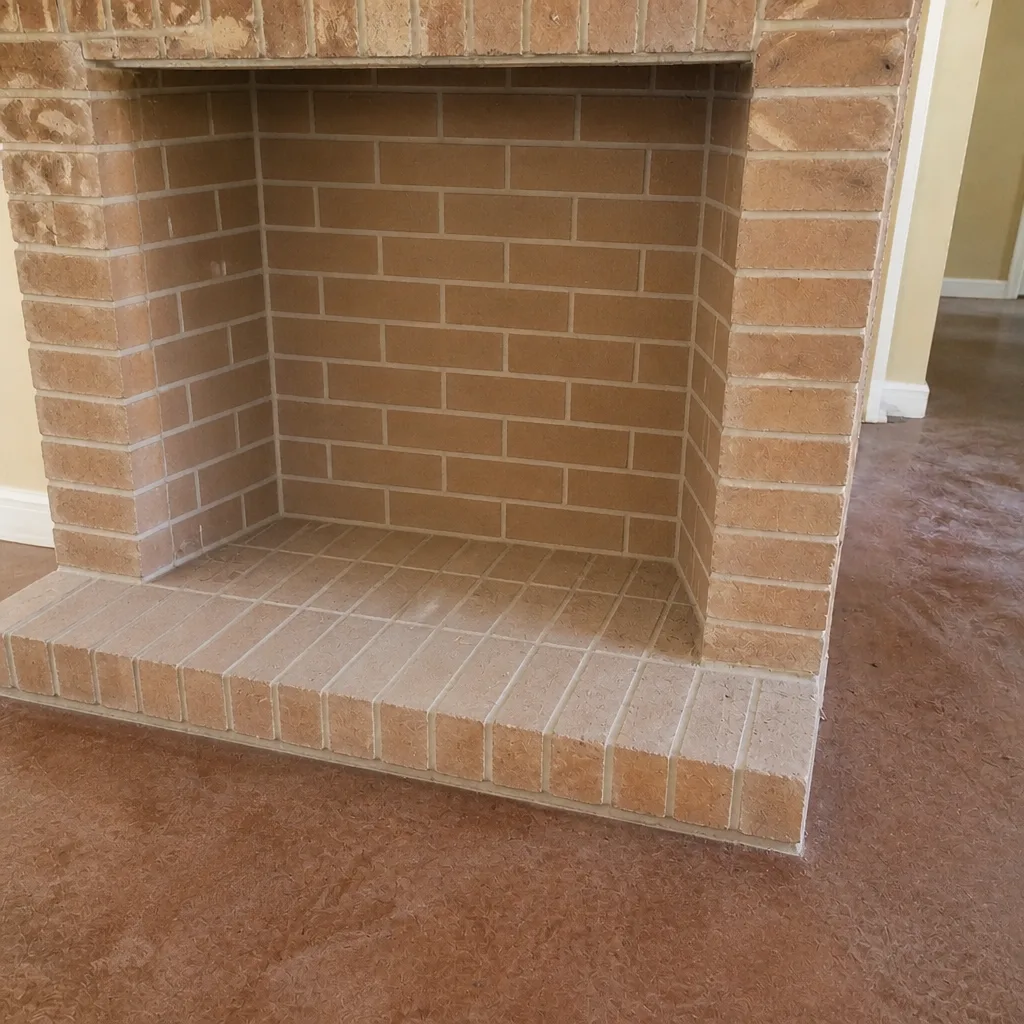
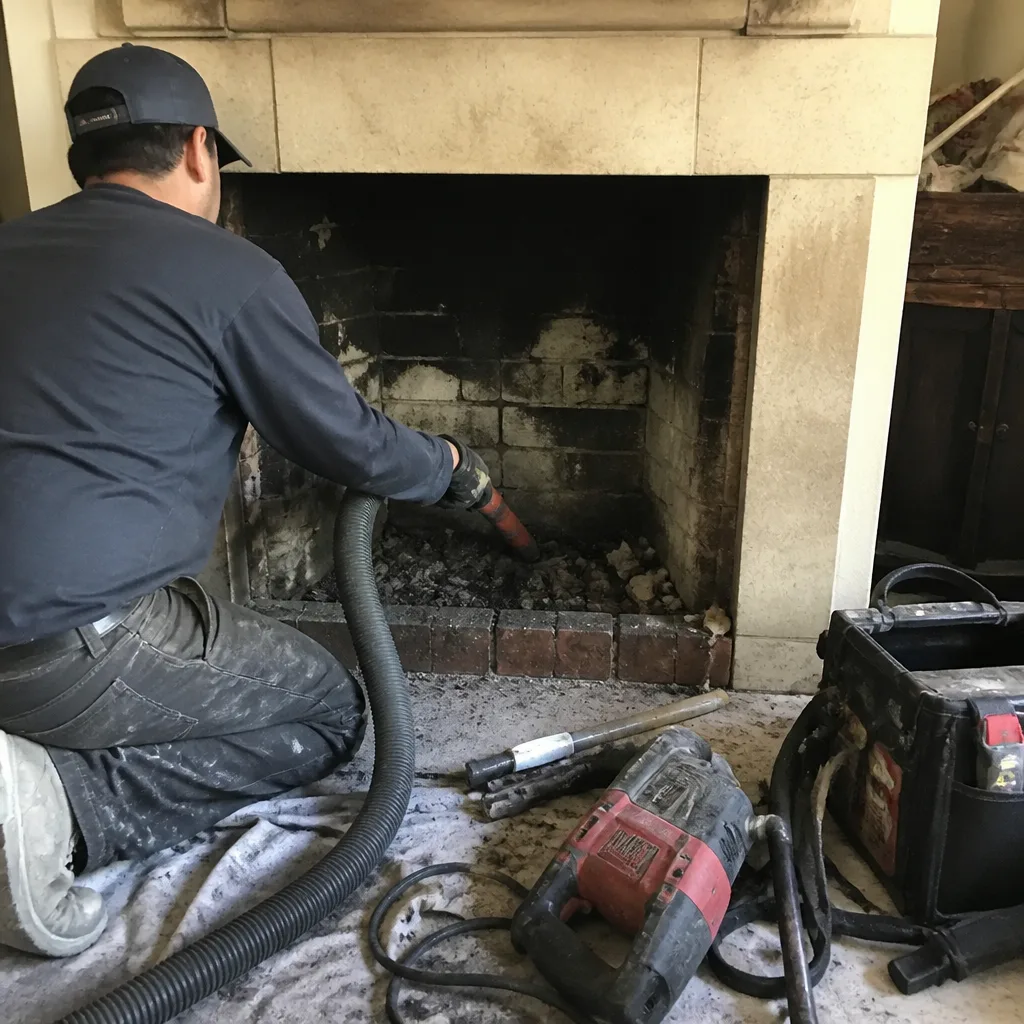
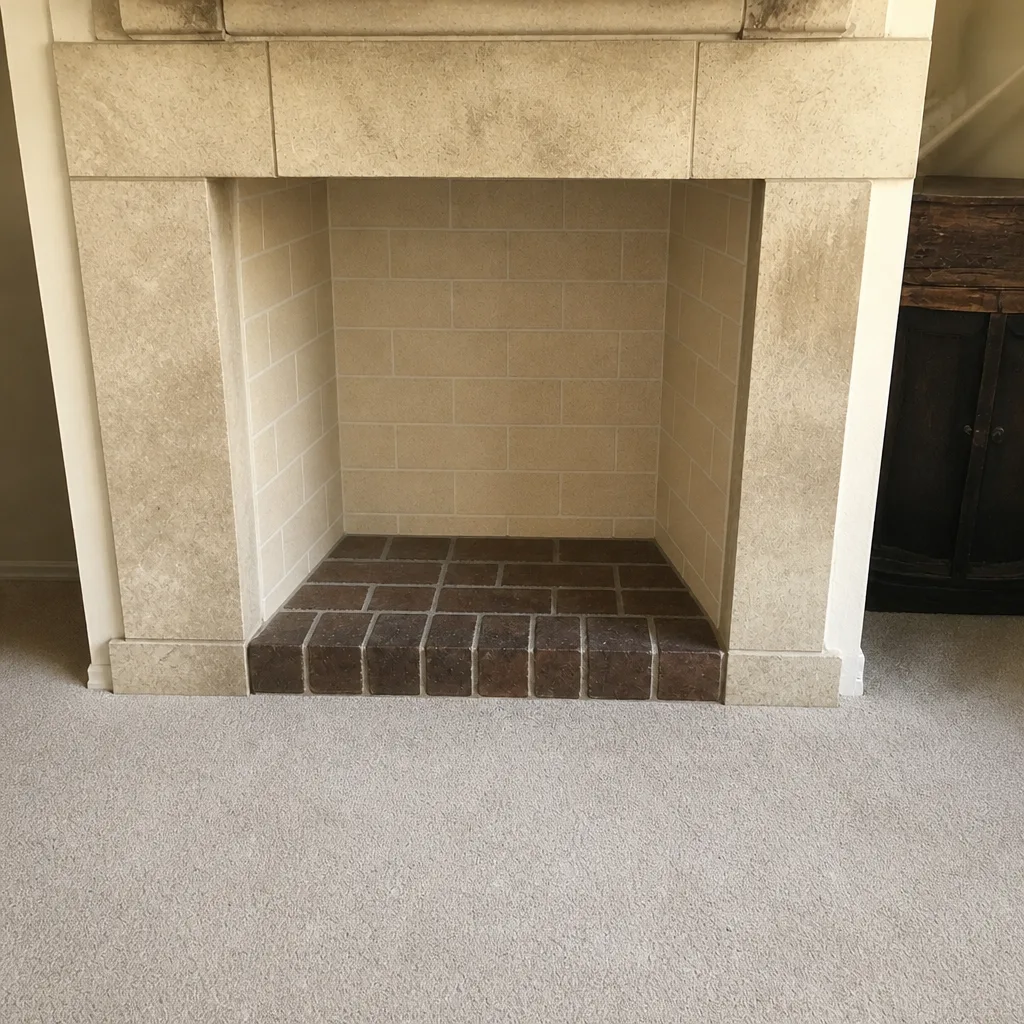
See the difference
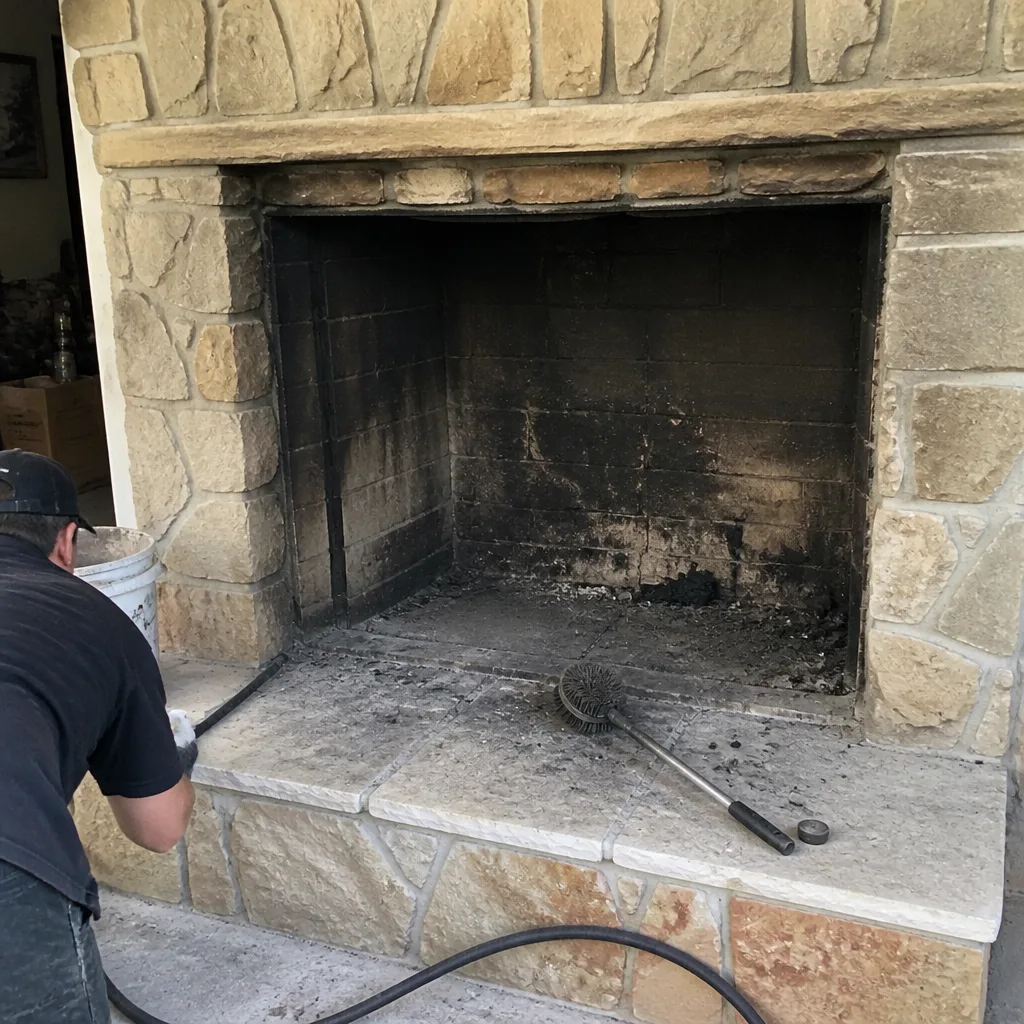 Before
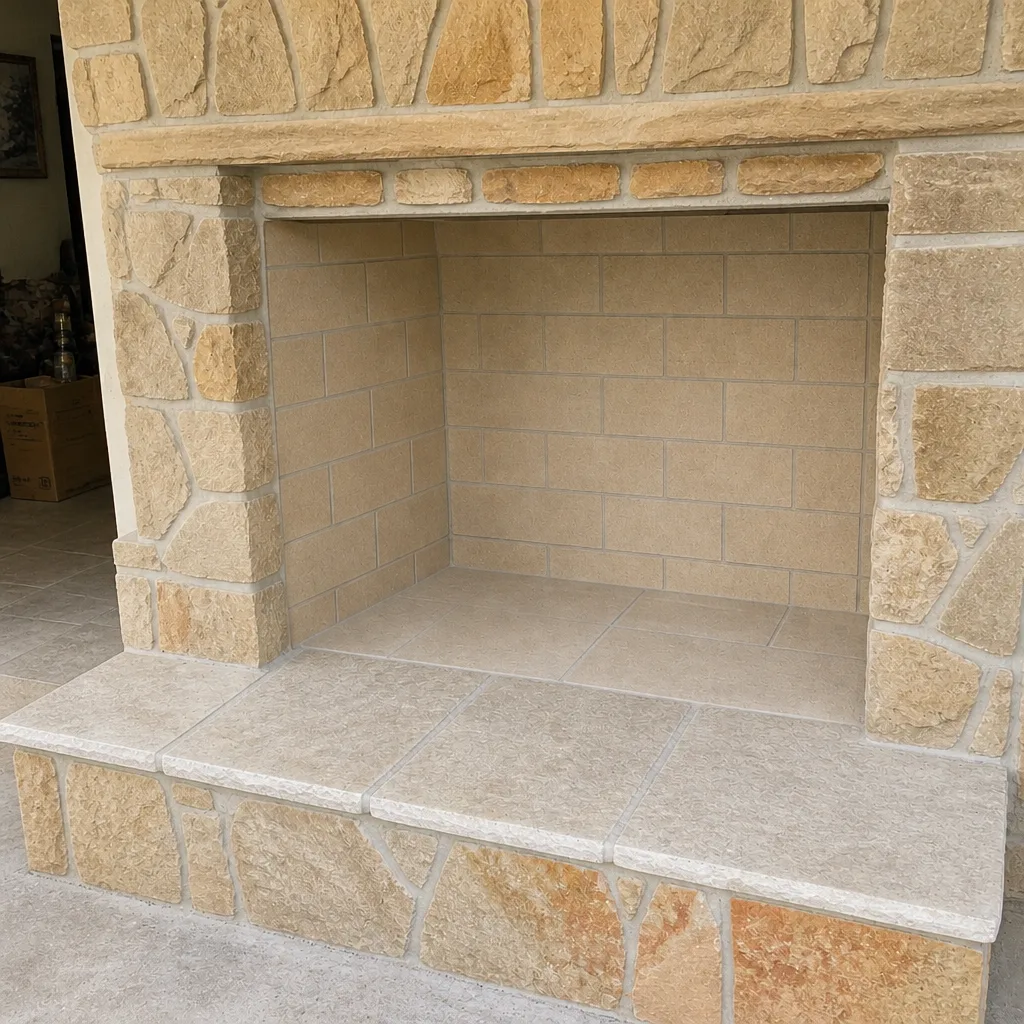 After
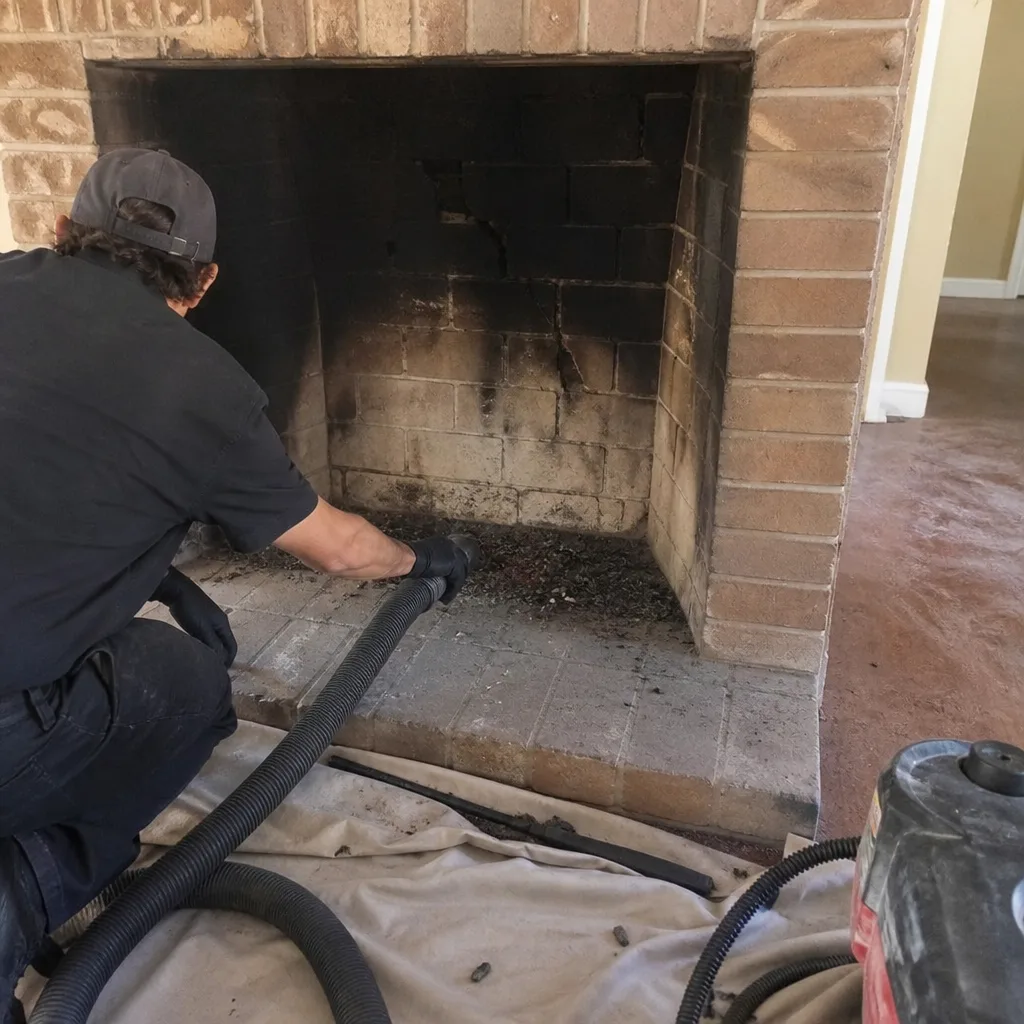 Before
 After
 Before
 After
When to Call a Professional
Call a professional before the first fire of the season if you haven’t had the flue inspected in a few years, and call immediately if you’ve had a chimney fire, noticed a draft problem, seen cracked or loose masonry on the chimney exterior, or found water staining inside the firebox. Call before a home sale if you don’t have a current Level 2 report on file. Call if you’re switching from wood to gas or installing an insert, because the flue sizing question is a code question. And call if a previous contractor left you without paperwork, because a proper inspection can rebuild the record. Chimney Sweep Encino offers free estimates in Encino. Call (833) 925-1856. We answer 24/7. Fast dispatch from 7am to 7pm, Sunday through Friday. Our technicians have up to 9 years of experience.
Frequently Asked Questions
No. Routine chimney cleaning and inspection don’t require a building permit in Encino. Permits attach to construction, so relining, structural repair, changing the appliance or rebuilding the crown may need one. Confirm with the City of Los Angeles Department of Building and Safety before the work is scheduled. Call (833) 925-1856 for an exact quote – estimates are free.
Usually yes. Installing a new stainless-steel liner or relining a flue changes the venting system, which generally triggers a building permit under the California Residential Code and requires inspection by the Department of Building and Safety. Ask the contractor to confirm in writing before work begins. Call (833) 925-1856 for an exact quote – estimates are free.
A sweep cleans the flue; a Level 2 inspection diagnoses it with a camera scan of the interior plus accessible attic, crawl space and exterior areas. The Level 2 is required at real estate transactions and after any chimney fire. A cleaning visit alone doesn’t satisfy that requirement. Call (833) 925-1856 for an exact quote – estimates are free.
Sweep before each burning season if you use the fireplace regularly, and inspect at the same time. If your burning is concentrated into fewer AQMD-permitted days, tighten the interval rather than stretch it, since concentrated burning builds creosote faster. Call (833) 925-1856 for an exact quote – estimates are free.
You get a clean flue and no information about the liner, crown or clearances. A hairline crown crack or a deteriorating liner can go unnoticed through a season of use, and the first sign is often a draft problem or smoke in the room. The inspection is how you find out before that. Call (833) 925-1856 for an exact quote – estimates are free.
Yes. South Coast AQMD issues mandatory no-burn days across the Los Angeles basin when air quality is forecast to be poor. Check the district’s forecast before lighting a fire. Gas logs are generally exempt. Call (833) 925-1856 for an exact quote – estimates are free.
The Bottom Line
Chimney code in Encino comes down to one distinction: maintenance versus construction. Cleaning and inspection don’t need a permit. Relining, structural repair, crown rebuilds and appliance changes usually do, and the paper trail from permitted work is what protects you at resale. NFPA 211 sets the technical standard, the California Residential Code makes it enforceable, and the City of Los Angeles Department of Building and Safety is the authority that signs off. Keep the report, keep the permit card, keep the spec sheet for whatever liner or cap went in. A Level 2 inspection at resale and after any event is not optional. And on the burning side, South Coast AQMD rules mean concentrated use on permitted days, which raises the creosote load and shortens your sweep interval. Know which side of the permit line your job sits on before anyone starts work.
Contact
Call (833) 925-1856 for a free estimate. We answer 24/7. Fast dispatch from 7am to 7pm, Sunday through Friday. We handle sweeping, inspection, cap and crown, fireplace repair and full chimney repair as one job, from crown to firebox, with product documentation you can keep. If you’re not sure whether your chimney work needs a permit, ask us and we’ll tell you what we’d check with the Department of Building and Safety before booking.
Written by the team at Chimney Sweep Encino.